The Story of ORCH5
https://doi.org/10.1017/S0261143005000553Abstract
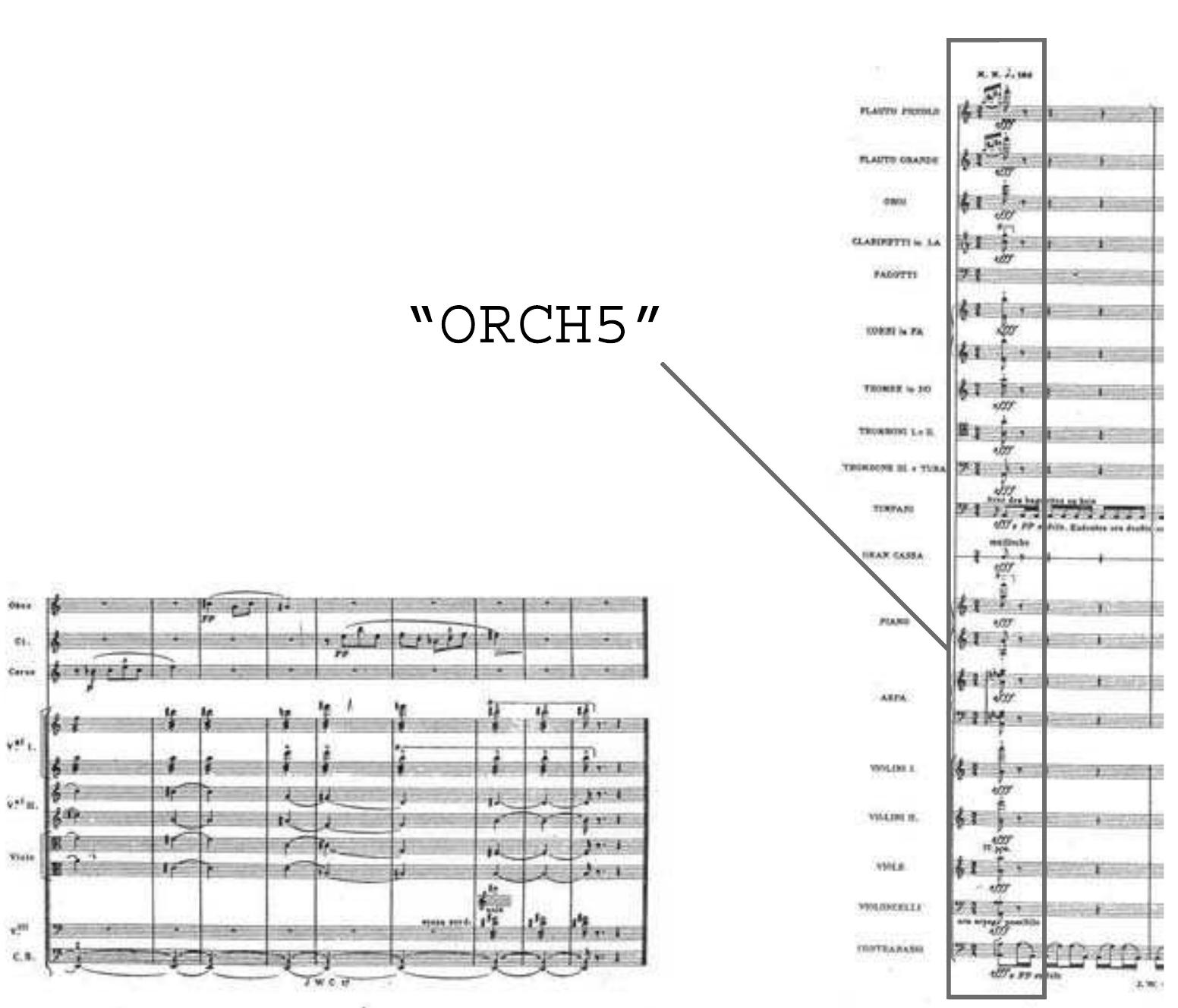
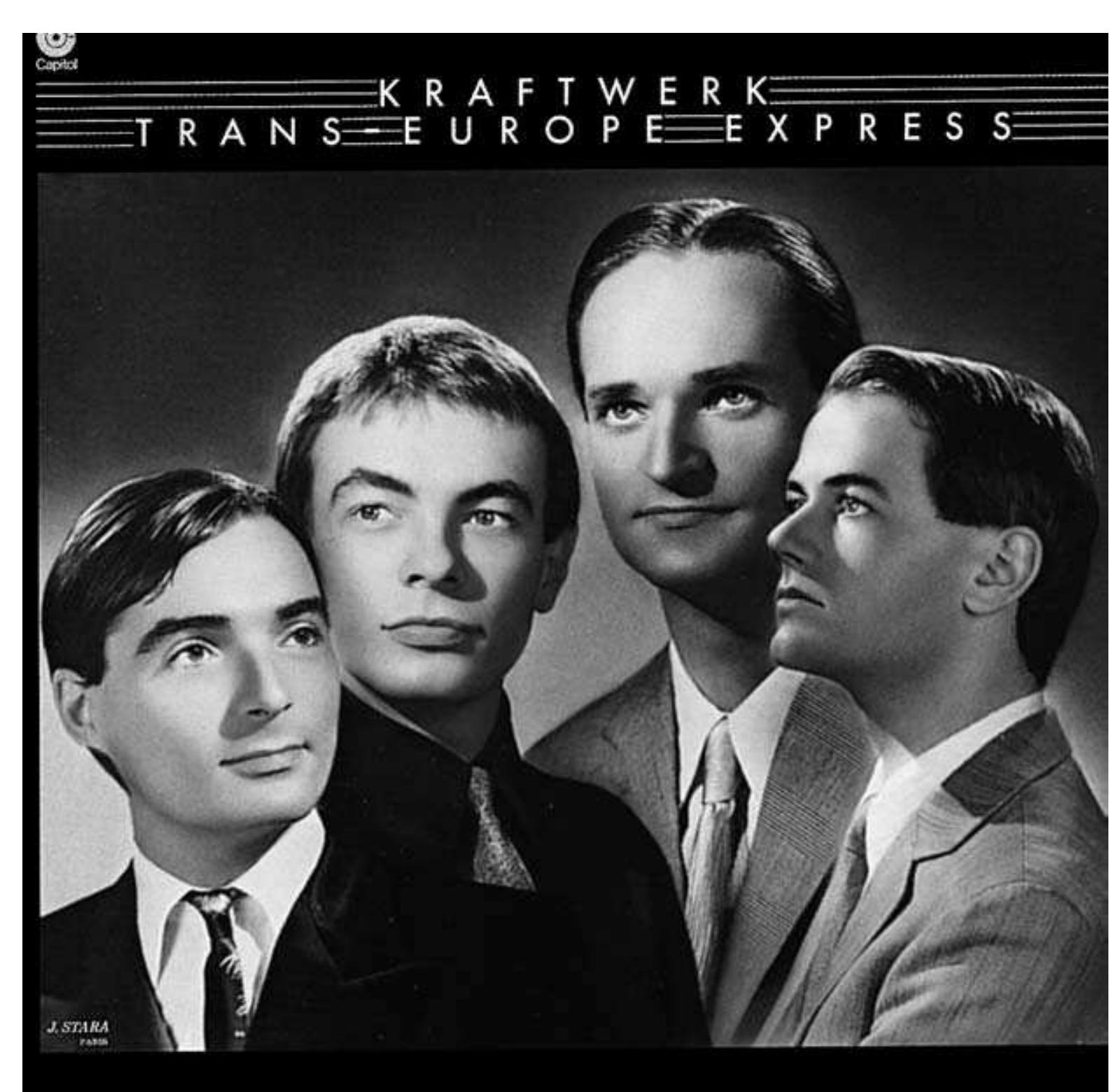
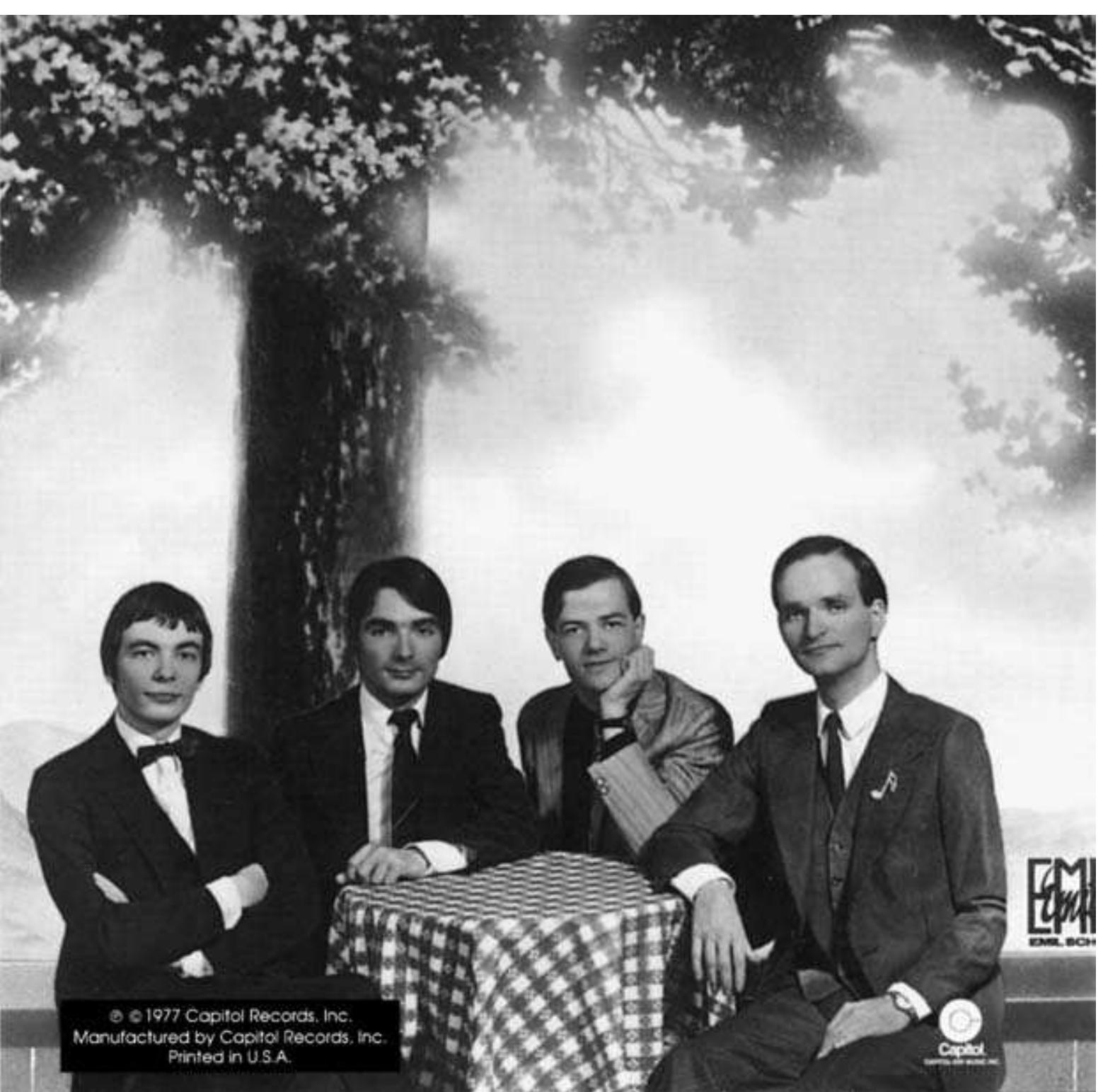
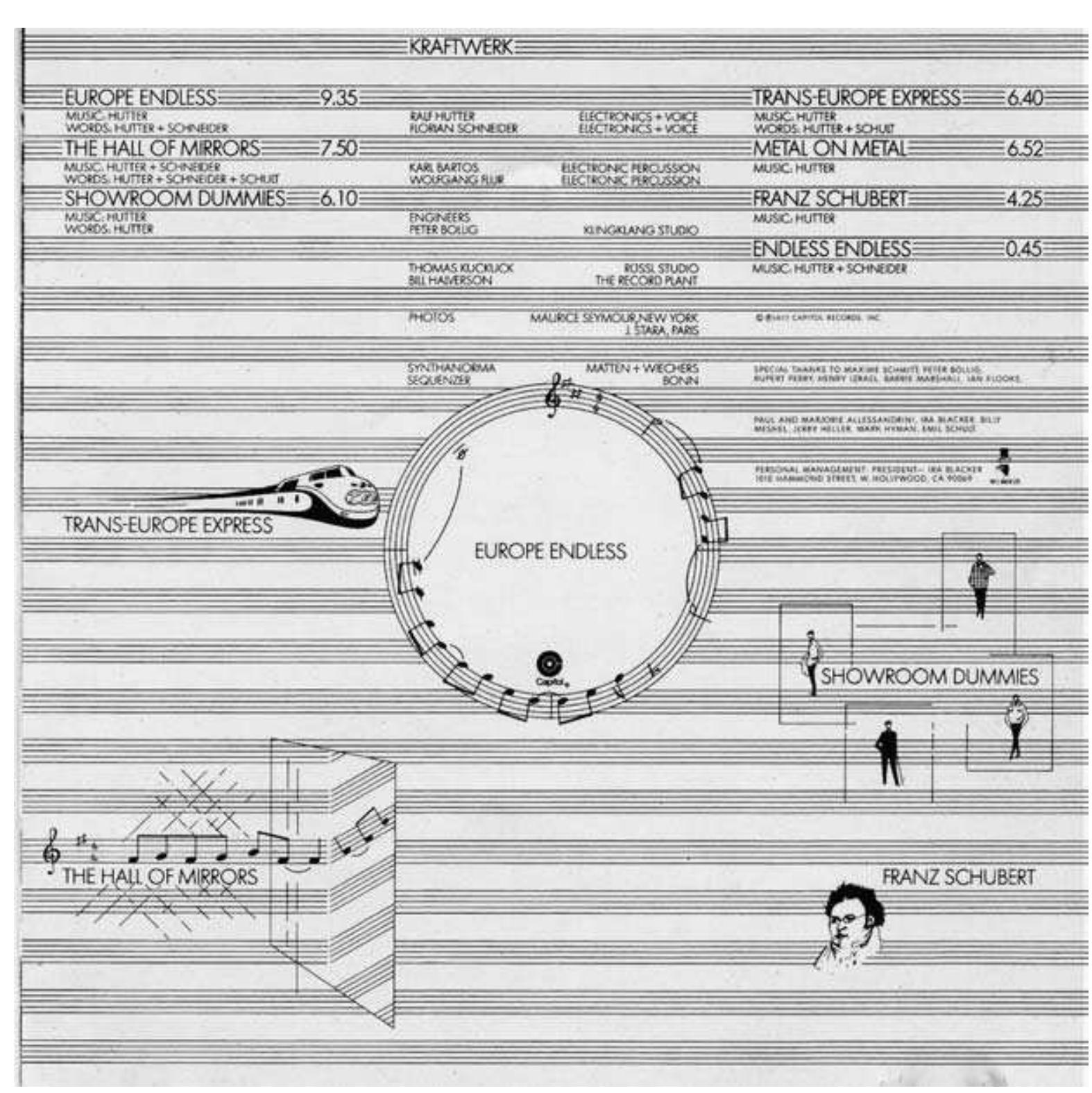
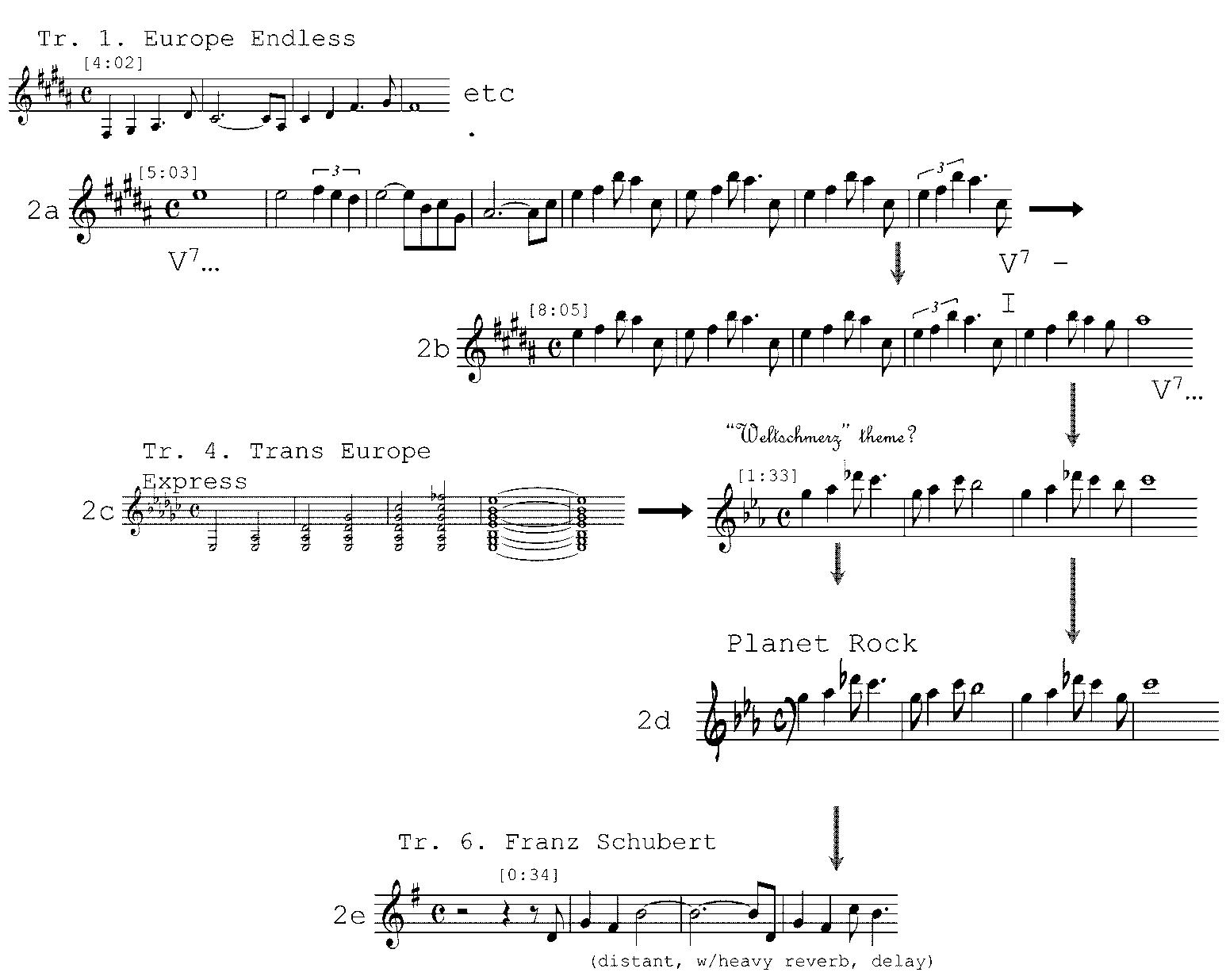
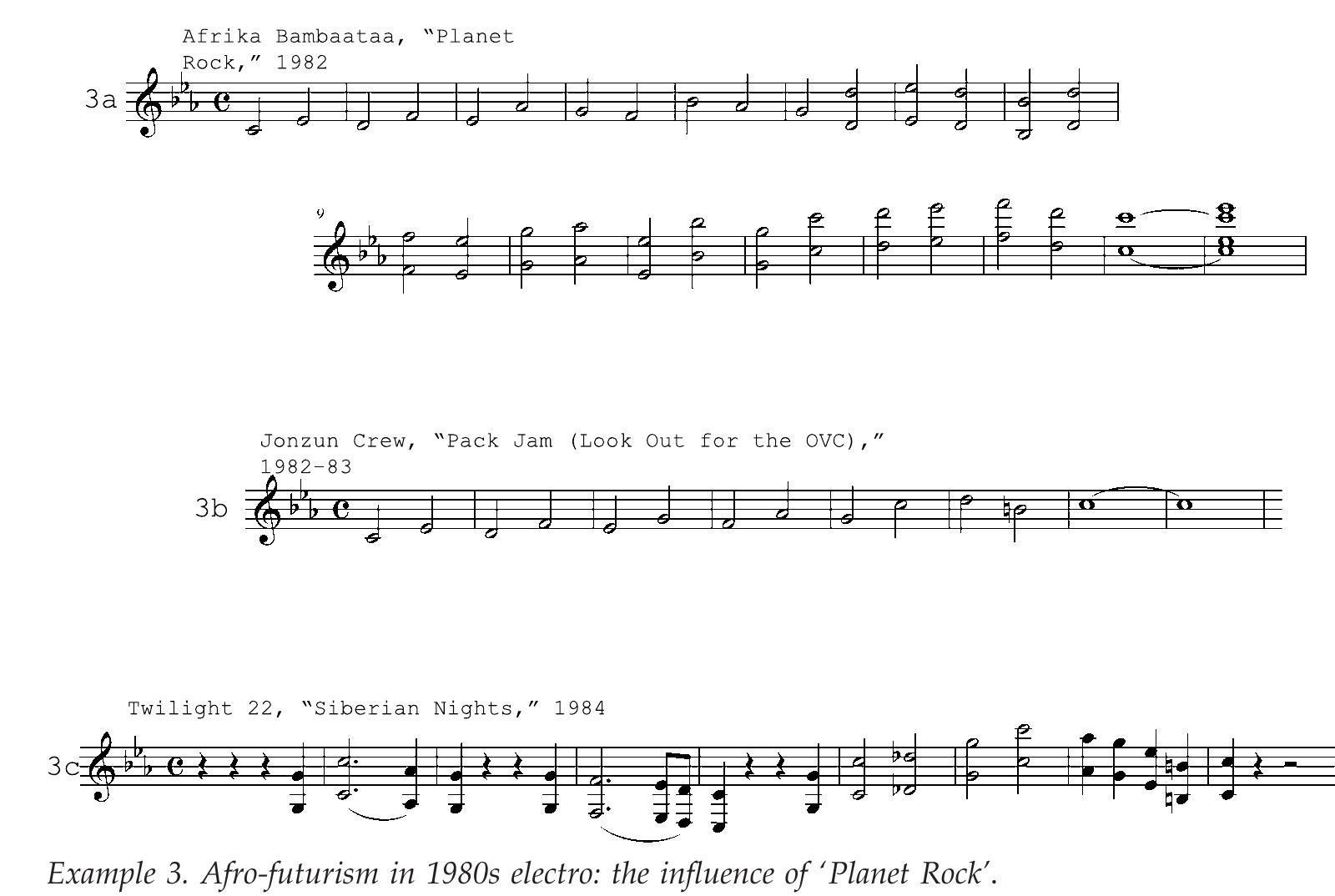
Perhaps the first digital sample to become well known within popular music was actually a piece of Western art music, the fragment of Stravinsky’s Firebird captured within the Fairlight Computer Musical Instrument, the first digital ‘sampler’, as ‘ORCH5’. This loud orchestral attack was made famous by Bronx DJ Afrika Bambaataa, who incorporated the sound into his seminal 1982 dance track, ‘Planet Rock’. Analysis of Kraftwerk’s ‘Trans Europe Express’, also sampled for ‘Planet Rock’, provides an interpretive context for Bambaataa’s use of ORCH5, as well as the hundreds of songs that deliberately sought to copy its sound. Kraftwerk’s concerns about the decadence of European culture and art music were not fully shared by users of ORCH5 in New York City; its sound first became part of an ongoing Afro-futurist musical project, and by 1985 was fully naturalised within the hip-hop world, no more ‘classical’ than the sound of scratching vinyl. To trace the early popular history of ORCH5’s distinctive effect, so crucial for early hip-hop, electro, and Detroit techno, is to begin to tell the post-canonic story of Western art music.
Key takeaways
AI
AI
- ORCH5 symbolizes the intersection of classical music and hip-hop, transforming cultural hierarchies.
- The Fairlight CMI enabled sampling, allowing ORCH5 to gain prominence in early hip-hop and electro.
- Afrika Bambaataa's 'Planet Rock' exemplifies ORCH5's impact, generating six new dance music genres by 1982.
- Stravinsky's 'Firebird' provides a historical backdrop, illustrating the irony of classical music's digital reincarnation.
- The evolution of ORCH5 reflects broader shifts in musical reception and technology in the late 20th century.
References (35)
- Babbitt, M. 1958. 'Who cares if you listen?', High Fidelity, 8/2 (February), pp. 38-40, 126
- Baker, A. 1999. Interview with Bill Brewster and Frank Broughton, 25 January 1999, reproduced in full at: http://www.djhistory.com
- Brewster, B., and Broughton, F. 2000. Last Night a DJ Saved My Life: the History of the Disc Jockey (New York, Grove Press)
- Bussy, P. 1993. Kraftwerk: Man, Machine, and Music (London, SAF Publishing, Ltd)
- Crab, S. 1990-2004. '120 years of electronic music (update v3.0)', http://www.obsolete.com/120 years/ Dery, M. 1994. 'Black to the future', in Flame Wars: The Discourse of Cyberculture, ed. M. Dery (Durham, NC, Duke University Press), pp. 179-222
- Fairlight Instruments Pty Ltd. 1983. Brochure for Fairlight Computer Musical Instrument, online at: http://www.hollowsun.com/vintage/fairlight/brochure.zip
- Fink, R. 1998. 'Elvis Everywhere: musicology and popular music studies at the twilight of the canon', American Music, 16/2, pp. 135-79
- Fricke, J., and Ahearn, C. 2002. Yes Yes Y'all: The Experience Music Project Oral History of Hip-Hop's First Decade (New York, Da Capo)
- Gann, K. 1997. 'Who Killed Classical Music? Forget it, Jake -it's uptown', Village Voice, 52/3 (January 21), p. 60
- Holmes, G. 1996-1999. The Holmes Page: Fairlight CMI, at: http://www.ghservices.com/gregh/fairligh/ Horowitz, J. 1995. The Post-Classical Predicament: Essays on Music and Society (Boston, Northeastern University Press) 2005. Classical Music in America: A History of Its Rise and Fall (New York, Norton) JOBNAME: POP PAGE: 18 SESS: 5 OUTPUT: Wed Jul 20 12:05:04 2005 /hling/journals/cup/051/00055
- Huyssen, A. 1986. After the Great Divide: Modernism, Mass culture, Postmodernism (Bloomington, IN, Indiana University Press)
- Kelley, R.D.G. 2002. Freedom Dreams: The Black Radical Imagination (Boston, Beacon Press)
- Reynolds, S. 1998. Generation Ecstasy: into the World of Techno and Rave Culture (New York, Little, Brown)
- Schloss, J. 2004. Making Beats: the Art of Sample-Based Hip-Hop (Middletown, CN, Wesleyan University Press)
- Steshko, J. 2000. Stravinsky's Firebird: Genesis, Sources, and the Centrality of the 1919 Suite (Ph.D. thesis, UCLA)
- Ziporyn, E. 1998. 'Who listens if you care?', in Strunk's Source Readings in Music History, ed. L. Treitler (New York, Norton), pp. 1,311-18
- Afrika Bambaataa & the Soulsonic Force, 'Planet Rock' (1982), Don't Stop . . . Planet Rock. Tommy Boy TBCD 1052. 1992. Written and produced by Arthur Baker and John Robie
- Afrika Bambaataa, United DJs of America Presents Afrika Bambaataa: Electro Funk Breakdown (mix CD, 1999). DMC DM 40012-2. 1999
- Art of Noise (Anne Dudley, Trevor Horn), 'Close (to the Edit)', (Who's Afraid of) The Art of Noise (1984). Universal CD 53194. 1998
- Kate Bush, 'The Dreaming', The Dreaming (1982). Capitol CD 46361. 1990
- Aaron Carl, 'Down (Electro Mix)' (ca. 1986), Timeless: The Essential Metroplex Classics Mixed by Juan Atkins. Metroplex MCD-01. 2003
- Cybotron (Juan Atkins), 'Clear' (1983), Clear. Fantasy Records FCD 4537-2. 1990
- Funk, Inc., 'Kool is Back' (1972), Funk, Inc. Prestige PRCD 24156-2. 1995
- Grandmaster Flash, 'Flash Tears the Roof Off' (turntable mix), The Official Adventures of Grandmaster Flash. Strut CD 011. 2002
- Jive Rhythm Trax (David Linn), '122 B.P.M.' (1982), Street Jams: Electric Funk, Vol. 2. Rhino R2 70756. 1992
- The Jonzun Crew (Michael Johnson, Maurice Starr), 'Pack Jam (Look Out for the OVC)', originally released on Lost in Space (Tommy Boy TBP-1001, 1983), reissued on Street Jams: Electric Funk, Vol. 2. Rhino R2 70756. 1992
- Knights of the Turntables, 'Techno Scratch' (1984), The Wild Bunch: Story of a Sound System. Strut CD 019. 2002
- Kraftwerk, 'Numbers', Computer World. Elektra/Asylum 9 3549-2. 1981 Trans Europe Express. Capitol CDP 0777. 1977
- Mantronix (Kurtis Khaleel), 'Needle to the Groove', Mantronix: The Album. Warlock 8707. 1985
- Derrick May, 'A Relic Mix', Derrick May: Innovator. Transmat TMT CD 4. 1997 Model 500 (Juan Atkins), 'Off To Battle' (1987), Timeless: The Essential Metroplex Classics Mixed by Juan Atkins. Metroplex MCD-01. 2003
- Planet Patrol, 'Play At Your Own Risk' (1983), Electro Science Mixed by the Freestylers. Urban Theory URBCD 03. 2000. Written and produced by Arthur Baker and John Robie.
- Rhythim Is Rhythim (Derrick May), 'Strings of Life' (original mix, Transmat MS 4, 1987), Derrick May: Innovator. Transmat TMT CD 4. 1997
- Twilight 22 (Gordon Bahary, Joseph Saulter), 'Siberian Nights', originally released on Twilight 22 (Vanguard VSD-79452, 1984), reissued on Street Jams: Electric Funk, Vol. 2. Rhino R2 70756. 1992
- David Vorhaus et al., 'Fairlight IIx Sample Library, Disc 17', Pro-Rec Audio Sampling CD. 2003
- Yes, 'Owner of a Lonely Heart', 90125. Atlantic CD 90125. 1983
FAQs
AI
How does ORCH5 reflect the collapse of the classical music canon?
The analysis indicates that ORCH5 serves as a sonic relic embodying the transition from classical music to hip-hop, representing a musical 'ghost' influenced by historical shifts in cultural perception since the late 20th century.
What role did the Fairlight CMI play in sampling classical music?
The Fairlight CMI facilitated digital sampling, allowing users like Peter Vogel and Kim Ryrie to creatively repurpose classical sounds, exemplified by the ORCH5 sample derived from Stravinsky's 'Firebird'.
What implications does ORCH5's adoption in hip-hop have for music theory?
The adoption of ORCH5 in hip-hop demonstrates a pragmatic recontextualization of classical elements, altering previous notions of musical lineage and originality by merging diverse genres into a cohesive new form.
How did Stravinsky's perceptions influence the sampling of his work?
Stravinsky's disdain for 'The Firebird' shaped the irony surrounding ORCH5, which encapsulates his modernist concerns, as the sample represents a significant shift in its intended cultural significance over time.
What significance does the 'minor triad' present in early techno music?
The 'minor triad' became a foundation in early techno, echoing elements found in ORCH5, thereby linking the aesthetic of European classical influences to the emerging underground rhythms of Detroit techno.
Robert Fink