Culture

Culture

The good, the bad and the ugly in books, exhibitions, cinema, TV, dance, music, podcasts and theatre.

Derek Jacobi on playing Lucian Freud

Arts feature

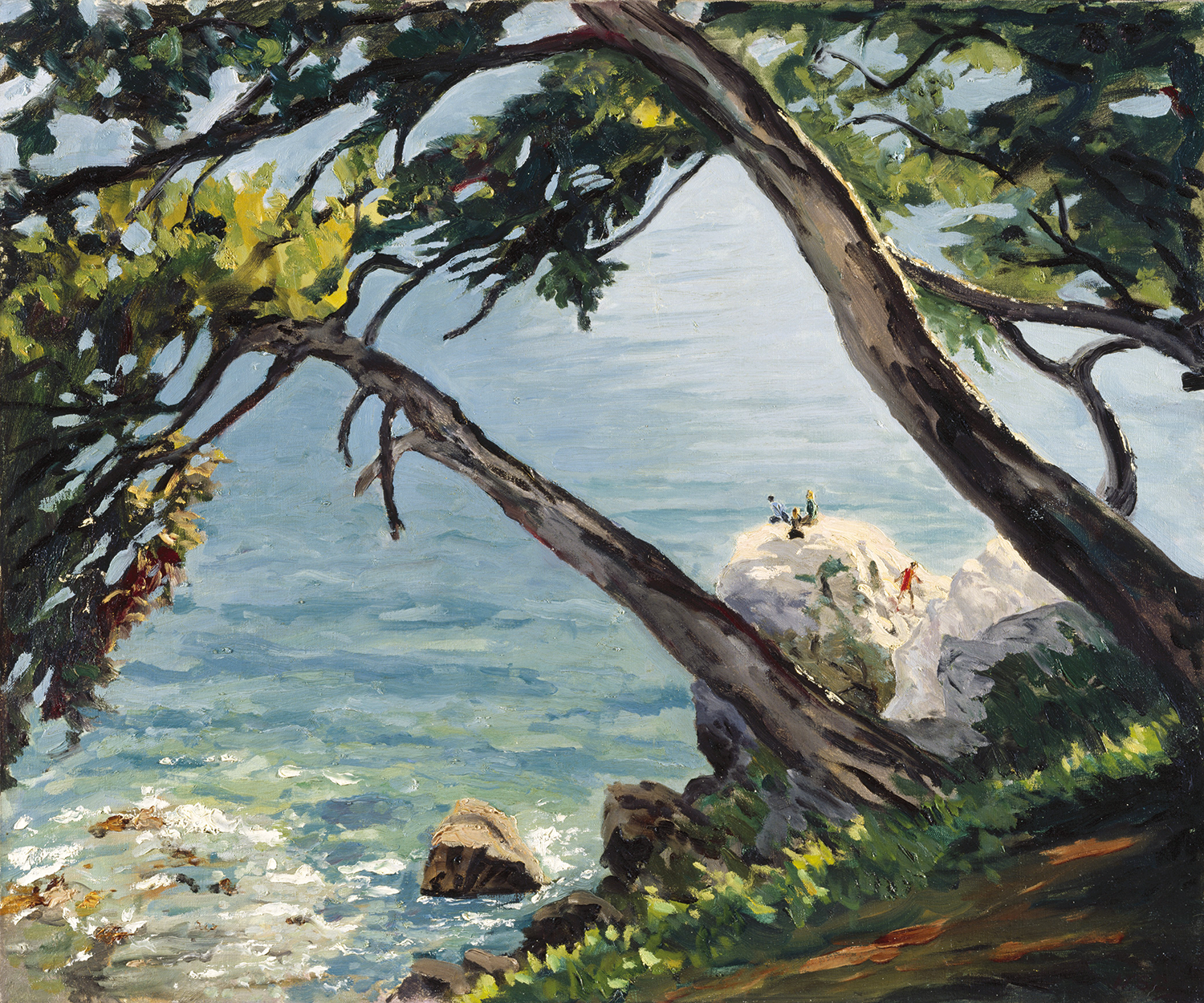
Lucian Freud almost had a second career in the cinema. He acted as an extra in a couple of films during the early 1940s; the only one in which he made the final cut was a farce starring the ukulele-playing comedian George Formby in which his 19-year-old face can be seen peering out of the background in one scene. Years later, Lucian claimed, John Huston asked him if he’d like to play the part of his grandfather Sigmund in a biographical screen drama from 1962 entitled Freud: The Secret Passion (which had, at one point, a script by Jean-Paul Sartre). Eventually Montgomery Clift was cast instead, which was just as well because Freud was definitely an observer rather than a performer.
I’m done with Rivals

Television

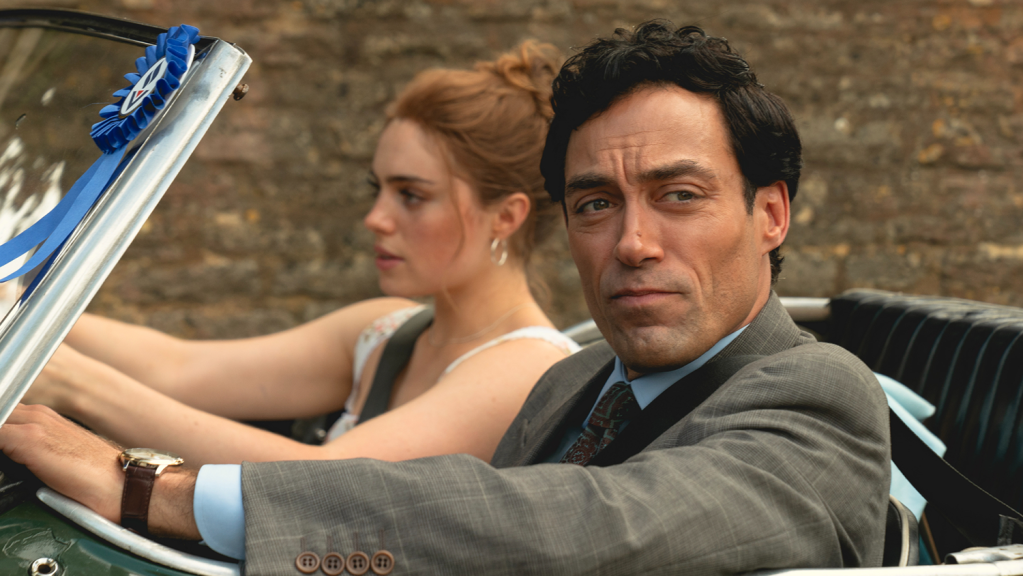
Everybody has been raving about Legends, the Netflix series about undercover customs officers in the 1990s busting a heroin ring. But even though it’s ‘based on a true story’, there are times when it feels more like a histrionically implausible, over-reverential recruitment drive for HM Customs and Excise. ‘Thought they were just those men in white shirts embarrassing you at the airport by exposing the stash of cheap baccy hidden in your holiday underwear? Think again!’, you can imagine the tagline running. The model here, of course, would be Top Gun – the 1986 movie, heavily supported by the US military, which supposedly caused the number of men applying to become US Navy fighter pilots to increase by 500 per cent (a figure that’s since been debunked).

Why is this Tudor drama full of swearing?

Theatre

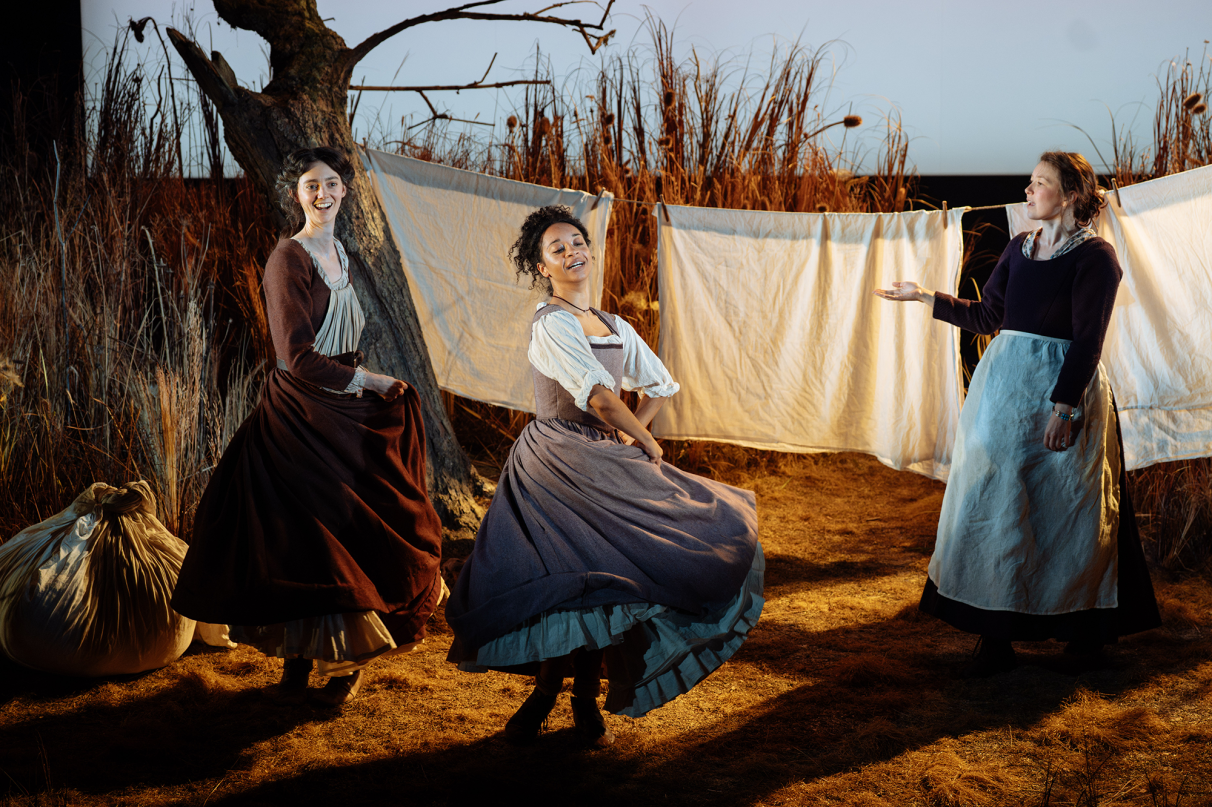
1536, by Ava Pickett, is set in a wheatfield near Colchester during the final months of Anne Boleyn’s life. Three peasant women, Jane, Mariella and Anna, meet to discuss the latest news as it trickles in from London. When Anne is imprisoned in the Tower, they try to imagine her state of mind. ‘Terrified,’ says Mariella. ‘Furious,’ says Anna. ‘Starving,’ says Jane. After her execution, Jane shrugs, ‘She deserved it.’ The others are more sympathetic but their commentary is hard to care about because they can’t influence the events they’re discussing. Nor does Anne’s experience affect their lives in any way so their chitchat is narratively pointless. They’re far more interested in two local lads, William and Richard, who represent the extremes of male behaviour.

Joy and melancholy from Tame Impala

Pop

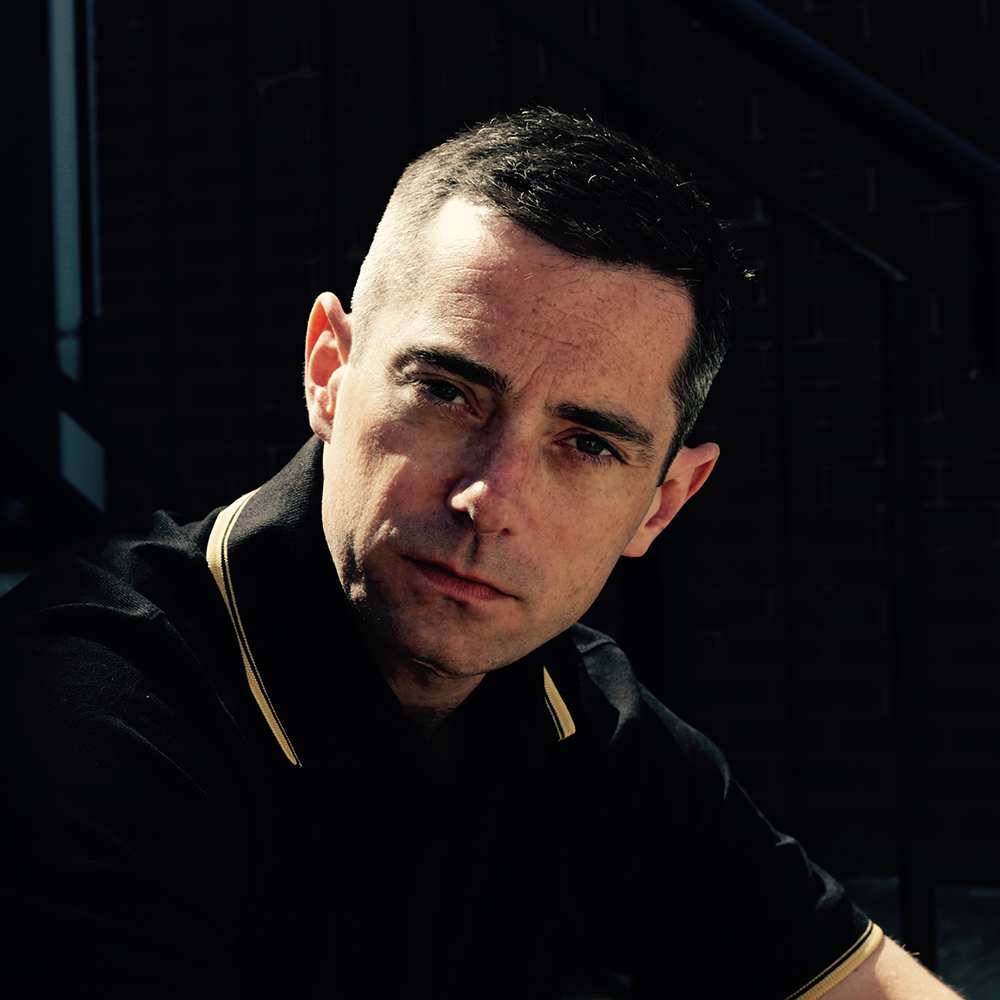
About 15 years ago, I spoke to a relatively unknown neo-psychedelic musician from Western Australia called Kevin Parker. It was shortly before the release of Lonerism, the second album by his one-man-band bedroom project, Tame Impala. Their previous album, Innerspeaker, had been acclaimed in Australia but had made relatively few inroads anywhere else. Parker seemed sanguine about it all. ‘In Perth being a muso is part of a whole lifestyle,’ he told me. ‘It’s a symptom of a directionless existence.’ Lonerism and its follow-up, Currents, shifted the coordinates. Parker’s (clearly very ambitious) dedication to turning an apparent lack of focus into genre-busting psych-rock grooves and sugar-sweet pop ensured that Tame Impala have become a very big deal indeed.

What have they done to Tom & Jerry?

Cinema

Time was you knew where you were with Tom and Jerry. He chases the mouse; catches the mouse; the mouse gets away; Tom is flattened, gets up dazed but determined; and then it’s back to the chase. The tone changed over time – Tom was originally more scary than he became later – but essentially the fun was in the rivalry that would never cease; the plot’s piquancy was that of David and Goliath, the little mouse always getting the better of the big cat. I can only hope the Chinese audience buys it because I couldn’t But the old Hanna-Barbera scenario that began in 1940 has evolved and the franchise has passed into new hands.

The Venice Biennale was just that bit worse than usual

Exhibitions

The 61st Venice Biennale arrived freighted with portent. To cut a long story short: Russia and Israel were invited to exhibit, and the prize jurors resigned in protest. Then, on preview day, the city was hit by a storm of biblical force. I sat in the Stansted Wetherspoons for hours, oblivious to the fact that the Ryanair ahead of mine was taking a pummelling that ultimately landed it on the wrong side of the Adriatic. ‘It was terrifying,’ a journalist colleague recounted. ‘And apparently, Bjork was on board, too.’ You’ll leave feeling that you’ve spent five hours trapped in the basement of Italy’s most patronising headshop The bad juju had set in last May when Koyo Kouoh, the programme’s curator, dropped dead aged 57.

Another heroic freethinker is wiped from Russian history

More from Books

It sometimes seems that those people chosen to be subjects for biographies are drawn from a strictly limited cast. Every few years, another book about Tolstoy, Dickens or some other great literary figure comes along to make library shelves groan further. At a recent talk given for a new biography of George Orwell, I asked the author why he had felt a need to add to the pile, given the plethora of perfectly good existing ones. ‘Because OUP commissioned me,’ was the answer. I didn’t buy the book. So how refreshing that Miranda Seymour should choose an absolute unknown to write about, whose life was genuinely interesting and surprising.

Macbeth in Swahili? There might even be improvements

More from Books

Let’s start with some low-hanging fruit. When, in Henry V, the king inspires his army before Agincourt, the Danish translator – here, Niels Brunse – can hope for a relatively easy win: ‘Vi fa, vi muntre fa, vi flok af brodre.’ Or, in the classic Schlegel-Tieck version of Macbeth, now rooted in German literature, the cursed usurper finds that tomorrow and tomorrow ‘Kriecht so mit kleinem Schritt von Tag zu Tag’. Linguistic kinship, comparable speech rhythms, shared verse forms: sometimes the happy not-so-few, the global band of brothers (and sisters) who translate Shakespeare out of English, face a stiff but still feasible task. Even in familiar languages, though, pitfalls await in every line. Surely, Richard III’s opening soliloquy will slip smoothly into French?

The punishing gluttony of Georgian high living

More from Books

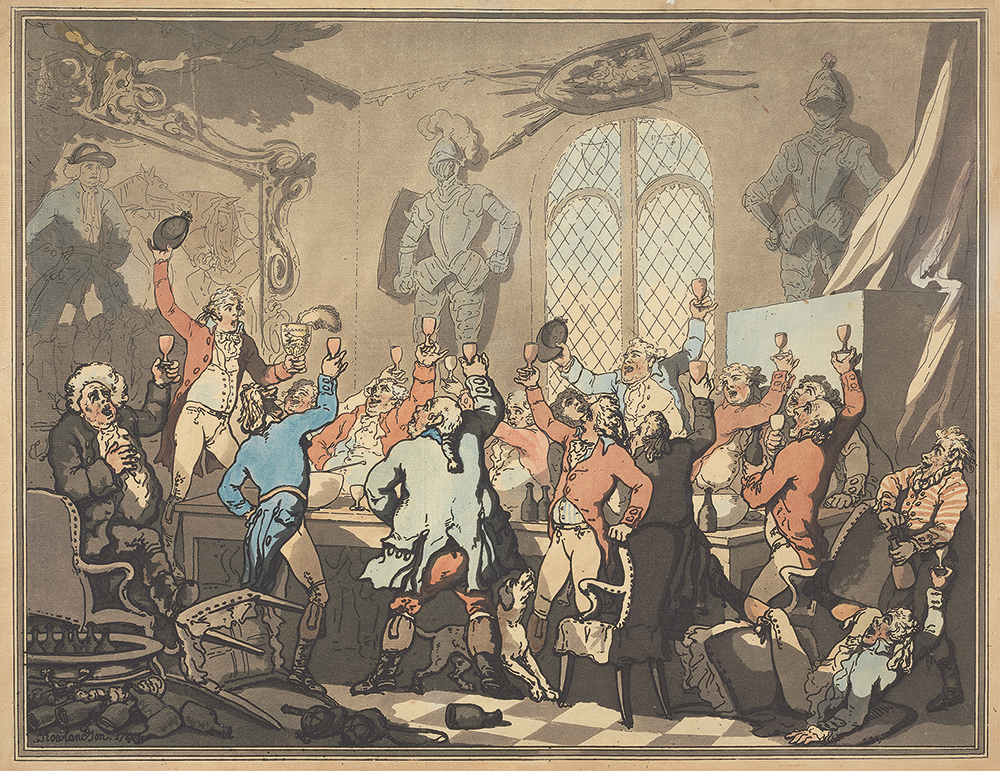
Georgian dining, if you were wealthy, was an incredible experience. Everything, from the location to the furniture, was carefully planned and meticulously executed to really hammer home the taste, status and impeccable education of the host. This was of course regardless of the actual likings, wealth and intellectual leanings of the party-giver. One of the delights of Amy Boyington’s book is the descriptions of the many, frequently ghastly, aristocrats whose country pads feature. There are murderers, adulterers, gluttons and spendthrifts. They did eat well, though. The Country House Dining Room is a Yale publication and, as such, can be expected to err toward the academic and the artistic.

Highland noir: The Grey Coast; The Serpent; Blood Hunt, by Neil M. Gunn, reviewed

More from Books

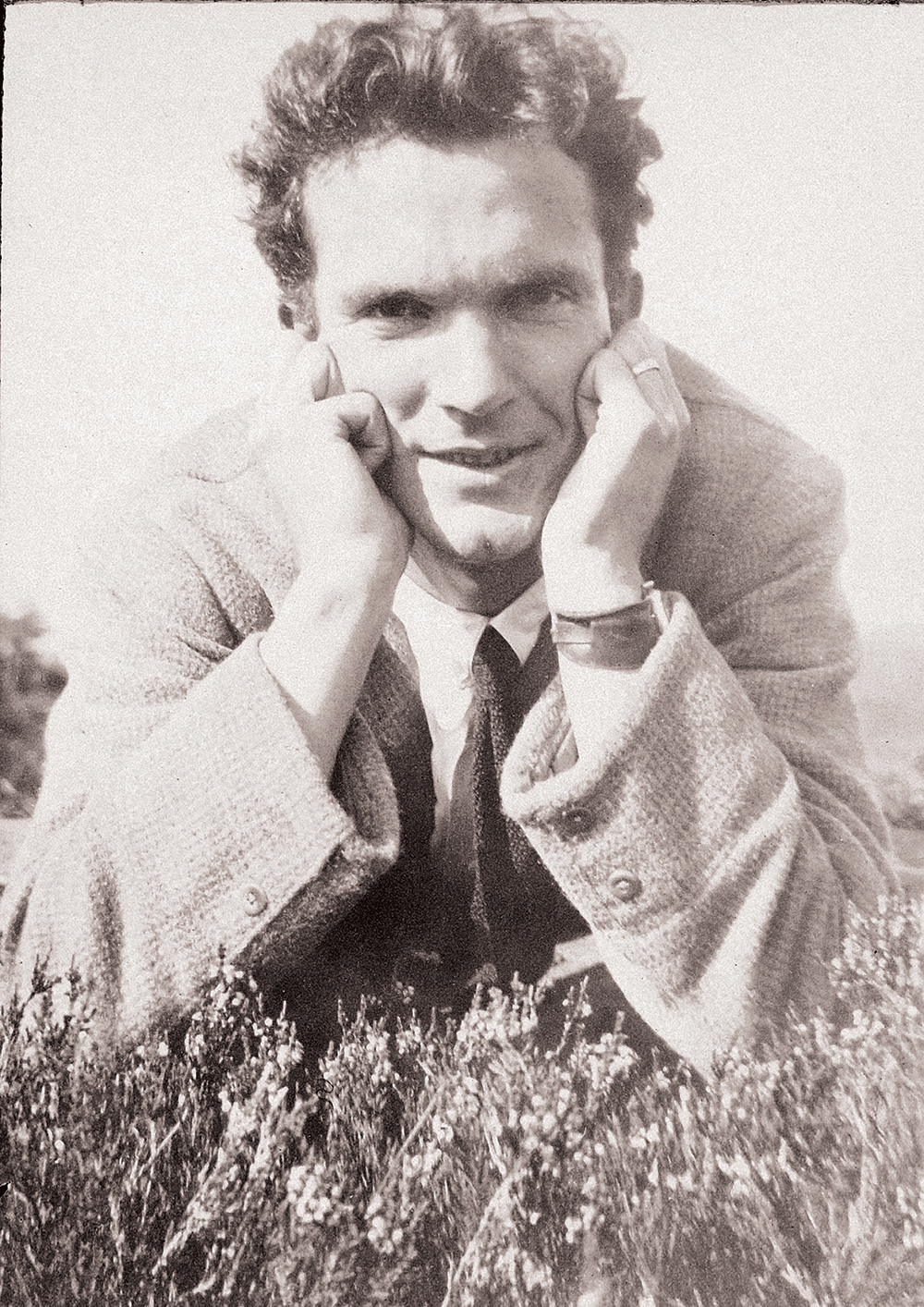
Before he died in 1973 at the age of 81, Neil Gunn was arguably Scotland’s greatest living novelist, a leading figure in its literary Renaissance and the author of 28 books (most famously his bestselling 1941 maritime epic The Silver Darlings). Now, to mark the centenary of his first novel, The Grey Coast, the independent Sutherland-based publisher North House Press is reissuing three of his works in nice clothbound editions. Taken together, they give an impression of his versatility and shortcomings.

A weary trek in the steps of Garibaldi and his Redshirts

More from Books

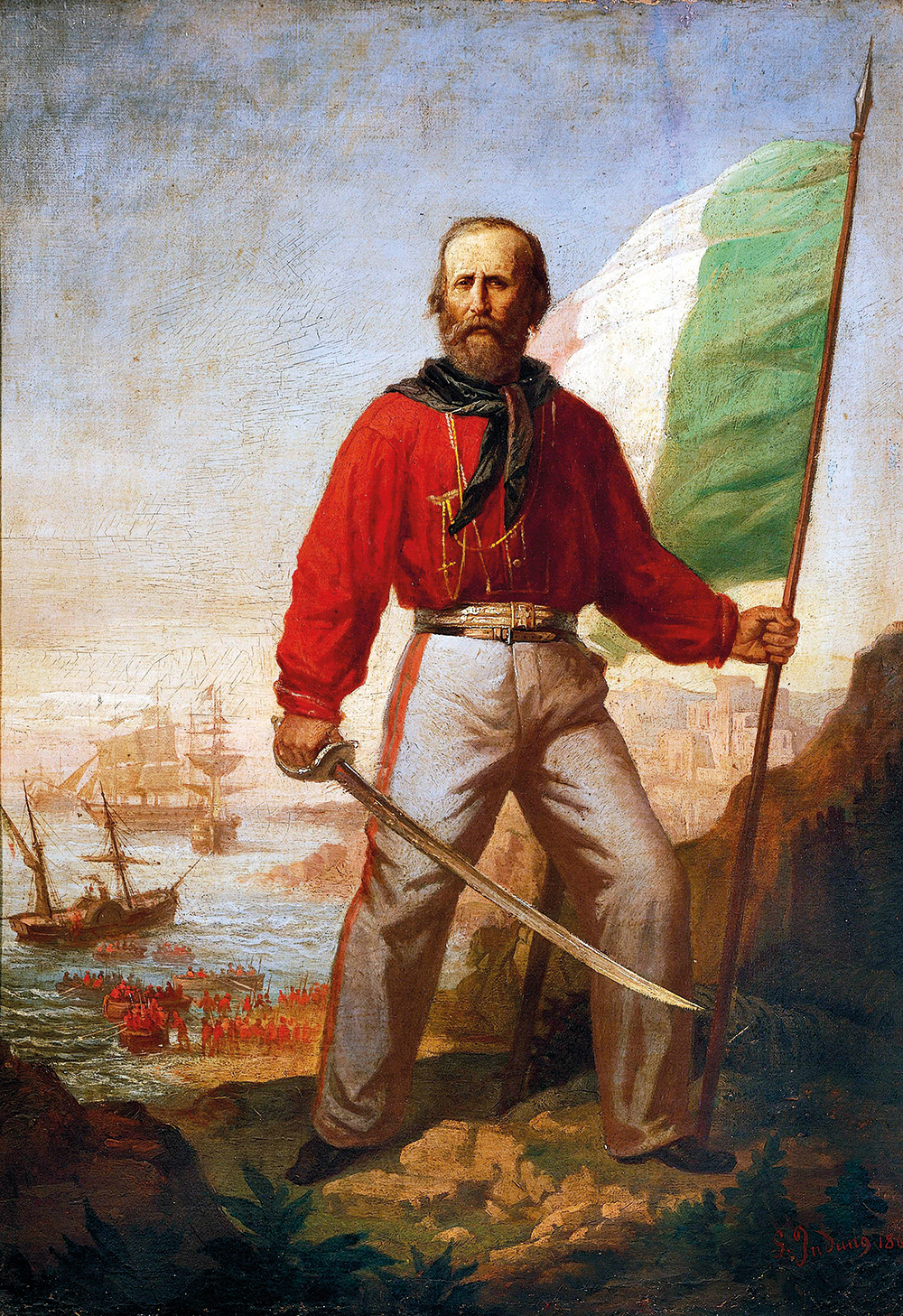
By the time he died in 1882 at the age of 74, Giuseppe Garibaldi had freed the Italian peninsula from its abhorred Habsburg and Bourbon rulers and united all Italy under the liberally inclined House of Savoy. With his whiskery good looks and wardrobe of red blouses, he was the ideal vehicle for romantic notions of free nationality. When he visited London in 1864, crowds flocked to greet the Risorgimento liberator as he got off the train at Nine Elms. A new football club, Nottingham Forest, adopted Garibaldi red as its colour and a ‘squashed fly’ biscuit was named after him. In Queen Victoria’s estimation, though, Garibaldi was an outlaw figure who threatened to subvert the established order. ‘Garibaldi – thank God – is gone!’ she declared on his departure.

It’s grim up north: Malc’s Boy, by Shaun Wilson, reviewed

More from Books

Shaun Wilson’s latest novel gets going with a childhood recalled like James Joyce’s Portrait of the Artist as a Young Man, and it is one marred by violence. Oh here we go again, I thought, as the young Shaun is thumped repeatedly by his enraged father Malc. Every novel I review these days seems to be about a working-class lad with a violent father from, say, north of Birmingham. I braced myself and thought of the immortal Bacon parents in the comic magazine Viz whose main purpose in life is to thrash their young son half to death in every issue. (Auberon Waugh, late of this parish, once said that it was impossible fully to understand Britain without reading Viz, and he was right.

What does it say about Britain that the Palace of Westminster is crumbling?

More from Books

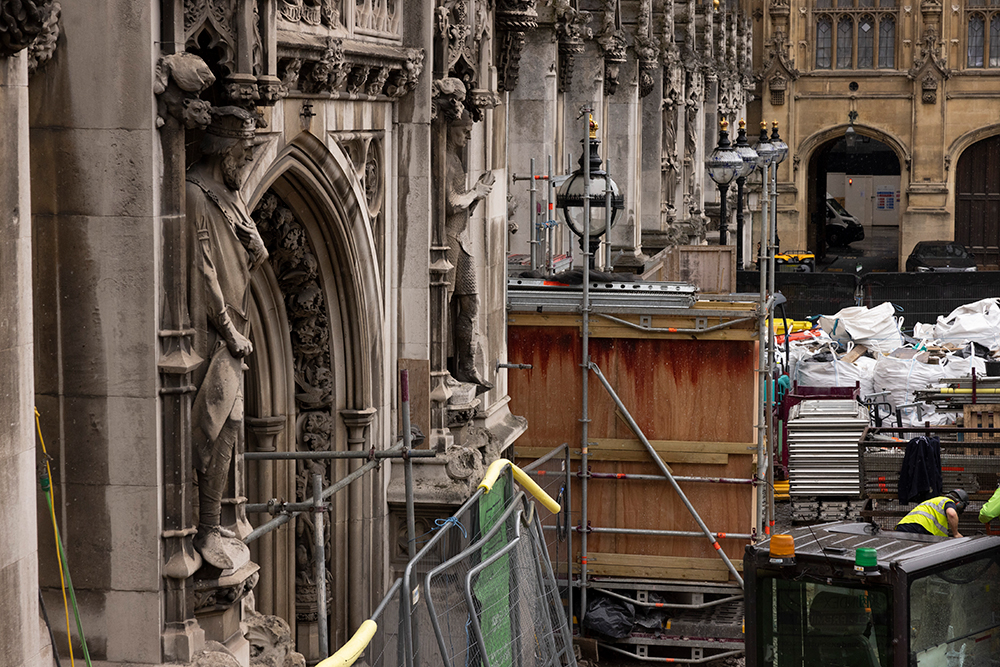
Many political scientists are oddly uninterested in politics. Their fascination is at a level of theory; but the means through which decisions are made in practice, through specific conversations and arguments and accommodations between actual people, strike them as so much gossip – or, worse, journalism. Jan-Werner Müller, a professor of politics at Princeton, best known to general readers for his trenchant, well-timed and comfortingly short What Is Populism?, here wanders like a niche flȃneur through the territory in between the personal and the theoretical: the ways in which people and politicians are variously welcomed, channelled, liberated and constrained by their concrete environments.

The global revolution sparked by a vegetarian schoolteacher in Helsinki

More from Books

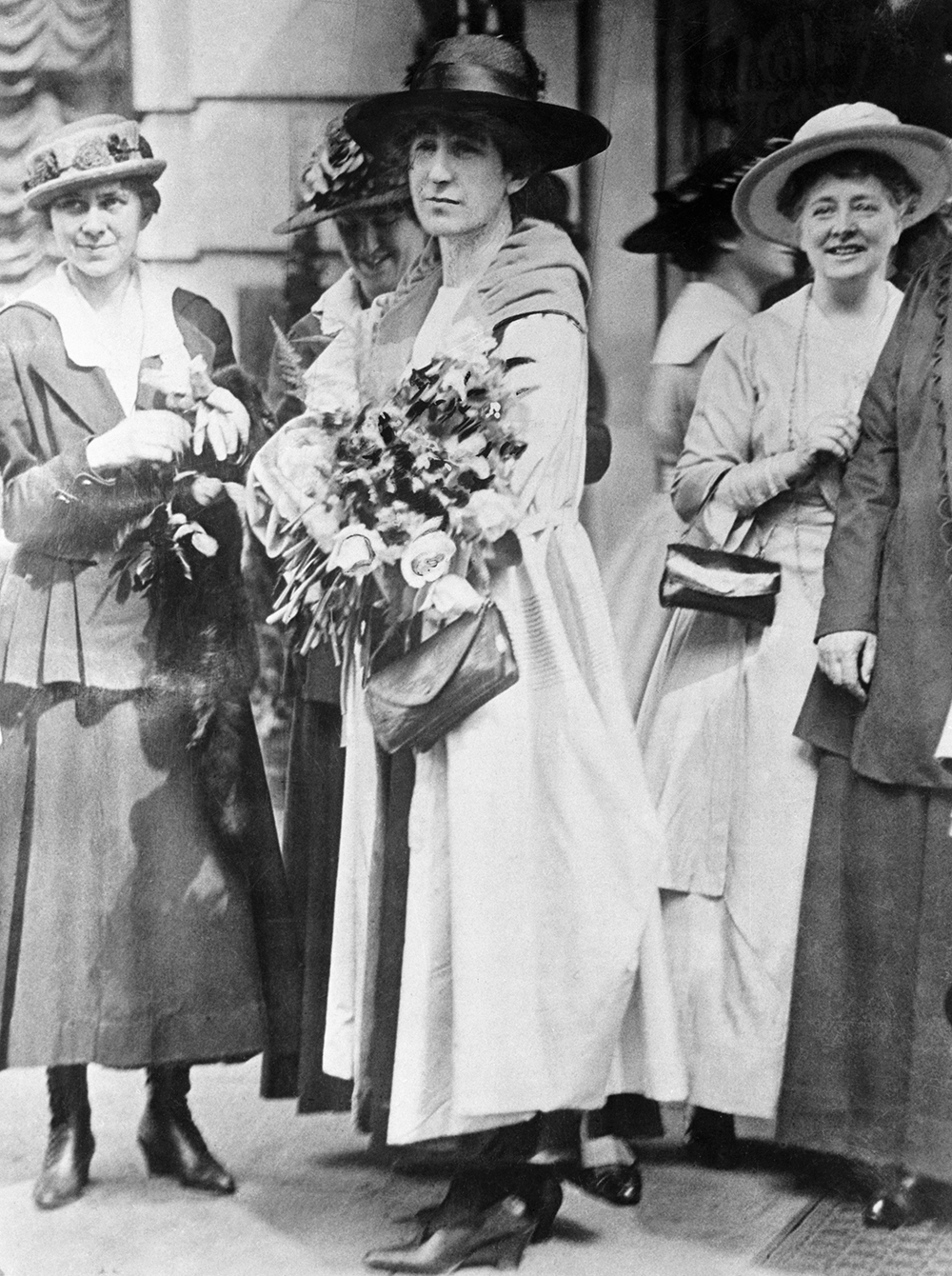
At the turn of the 20th century, no woman was in government anywhere in the world. Change began with Finland in 1907, which elected 19 women to its parliament. Hilda Kakikoski was one of those women. She was a conservative candidate – a nationalist who was also a lesbian and a vegetarian. Paula Bartley’s Trailblazers spans the century, following the story of female politicians as they emerged. From Finland we move to Russia, where the revolution provided opportunities for the likes of the socialist feminist Alexandra Kolontai, the first woman to join a government cabinet and become a global diplomat. Constance Markievicz was the first woman to be elected to the British parliament, during her imprisonment for her role in the Easter Rising, but did not take her seat.

Stay within the lines to realise your full creative energy

More from Books

The title of this book takes the adage about ‘thinking outside the box’ and inverts it. Instead of thinking outside the box, we should think inside the box, David Epstein argues. Which box? How big is this box? Whose box? He discusses these questions as well. The phrase ‘thinking outside the box’ emerges from the nine dots puzzle devised by psychologists before the first world war. There are nine dots on a page, evenly spaced, three on each line. You must connect all nine using four lines without removing your pen from the paper. A common response is to imagine that the dots form a box and to confine your work accordingly. This makes the puzzle impossible to solve; you have to think outside the box. Or not think of a box in the first place.

Was Marcel Duchamp’s notorious ‘Fountain’ even his own work?

More from Books

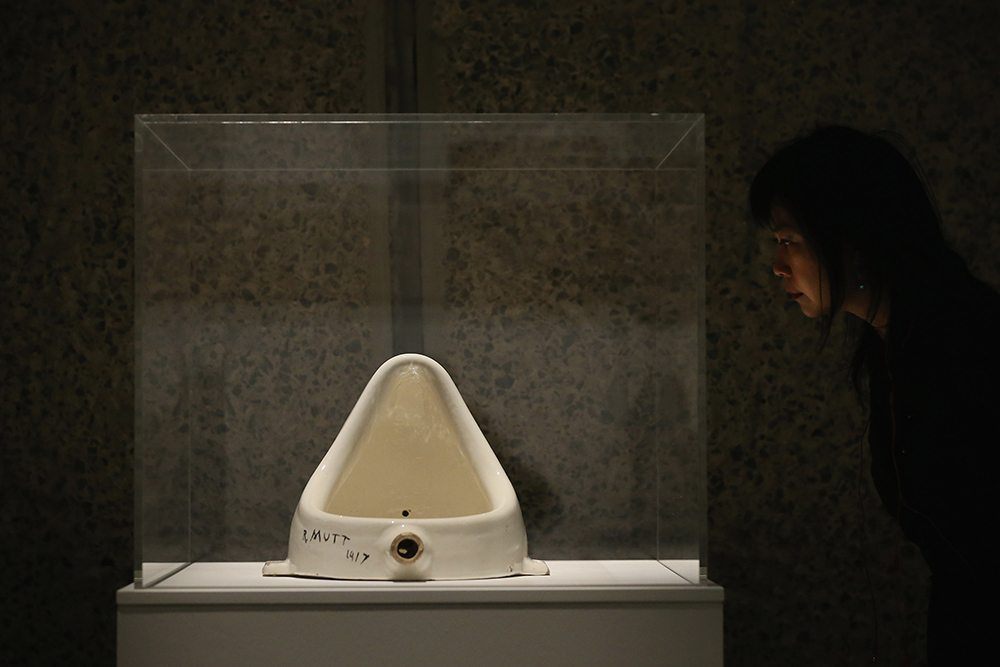
This slim volume has only one fault. It has no illustrations. So you’ll have to do some Googling or visit the current Duchamp exhibition at MoMA (until 22 August) if you want to know what ‘The Bride Stripped Bare by Her Bachelors, Even’ looks like. Otherwise it’s perfect – wittily written and packed with many fascinating characters besides the ever intriguing Marcel Duchamp. He didn’t actually arrive in New York until 1915, but when he did he found himself already famous. His ‘Nude Descending a Staircase, No. 2’ had been included in the 1913 International Exhibition of Modern Art, alongside works by Picasso, Van Gogh, Gauguin, Matisse and Braque, and completely stole the show. Duchamp didn’t even know the painting was being exhibited.

A glimpse of the extremes of Emily Brontë’s imagination

Lead book review

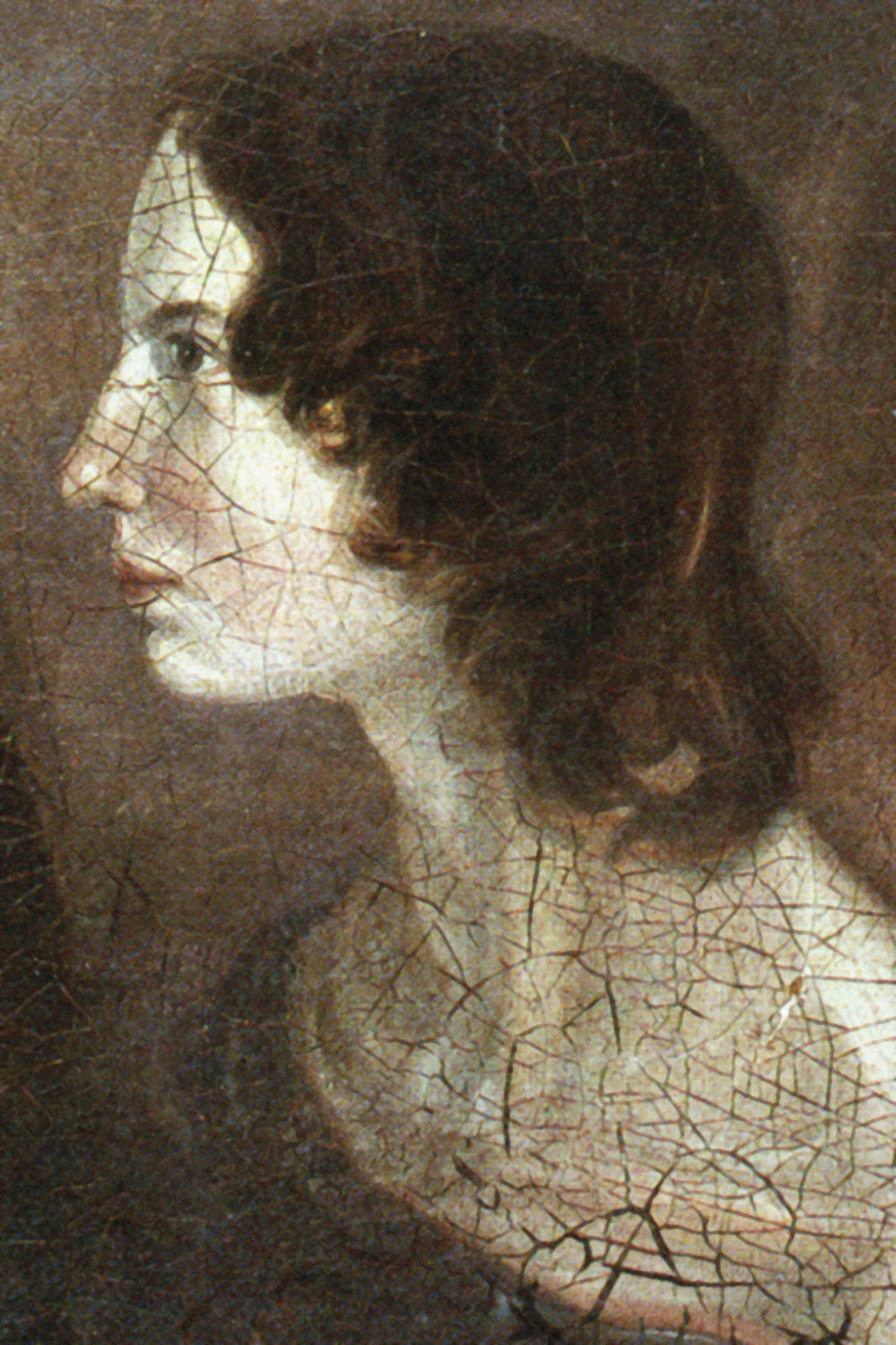
Emily Brontë, who died, aged 30, in 1848, is a source of perennial fascination – and potentially a biographer’s nightmare. Her single novel, Wuthering Heights, has long been recognised as one of the greatest in the English canon, yet it remains a strange anomaly, seemingly unmoored from the wider history of Victorian fiction. Her haunting poems – of which there are 70-odd – can make you catch your breath. Meanwhile, like the ghost of Catherine Earnshaw, the most inscrutable of the Brontë sisters seems to appear only to disappear. This is primarily – but perhaps not entirely – down to the prosaic fact that so few of her personal papers survive, which is not the case with most Victorian writers, including her older sister Charlotte.

Rosalia’s O2 show was a landmark concert

Pop

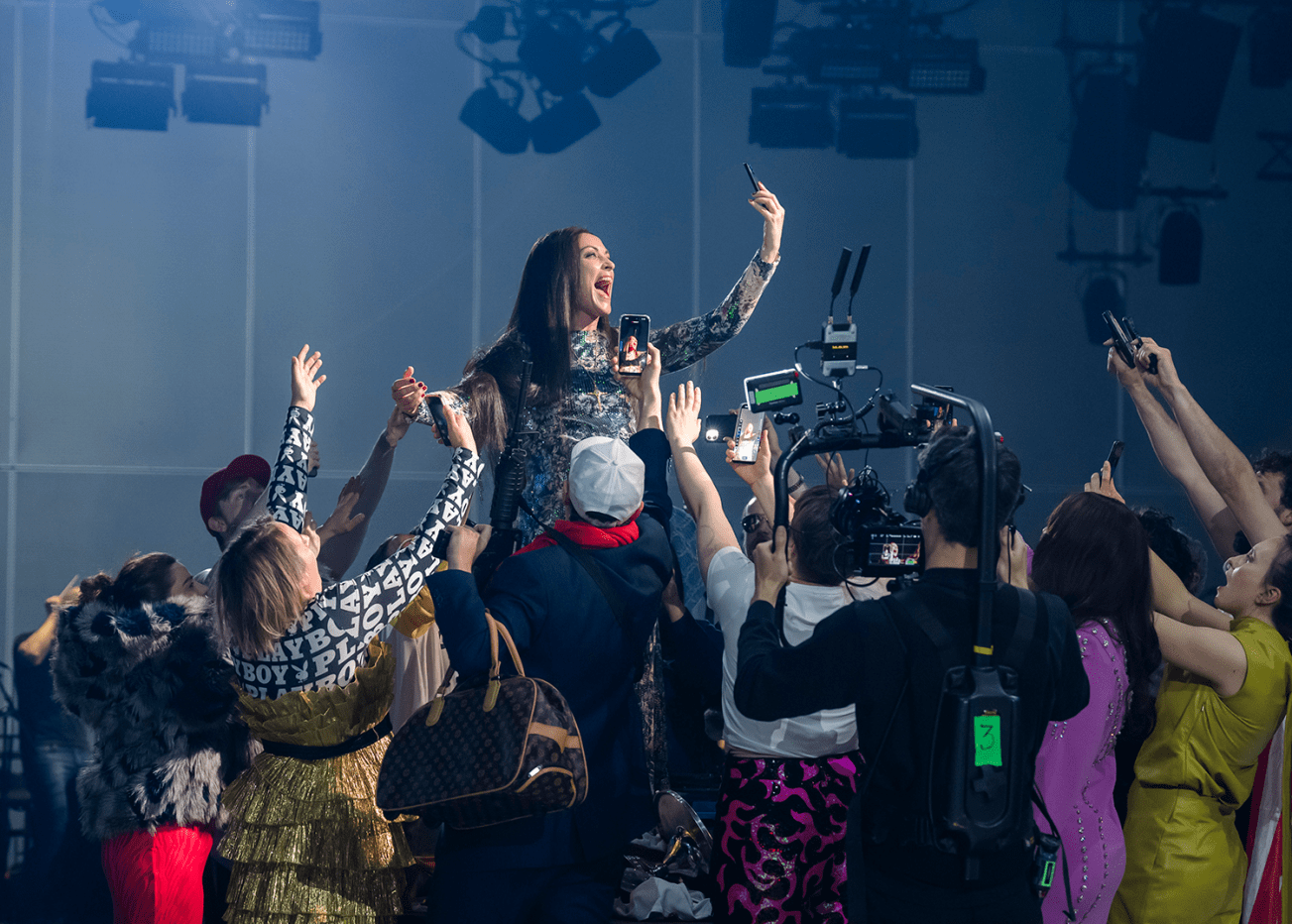
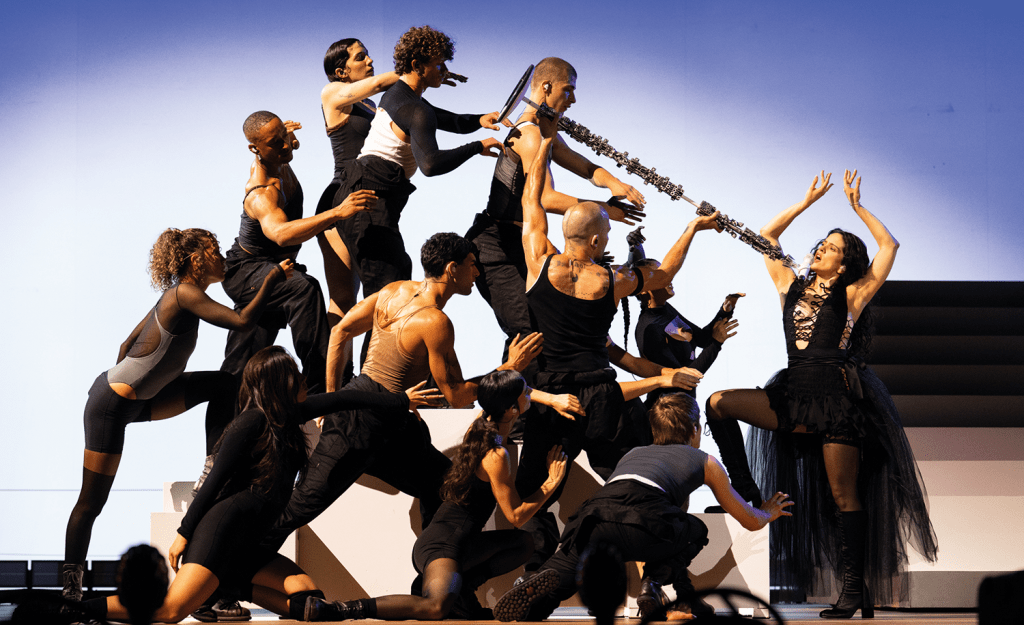
If Olivia Dean is the girl next door, Rosalia is the girl next planet. Their shows in successive weeks at the O2 – Dean had six nights, Rosalia two – were object lessons in presentation. Dean’s gig looked like some high-end light entertainment from the 1970s, Rosalia’s like something the National Theatre might dream up for a new revival of Murder in the Cathedral. Rosalia emerged in 2017 as the apparent saviour of flamenco – though flamenco traditionalists disagreed: she was Catalan, not Andalusian, and she wasn’t even a gypsy. Then across four albums, she travelled so far that it’s hard to categorise her extraordinary latest one, Lux: a heavily orchestrated, intensely dramatic reverie about the lives of assorted recondite saints.

The BBC at its nation-unifying best

Television

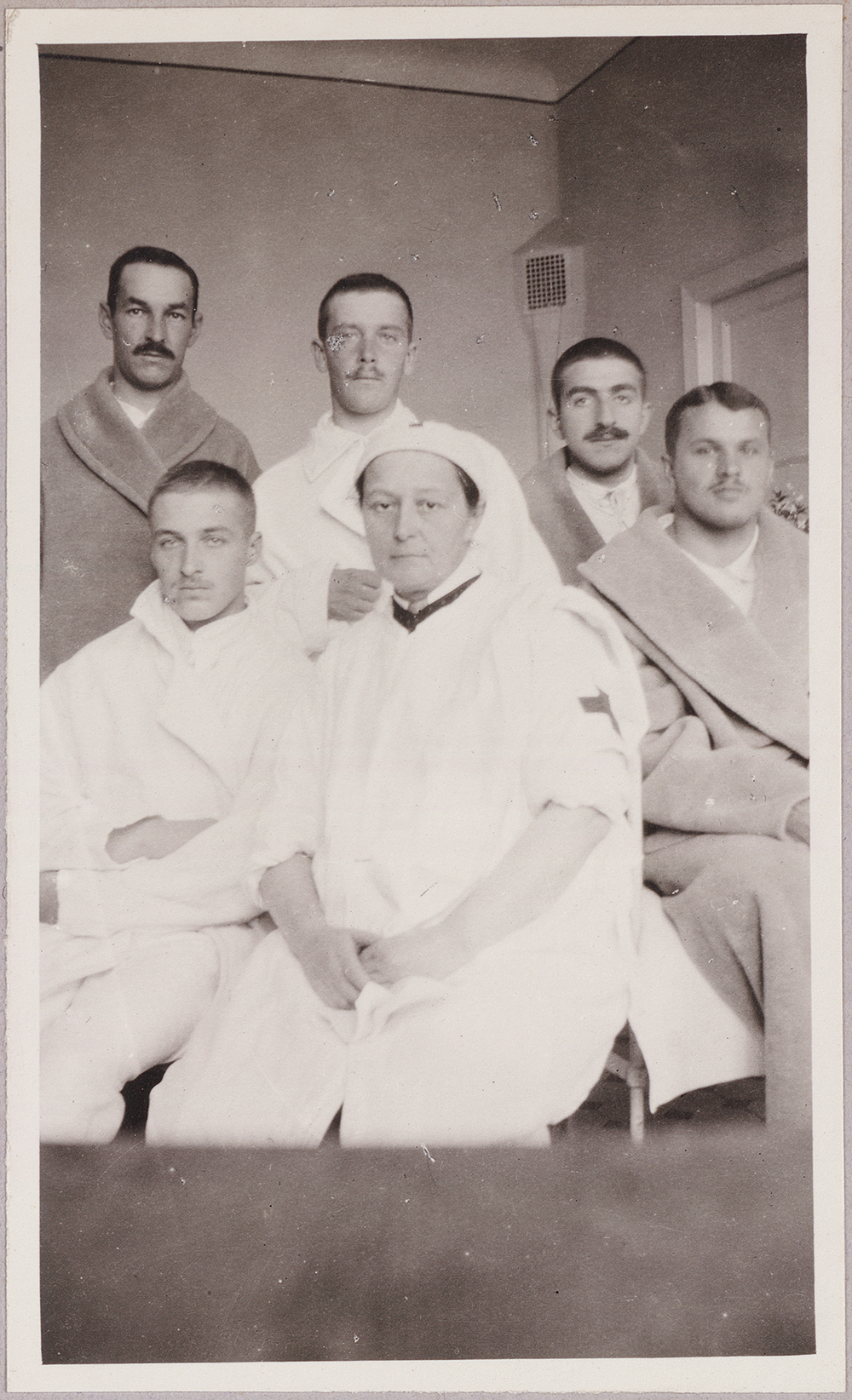
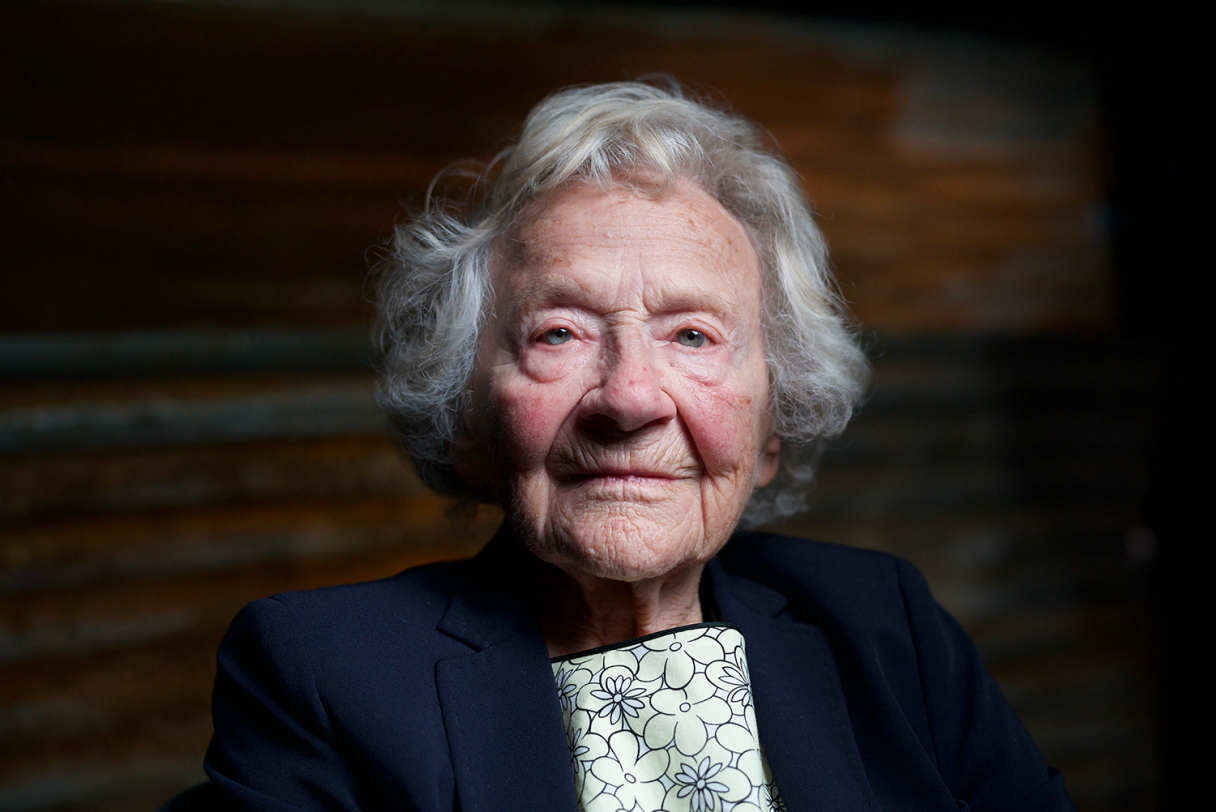
Children of the Blitz began with the surprising news – to me anyway – that while 800,000 British children in places likely to be bombed were evacuated during the war, two million weren’t. The evacuees’ stories have long been a TV staple, but this riveting documentary was the first programme of any kind I can remember about those who stayed at home. The experience was recalled with extraordinary vividness by people mainly in their nineties or beyond, all of whom gave the type of revelatory interview that programme-makers don’t get merely by pointing the camera and asking questions, but through the careful building of wholly justified trust.

​A charmingly bold food podcast

Radio

It takes some gumption to name a podcast History’s Greatest Dishes and proceed to offer episodes on pizza, blancmange, balti, gooseberry fool and Victoria sponge. Where’s the rarebit, the pottage, the pigeon pie? But the boldness of the podcast is one of its charms, and the choice of topics isn’t terribly important. Food historian Annie Gray and podcast host Emily Briffett chew over some fascinating material on each of the dishes they have selected and provoke surprisingly heated debates. Pineapple on pizza ought to be accompanied by Spam instead of ham It was suggested, for example, that pineapple on pizza ought to be accompanied by Spam instead of ham.

A Beatles show without the love

Theatre

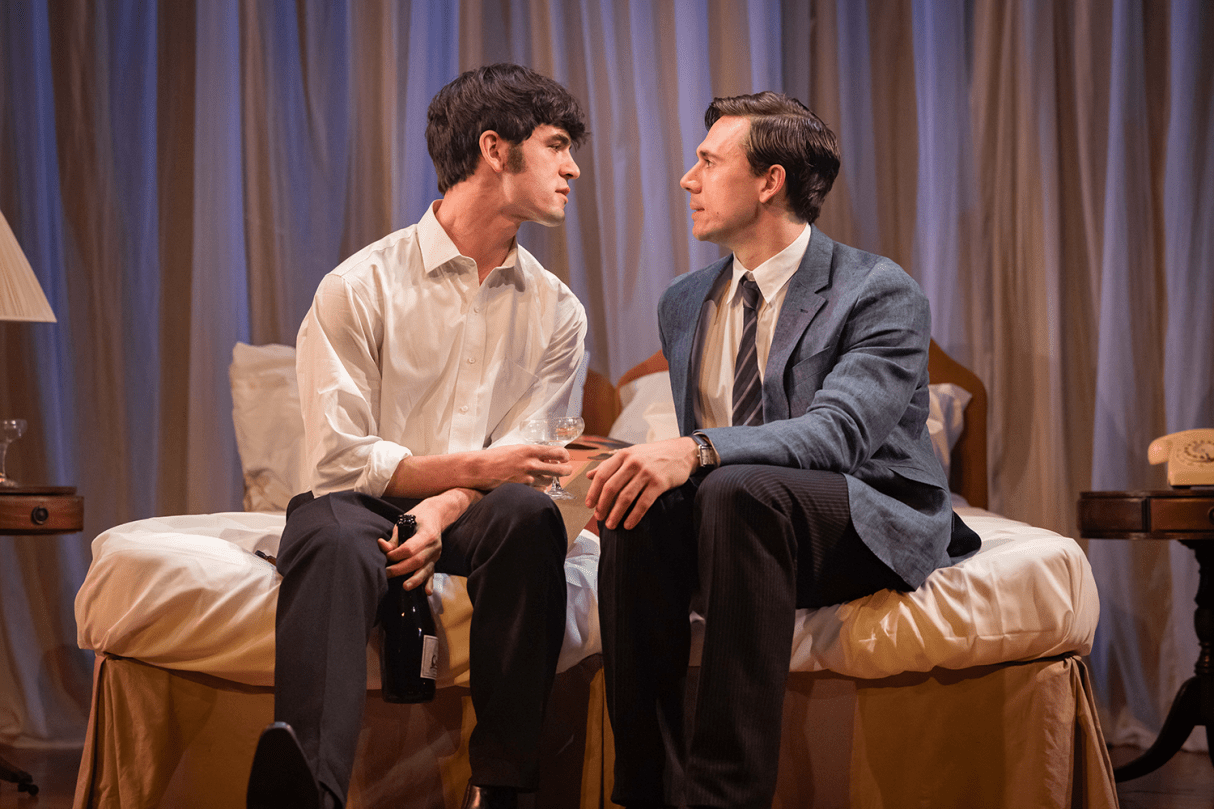
Please Please Me is a play about Brian Epstein whose brief and troubled life remains relatively unknown. Tom Wright’s linear script opens with the teenage Epstein enjoying secret affairs with teddy boys while working at his dad’s record shop on Merseyside. When he spotted the Beatles at the Cavern, he was smitten by their homoerotic energy rather than their music or their potential for making tons of cash. He put them in suits to soften their image while encouraging their talent for witty backchat. ‘A little pinch of naughty but family friendly,’ was his branding message. But he lacked artistic vision and he cut a lousy deal to sell plastic Beatles dolls which cost the band a fortune and angered Paul McCartney.

The Christophers is delicious

Cinema

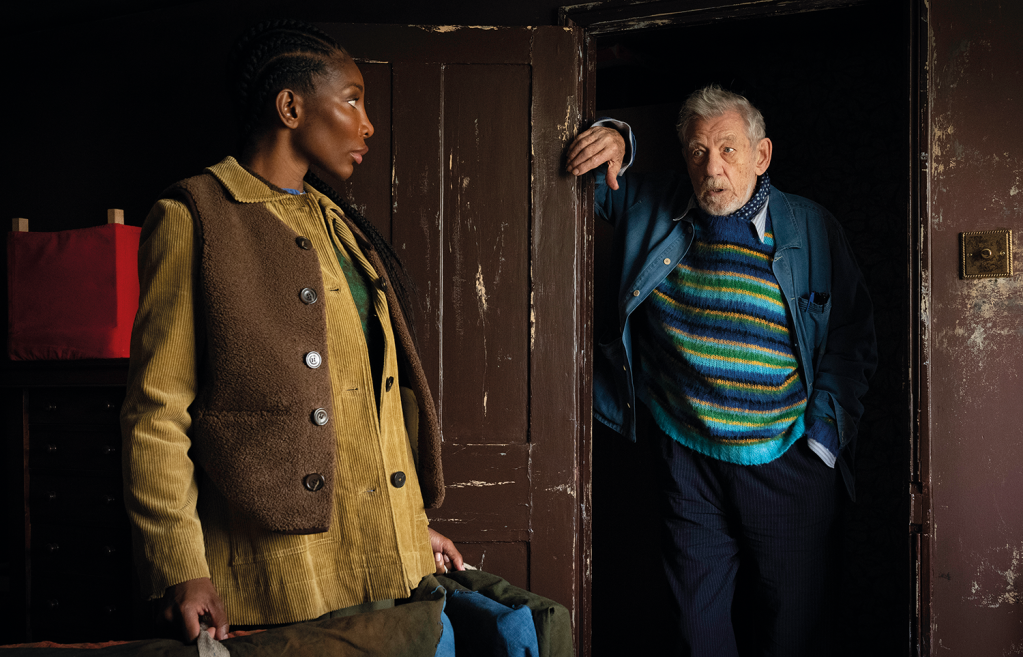
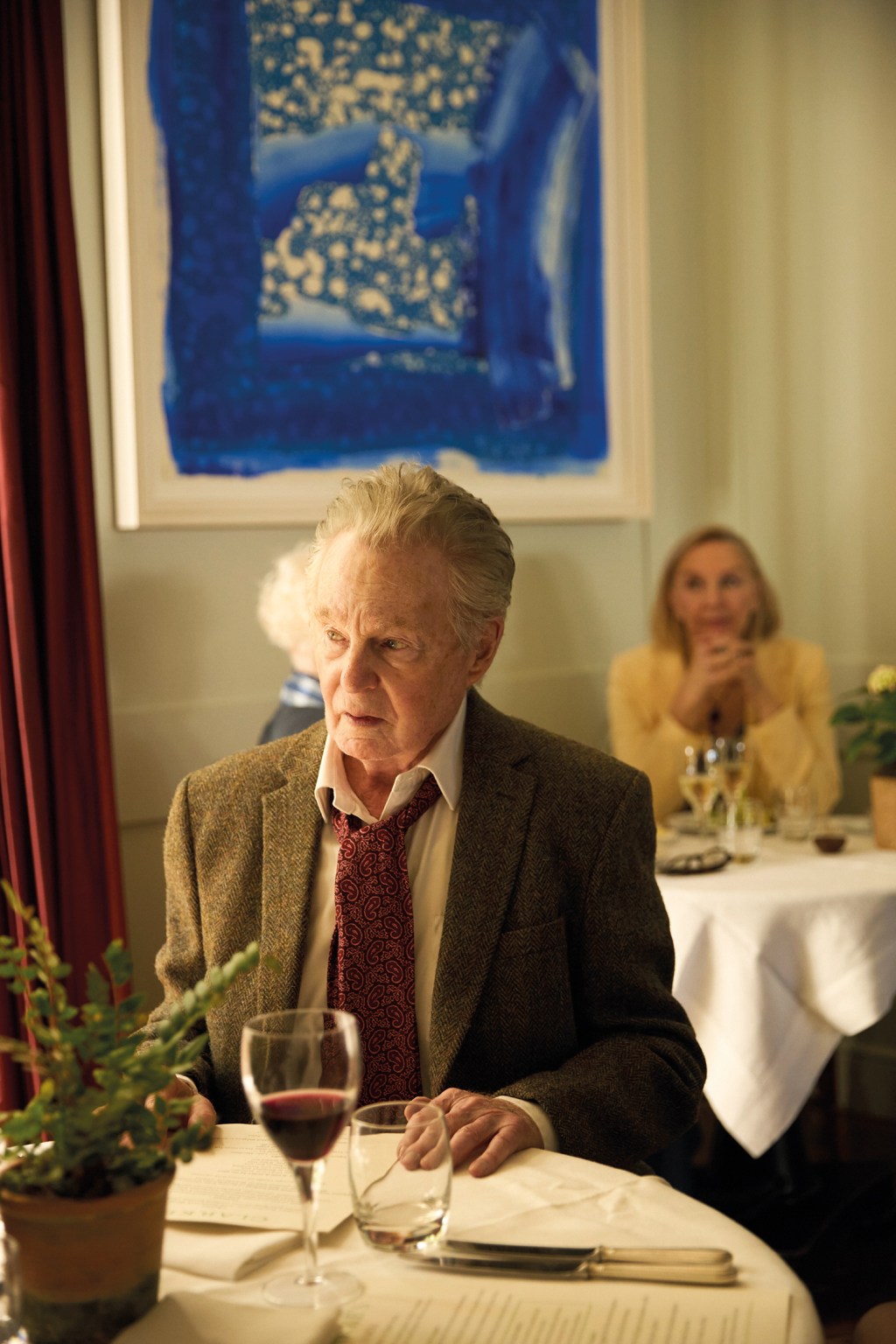
Steven Soderbergh’s The Christophers is a deliciously sly, twisty, darkly comedic take on the art world starring Ian McKellen who has never been better on film. (Let’s not mention 2023’s The Critic ever again.) The trouble with McKellen is that for some people  (i.e., me) it’s hard not to always see Ian McKellen, but that’s not the case here. Soderbergh is a big name (the Ocean’s trilogy, the Magic Mike trilogy, plus Traffic, Erin Brockovich and many more) but with this two-hander he’s gone small, pitting McKellen against Michaela Coel. She has the quieter role but more than holds her own. (I could look at the remarkable planes of her face all day.

The British modernist who was airbrushed from history

Classical

Elsewhere in British music in 1960: William Walton was writing his Symphony No 2, Benjamin Britten his opera on Midsummer Night’s Dream and Michael Tippett was about to start King Priam. Meanwhile in Cambridge, an ex-pat composer from Catalonia, Roberto Gerhard, was puzzling out how to knit together a new large-scale piece for orchestra and electronics. Simon Rattle and the London Symphony Orchestra are about to give that work, Gerhard’s Symphony No. 3, Collages, a rare outing at the Barbican on 21 May. It’s a mind-stretching piece, both very much of its time and of the future. Gerhard’s electronics gurgled, bleeped and cracked their knuckles, as he atomised the orchestra, finding a kaleidoscope of inventive ways to cement its working parts back together.

In defence of Hindemith

Classical

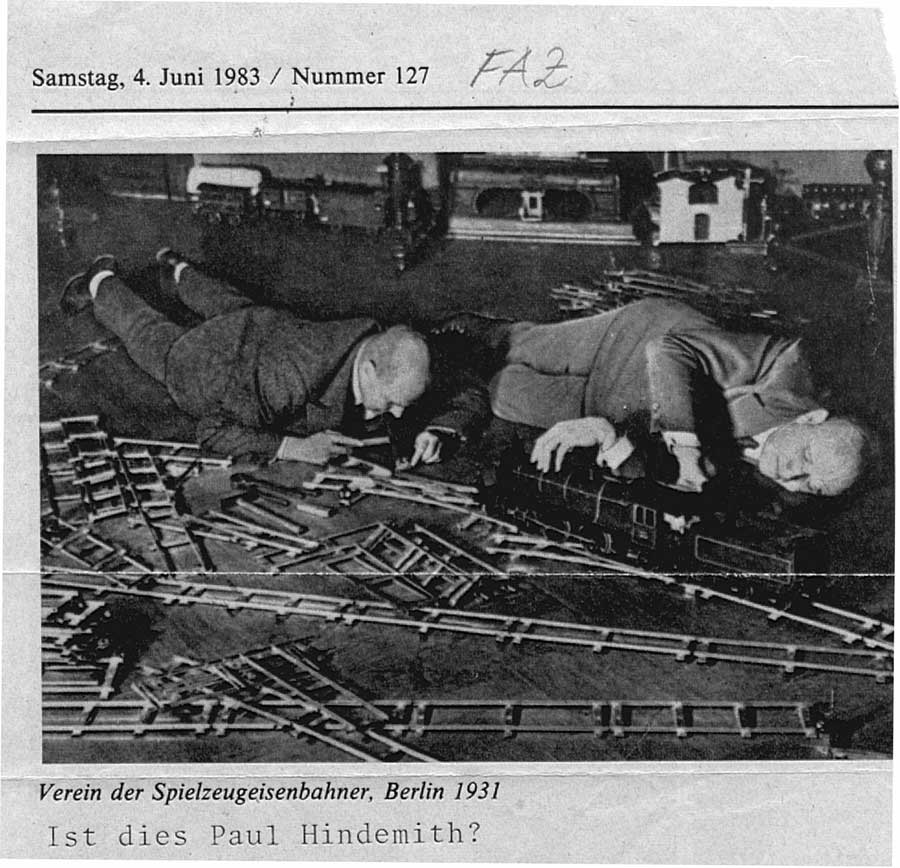
There’s a photo of Paul Hindemith with the pianist Artur Schnabel on hands and knees, surrounded by model railway track. Huge railway enthusiast, Hindemith, you see: he laid sprawling networks through the rooms of his Berlin apartment (before the Nazis drove him out), and organised marathon operating sessions with friends. Anyway, for various reasons, this knowledge makes me warm to him in a way that his music only erratically manages. It’s not that it’s impossible to like (although this is a man whose idea of a crowd-pleaser is called Symphonic Metamorphoses of Themes by Carl Maria von Weber). But there can be few composers whose effect is so hard to anticipate.

Peter Shaffer should be up there with the greats

Arts feature

Commercial success has a way of corroding critical regard. The more popular a playwright becomes, the more the critical establishment becomes suspicious of their intellectual credentials. Consider Peter Shaffer. He collected Tonys, an Oscar, a Golden Globe, a CBE and a knighthood, and yet his reputation has contracted to a single work. Shaffer’s Amadeus premièred at the National Theatre in London in 1979. A West End transfer followed, then Broadway. But it was Milos Forman’s 1984 film that propelled it into the stratosphere, embedding itself so completely in our cultural consciousness that the rest of his work has never quite escaped its shadow. Shaffer’s work resists easy categorisation.

How Winston Churchill painted himself out of the darkness

Arts feature

At Chartwell, Sir Winston Churchill’s home of 42 years, now owned by the National Trust, lies his painting studio. Reached by a path through the green-gold gardens, it is a standalone building with a little doorway and a soaring ceiling, clearly a place of refuge, and recreation, but also of serious commitment. The walls display a hundred or so paintings, lit by a big window that gives on to the garden and the purple horizon of the Weald of Kent; his armchair is set at the easel, near his twisted paint-tubes, housed in a former cigar humidor. His bespoke painting overcoat is flung over the armchair, his drink of ‘mouthwash’ (a splash of whisky and a lot of soda) set ready. It was here that Xavier Bray, director of the Wallace Collection, had his revelation.