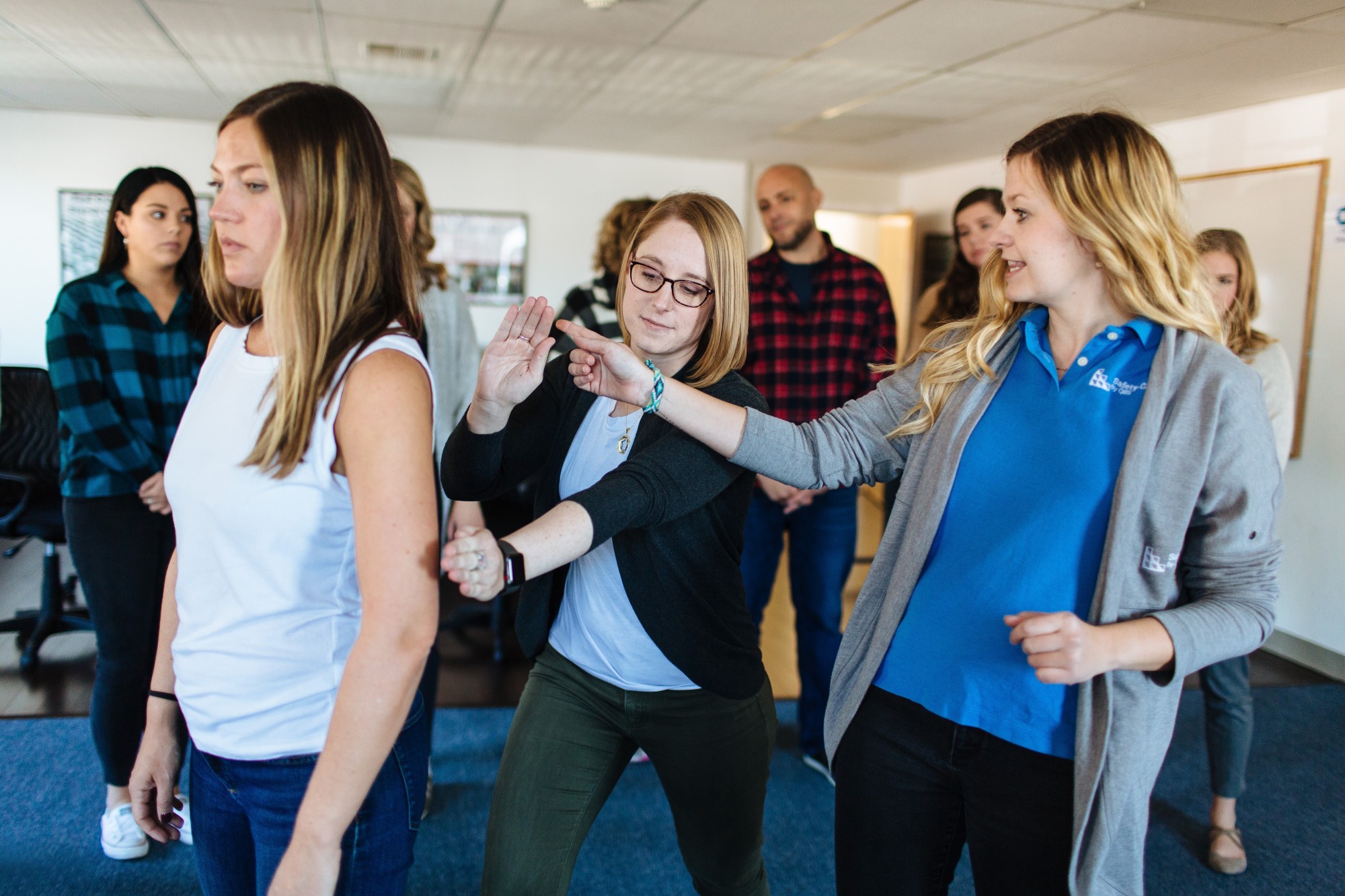
shoulder check

Safety-Care® by QBS

Prevention‑first de-escalation training that measurably reduces restraint and injury.

Evidence‑based crisis prevention and de‑escalation training grounded in behavioral science and positive‑support frameworks (Applied Behavior Analysis and PBIS), built for education, healthcare, human services, and ABA organizations.

Schedule a Consultation

Outcomes That Set the Standard

Documented reductions in restraint, seclusion, and staff injury across real-world settings.

275,000+
Staff Certified Annually
3,700+
Active Customer Organizations
12,500+
Active Safety-Care® Trainers
70%
Reduction in hours spent in seclusion
58%
Reduction in hours spent in restraint
57%
Reduction in staff-related injuries

Results from participating organizations; methodology available on request. Results vary by setting and implementation.

Trusted by Over 3,700 Organizations Across North America ... and Growing

"A very positive experience with the Safety-Care program. QBS trained all of our Special Education staff, replacing a previous program that didn’t fully meet our needs. Thanks for developing such a great safety training course!"

Jennifer Donlon
Bonny Eagle School District

"Our facility houses over 200 adults with intellectual and other disabilities. In 2008, we transitioned our entire staff to Safety-Care. Embracing it has been a key factor in improving safety and quality of care."

David D. Lanier, Ph.D.
Bluegrass Oakwood

"We just completed our first Safety-Care Behavioral training. I knew it was a high-quality program while becoming a trainer, but now I’m even more confident after leading it myself."


Catherine Giles
Reading Public Schools

"Beyond aligning with our ABA model, Safety-Care is the first truly evidence-based crisis prevention system I’ve seen."

Dr. Terry Page
Advoserv Inc.

Designed to Manage Behavioral Challenges

Including but not limited to:

Designed to Manage Behavioral Challenges
Physical aggression
Verbal aggression
Hyperactivity
Uncooperativeness
Tantrums
Elopement
Use of weapons
Intimidation
Property destruction
Bullying
Self-injury
Fighting
WA blog post image

Why Organizations Switch to Safety‑Care

Safety‑Care enhances compliance with competence.

Many districts, hospitals, and agencies transition from CPI (Crisis Prevention Institute) to Safety‑Care.

They switch because Safety‑Care is clinical, practical, and prevention‑first—not theory and restraint choreography. Teams leave training confident and ready to act, not just certified to comply.

What Makes Safety-Care Different?

Finally, Training That Works the Way You Need It To

Prevention Focused

Reinforcement‑based supports that reduce the frequency and severity of behavioral crises, grounded in evidence‑based behavioral science.

Practical

Scenario‑based, skills‑driven learning staff can apply immediately in their work environment.

Clinical

Developed by Board Certified Behavior Analysts (BCBAs) using errorless teaching (structured practice that minimizes mistakes while learning) and fluency‑based mastery.

Proven

Consistent reductions in restraint, seclusion, and injury across diverse settings. Trusted by thousands of organizations nationwide.

Safety-Care's Proven Approach to Lasting Change

Five Steps to behavorial change across your organization

See What's Happening

Look at what's happening: behavior patterns, incident trends, staff experience, and key stakeholders.

We can help you start here.

Set Your Goals

Decide what you're working toward and how you'll measure it.

We have tools and people to help.

Equip Your Team

Train the right people at the right level for your population. Grounded in behavioral science. Focused on prevention.

We provide the training and materials.

Change & Sustain

Put it into practice. Reinforce the skills and routines that sustain the program.

We stay connected with resources and clinical experts.

Show the Impact

Measure what changed and connect results back to the goals you set in Step 2.

We help you communicate progress to the people who need to see it.

Compliance & Accreditation

Compliance & Accreditation

Designed to help you meet regulatory and accreditation requirements while delivering real‑world results.

QBS provides training and support; your organization interprets and applies requirements locally.

State and federal restraint/seclusion regulations (education & healthcare)
The Joint Commission (JCAHO) and CMS patient‑rights standards
HCBS Settings Rule and state licensing for community programs
BACB, BHCOE, and payer expectations for ABA organizations

Funding & Incentives

Thousands of organizations use Safety‑Care to satisfy funding and insurer expectations. We’re aligned with how agencies fund behavioral‑safety and risk‑reduction training across markets. Funding approval remains your responsibility, but we’re happy to discuss how others approach it.

Allowability is local — we’re aligned and ready to discuss the approach.

Education: Special‑education budgets (IDEA Part B/CEIS), school‑safety and school‑climate funds, Title II‑A, Title IV‑A.
Healthcare: Patient‑safety and risk‑management budgets; insurer or workers‑comp incentives for injury reduction.
Human Services / IDD: Medicaid/HCBS training requirements and state provider‑training funds.
ABA Organizations: Payer/accreditation expectations and risk‑pool endorsements tied to injury reduction.

News & Blog

Avoiding Power Struggles – Practical Strategies for Safer, More Effective Interactions

Power struggles are something nearly every behavioral health, education, and human services professional has encountered. So it’s no surprise that…

From Rollout to Results: How Hospital Systems Are Making Safety-Care Work

A recap of our May 2026 Safety-Care Live webinar What does it actually take to successfully implement Safety-Care in a…

Safety, Confidence, & Connection at AchieveKids

AchieveKids is not a typical school. As a comprehensive special education campus serving students ages K-22, it provides the intensive,…

Building a Sustainable Culture of Prevention & Safety

Creating a culture of prevention and safety isn’t about better staff reactions. It’s about creating an environment where the staff…

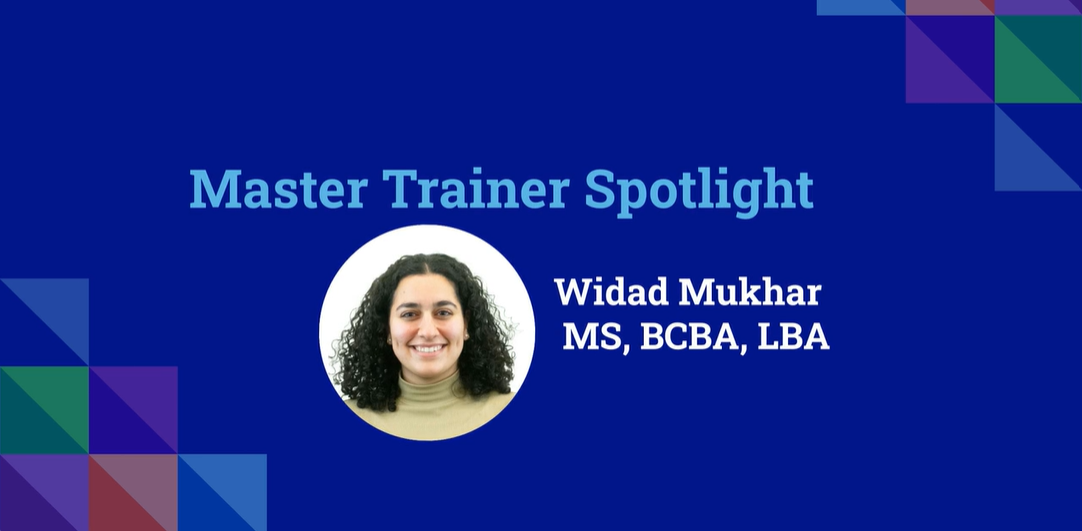
Meet our Master Trainer: Widad Mukhar

What does it take to become a great trainer? For Widad Mukhar, it starts with curiosity. Long before she became…

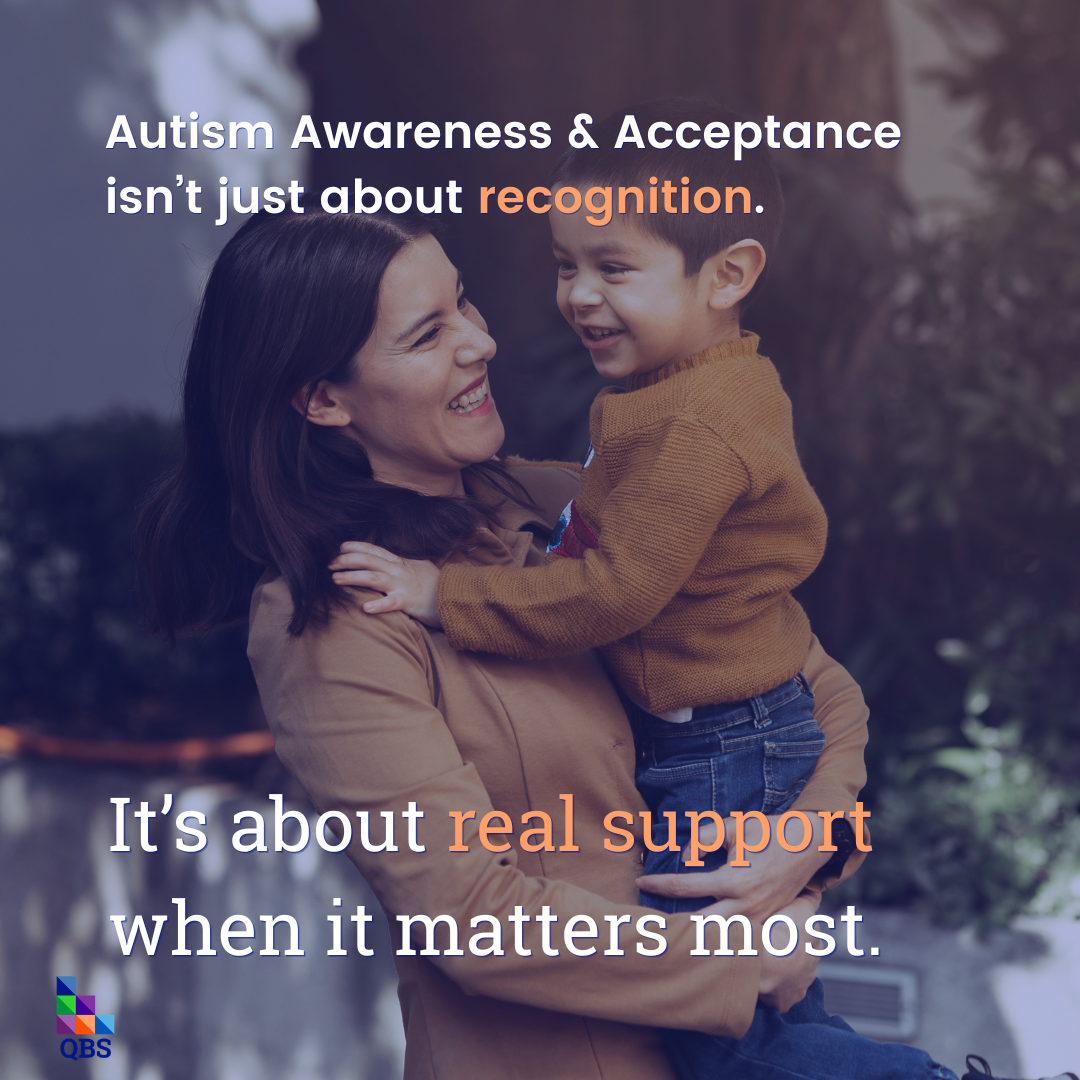
Autism Acceptance Means Showing Up in Crisis, Not Just in Celebration

April is Autism Awareness and Acceptance Month. It is a time filled with stories of inclusion, celebration, and recognition of…

Building Consistency and Confidence Across Schools and Families

Across Washington State, North Central Educational Service District (ESD) supports a diverse range of school districts, from large urban areas…

How Safety-Care Aligns with Trauma-Informed Care

Key Takeaways from Our March Safety-Care Live Webinar In our latest Safety-Care Live webinar, we explored an important and timely…