![the Open Siddur Project [logo]](https://opensiddur.org/wp-content/uploads/2018/09/Open-Siddur-Project-Logo-2016.svg)
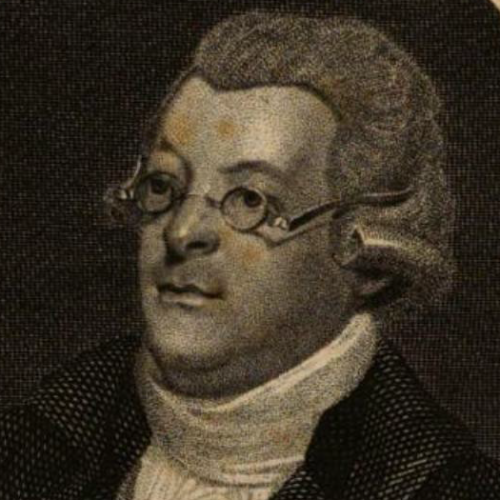
Contributed by: Aharon N. Varady (digital imaging and document preparation), Solomon Mordecai Ximenes, David Levi (translation)
One of the earliest bilingual Hebrew-English prayerbooks compiled for Spanish & Portuguese Jews in the British Empire.
Contributed by: Aharon N. Varady (transcription), David Levi (translation), Moses Myers, Office of the Chief Rabbi of the United Hebrew Congregations
This is a full transcription of a patriotic and civic prayer service offered on 29 November 1798 at the German Jews’ Synagogue in London, composed by chief Rabbi Moses Myers and translated into English by David Levi. The unique prayers by Rabbi Myers are openly anti-French and anti-Napoleonic, in alignment with British sentiment in the war against the forces of Napoleon and thrilled with the naval defeat of Napoleonic forces at the Battle of the Nile in August of that year by rear admiral Horatio Nelson.
Contributed by: David Levi (translation)
מחזור לשבועות The Form of Prayers for the Feast of Pentecost According to the Custom of the German & Polish Jews was compiled and translated in 1796 by David Levi (1742-1801). It is the sixth volume in a set of nusaḥ Ashkenaz maḥzorim by Levi.
Contributed by: David Levi (translation)
מחזור לפסח The Form of Prayers for the Feast of Passover According to the Custom of the German & Polish Jews was compiled and translated in 1796 by David Levi (1742-1801). It is the fifth volume in a set of nusaḥ Ashkenaz maḥzorim by Levi.
Contributed by: Aharon N. Varady (transcription), David Levi (translation), Moses Myers, Office of the Chief Rabbi of the United Hebrew Congregations
This is a full transcription of a patriotic and civic prayer service offered on 29 October 1795 at the German Jews’ Synagogue in London, composed by chief Rabbi Moses Myers and translated into English by David Levi. The prayers on behalf of King George Ⅲ came in the aftermath of the unraveling of the “Popgun Plot,” an alleged 1794 conspiracy by three members of the London Corresponding Society to assassinate the kning by means of a poison dart fired from an airgun. Three members, Paul Thomas LeMaitre, John Smith, and George Higgins, were arrested in late 1794, and Robert Thomas Crossfield in December 1795. Ultimately, all four were acquitted of treason in May 1796, on the grounds that the chief witness against them was dead.
Contributed by: David Levi (translation)
מחזור לסוכות The Form of the Prayers for the Feast of Tabernacles According to the Custom of the German & Polish Jews was compiled and translated in 1795 by David Levi (1742-1801). Besides Sukkot, additional services for Shemini Atseret and Simḥat Torah are included. It is the fourth volume in a set of nusaḥ Ashkenaz maḥzorim by Levi.
Contributed by: David Levi (translation)
מחזור ליום כיפור The Form of the Additional and Afternoon Prayers for the Day of Atonement According to the Custom of the German & Polish Jews was compiled and translated in 1795 by David Levi (1742-1801). It is the second volume in a set of nusaḥ Ashkenaz maḥzorim by Levi. The Arvit and Shaḥarit services for Yom Kippur are found in the previous volume in this six volume set of maḥzorim.
Contributed by: David Levi (translation)
מחזור מחזור ליום כיפור The Form of the Prayers for the Day of Atonement [Evening and Morning Services] According to the Custom of the German & Polish Jews was compiled and translated in 1795 by David Levi (1742-1801). It is the second volume in a set of nusaḥ Ashkenaz maḥzorim by Levi. The Musaf, Minḥah, and Neilah services for Yom Kippur are found in the next volume in this six volume set of maḥzorim.
Contributed by: David Levi (translation)
מחזור לראש השנה The Form of Prayers for the New Year According to the Custom of the German & Polish Jews was compiled and translated in 1794 by David Levi (1742-1801). It is the first volume in a set of nusaḥ Ashkenaz maḥzorim by Levi, and his introduction sets forth his principles of translation used throughout the rest of the volumes. Due to the high esteem accorded it, this set served as a template for later maḥzorim in their translations and layout.
Contributed by: David Levi (translation), Unknown, Aharon N. Varady (transcription)
The mi sheberakh read for the well-being of Jewish congregations worldwide.
Contributed by: David Levi (translation), Unknown, Aharon N. Varady (transcription)
The mi sheberakh read for the well-being of one’s own congregation.


