Regenerative Medicine Insights

Clinical trials, aesthetic applications, regulatory updates, research studies, and industry insights from the world of regenerative medicine

Latest Articles

galina-nelyubova-54xICu3vOYc-unsplash-1200x630-Fp9vgVyXQZeEnB0E7DYeq7HtZHs9T0.jpg
Blog
1 min read
Your Stem Cells Are on a Clock. And Science Has Measured the Timer.
A study published in Bone found that stem cells from younger donors could divide more times, divided faster, and showed signs of cellular aging later than cells from older donors. While the study was small and conducted in the lab, it highlights a fundamental idea: our stem cells age with us—and we can’t go back later to recover the younger cells we once had.
Aging
ACCBIO_Logo_padded-1400x933-N5W7mHYfFOkTHkUZPxXZ3wScTkOvJX.jpg
Blog
1 min read
Prnewswire
New Partnership Makes Adult Stem Cell Banking and Regenerative Therapies More Accessible
Saving your body's repair cells just got much easier. A new partnership makes it
CryopreservationCellular ExpansionPlatelet Rich PlasmaExosomes
Manhattan Beach.jpeg
Blog
1 min read
Beyond the Hype: Dr. Ronna Parsa on Stem Cell Myths and Proactive Healthspan
Orthopedic
women-jogging.jpg
Blog
1 min read
Inside Regenerative Medicine with RYC Orthopaedics Physician Assistant Jenna Trainor
RYC Orthopaedics PA Jenna Trainor on regenerative medicine, orthobiologics, and proactive care with Forever Labs
Orthopedic
getty-images-GUnajfF3WiA-unsplash.jpg
Blog
1 min read
PCOS, Fertility, and the New Frontier of Regenerative Medicine
Women's Health
Women
Blog
1 min read
Regeneration in the Spotlight for National Women's Health Month
Lab
Blog
1 min read
Behind the Scenes of Stem Cell Banking: What Happens Between Collection and Storage
blog
kortney-musselman-2jSQEuqLi4U-unsplash.jpg
Regulatory
1 min read
Tennessee Strikes a New Chord in Healthcare: What House Bill 2246 Means for Stem Cell Therapy
Blog
 Southern Surgical Arts in Chattanooga (TN)
Blog
1 min read
Forever Labs and Southern Surgical Arts Partner to Reshape the Future of Longevity
Adipose Derived Mesenchymal Stromal CellsAdipose Derived Stem Cells
Diabetes
Blog
1 min read
https://doi.org/10.1186/s13098-025-01619-6
How Stem Cell Breakthroughs Signal Promising Future for Diabetes Treatment
DiabetesAutologous Stem CellsMesenchymal stem cells
su-san-lee-E_eWwM29wfU-unsplash.jpg
Blog
1 min read
Japan Provides Conditional Approval for Stem Cell Repair for the Heart and Brain
Japan conditionally approves stem cell treatments for Parkinson’s and heart failure. Clinical trials show significant functional recovery, shifting from managing symptoms to restoring health.
Regulatorystem-cell-therapyParkinson DiseaseHeart Disease
faruk-tokluoglu-xldQDl1wv4A-unsplash.jpg
Aesthetics
1 min read
Can I Bank my Stem Cells During Liposuction or Skin Reduction Aesthetic Procedures?
Turn your aesthetic procedure into a milestone for longevity. Discover how to bank your own stem cells during liposuction or skin reduction to power your future health and healing.
BlogSkin RejuvenationWound CareLiposuctionBody ContouringAdipose Derived Stem Cells
diana-hauan-oFK7xgf4_50-unsplash.jpg
Blog
1 min read
Women in Stem Cell Research: The Visionaries Redefining Regenerative Medicine
From CRISPR to cord blood, explore how six women are pioneering and moving medicine toward a proactive, evidence-based future of recovery.
Hematopoietic Stem CellsStem Cell DifferentiationAutologous Stem CellsParkinson Disease
hhh13-q9iVyHxn230-unsplash.jpg
Blog
1 min read
Breaking Bad Orthopedics: Escaping the Cycle of Reactive Care with Regenerative Medicine
On the Future Proof with Forever Labs podcast, Drs. Tad DeWald and Brett Fox talk about proactive prehab and regenerative medicine. They promote a 50/50 partnership between clinical care and personal movement to future-proof your physical health.
OsteoarthritisTissue renewalOrthopedicMesenchymal stem cellsstem-cell-therapy
andrea-leopardi-QVD3Xht9txA-unsplash.jpg
Blog
1 min read
https://regenerativemedicinemichigan.com/webinar-registration
The Future of your Biology with Forever Labs and The Michigan Center for Regenerative Medicine
Discover how Forever Labs and Michigan Center for Regenerative Medicine are growing access to advanced stem cell storage and expansion to the U.S., offering personalized, high-dose regenerative treatments for long-term joint health and recovery.
OrthopedicOsteoarthritis
dr-trevor-turnmer-large-square.jpg
Media
1 min read
Mdatl
Dr. Trevor Turner Launches CartiNova, a Minimally Invasive Joint and Spine Care Platform
You can now fix knee and back pain without major surgery. This new treatment uses lasers and your own repair cells to help your body heal naturally so you can get back to moving comfortably.
Cartilage LesionsLumbar Disc DiseaseBone MarrowPlatelet Rich Plasma
MaryShaver.jpg
Blog
1 min read
A 35-year-old nurse's journey to stem cell banking with Forever Labs
Mary Shaver, a 35-year-old nurse, shares her experience banking her stem cells with Forever Labs. She details why she chose to preserve her youth today to protect her health for the future.
Mesenchymal stem cellsAging
knee-running
Blog
1 min read
Member Spotlight: Walking the walk with Forever Labs CEO Kevin Virgil
Forever Labs CEO Kevin Virgil avoided knee surgery by using his own banked stem cells to treat osteoarthritis, returning to trail running and proving the power of biological insurance.
Joint RestorationOrthopedic
europeana-Bh_byX3XfIg-unsplash.jpg
Blog
1 min read
Moving Beyond the Quick Fix: Why Your Future Health Depends on Regenerative Orthopedics
In the latest Future Proof with Forever Labs episode, Dr. Trevor Turner shares the latest on regenerative orthopedics at CartiNova. Discover how to move beyond pain management to genuine joint repair, securing lifelong mobility with banked stem cells and more.
Precision MedicineCryopreservationOsteoarthritisOrthopedicJoint Restoration
wyoming-state-photo
Regulatory
1 min read
What you need to know about Senate File 48, Wyoming’s proposed Stem Cell Freedom Act
Wyoming’s Senate File 48, the Stem Cell Freedom Act, proposes a legal framework for physicians to perform autologous stem cell therapies under IRB oversight and cGMP safety standards.
BlogStem Cell Freedom Actright-to-tryAutologous Stem CellsMesenchymal stem cells
heart-disease-attack-mscs
Blog
1 min read
Un-Break My Heart: MSC Therapy and the Future of Heart Disease Treatment
MSC Therapy for Heart Disease: Regenerative approach with Mesenchymal Stem Cells to restore cardiac function. Studies like DREAM-HF show a 58% reduced risk of heart attack, moving beyond symptom management.
Heart Disease
generated-image-22.jpg
Regulatory
1 min read
Wyomingnews
New Legislation Expands Access to Stem Cell Therapies
New laws are being proposed to make it easier for you to use your own stem cells for healing. This means you could access new treatments for injuries or pain much faster, using your body's own repair cells to help you get well.
Autologous Therapiesright-to-tryAdipose Derived Stem Cells
AI generated image for: New Hope for Heart Repair: Stem Cell Exosomes and Smart Delivery Systems
Clinical
1 min read
Frontiersin
New Hope for Heart Repair: Stem Cell Exosomes and Smart Delivery Systems
Your body's repair cells send out tiny "healing packages" that can help fix a heart after a heart attack. New medical studies show that using special patches to keep these packages in place helps the heart heal much faster.
Umbilical Cord TissueHeart DiseaseMesenchymal stem cellsExosomes
AI generated image for: Study Finds Using Your Own Blood Reduces Delirium After Hip Surgery
Clinical
1 min read
Pubmed
Study Finds Using Your Own Blood Reduces Delirium After Hip Surgery
Using your own blood during surgery can help keep your mind clear and sharp while you recover. This study shows that using your own cells instead of a donor's reduces the risk of confusion and helps you heal faster.
Hip ArthroplastyPostoperative DeliriumAutologous TransfusionOrthopedic
hannah-busing-RvF2R_qMpRk-unsplash.jpg
Blog
1 min read
Member Spotlight: From Beast Games star to longevity advocate with Tessa Mac
Beast Games star and matchmaker Tessa Mac shares her powerful journey into regenerative medicine, sparked by a friend’s cancer battle and solidified by her own "aha" moment regarding biological insurance. In the inaugural episode of Future Proof with Forever Labs podcast, she shares why she decided to freeze her Mesenchymal Stem Cells (MSCs) as the ultimate "low-hanging fruit" for long-term health. From setting world records to surviving California wildfires, Tessa explains how securing her youngest, healthiest cells allows her to live a high-octane life today with zero regrets for tomorrow.
AgingWomen's HealthMesenchymal stem cellsCryopreservation
helena-lopes-e3OUQGT9bWU-unsplash.jpg
Blog
1 min read
2026: The Year of Longevity and Owning your Biology
Explore Forever Labs's outlook on 2026 trends in regenerative medicine. Longevity has transitioned from biohacking to a mainstream standard of care. Discover breakthroughs in "bio-liquidity", MSC priming, and epigenetic resetting, alongside regulatory shifts in the United States empowering patients to own their biology.
blogstem-cell-therapyAutologous Stem CellsMesenchymal stem cellsAging
Image-Storing-Your-Youngest-Stem-Cells
Blog
1 min read
Forever Labs
Why freezing your young stem cells matters today
Why freezing your young stem cells matters today. Bank your young Mesenchymal Stem Cells (MSCs) today to secure a high-potency, genetically-matched 'medical reserve' for your future. Research shows that younger MSCs offer enhanced healing, boost cognitive function, and are linked to extended healthspan, providing an ideal resource for future regenerative therapies while eliminating the risk of immune rejection.
Cellular SenescenceCryopreservationHeart Disease
AI generated image for: When Can I Use My Stored Stem Cells? Guide to Access and Innovation January 2026
Blog
1 min read
Forever Labs
When Can I Use My Stored Stem Cells? A 2026 Guide to Access and Regenerative Medicine.
As of early 2026, the landscape for regenerative medicine has undergone a transformative shift, moving from a period of experimental storage to one of clinical accessibility. For individuals who have invested in stem cell banking, the bridge to active therapy is now open, supported by landmark state legislation and new domestic manufacturing capabilities.
blog
DTS_IRL_ESCAPISM_Daniel_Farò_Photos_ID8799.jpg
Blog
1 min read
Is Stem Cell Therapy Safe? Five Myths Debunked.
Stem cell research is transitioning from theory to clinical reality, with over 750 recent trials targeting conditions like osteoarthritis and heart disease. While global adoption grows, many Americans remain hesitant due to common misconceptions. Self-derive stem cell therapy is legal in the U.S. when minimally manipulated, poses low rejection risks, and avoids ethical issues by using adult cells rather than embryos. Compared to surgery, these treatments are minimally invasive with faster recovery times. Companies like Forever Labs now offer biobanking, allowing individuals to preserve their young cells for future longevity treatments.
Stem Cell Myths
AI generated image for: Adipose-derived mesenchymal stem cells (ADSCs) produces immediate changes in blood markers and muscle strength
Clinical
1 min read
Pubmed
Adipose-derived mesenchymal stem cells (ADSCs) produces immediate changes in blood markers and muscle strength
A 2025 prospective observational study tested whether a single administration of **adipose-derived mesenchymal stem cells (ADSCs)** produces immediate changes in blood markers and muscle strength in people with neurodegenerative and respiratory conditions. The study measured serum cholinesterase ...
CholinesteraseMesenchymal stem cellsParkinson Disease
older-couple-going-on-a-walk.jpg
Blog
1 min read
Alzheimer's Disease: Understanding the Latest Research in Neurodegeneration
MSC-derived exosomes (tiny cell-made vesicles) can cross the blood–brain barrier and deliver regenerative signals that MSCs themselves can’t. In animal Alzheimer’s models, they boosted neurotrophic factors like BDNF and NGF (supporting neuron growth/survival), reduced pro-inflammatory molecules, and were associated with less amyloid plaque buildup and better performance on memory/cognition tasks. Early human trials are still small and preliminary, but so far look generally tolerable and show hints of reduced inflammation—meaning it’s promising, but not yet proven or ready as a standard treatment.
ALZ / AlzheimersMesenchymal stem cellsExosomes
generated-image-13.jpg
Regulatory
1 min read
Medcitynews
Florida’s New Stem Cell Law: What It Signals for Physicians, Patients and the Future of Regenerative Medicine
Something important changed in Florida on July 1: the state passed a law (Senate Bill SB‑1768) that allows licensed physicians to offer certain stem cell treatments that are not yet FDA-approved — but only for specific uses (orthopedics, wound care, and pain management) and only if strict rules a...
Perinatal Stem CellsRegulatory ComplianceOrthopedicWound Care
AI generated image for: Results of delayed or salvage autologous hematopoietic stem cell transplantation for multiple myeloma
Blog
1 min read
Nature
Results of delayed or salvage autologous hematopoietic stem cell transplantation for multiple myeloma
This large single-center study looked at outcomes when people with relapsed multiple myeloma received a second autologous hematopoietic cell transplant (autoHCT) either later in their disease course ("delayed") or as a planned salvage treatment. The team reviewed 650 patients treated from 2006–20...
Multiple MyelomaAutologous Hematopoietic Cell TransplantationHigh Risk Cytogenetics
AI generated image for: Functions and mechanisms of circular RNAs in regulating stem cell differentiation
Clinical
1 min read
Pmc
Functions and mechanisms of circular RNAs in regulating stem cell differentiation
New findings show that certain circular RNAs can help control how your body's repair cells turn into different types of cells, which is important for healing and growth. This could lead to better treatments for conditions like osteoporosis and muscle loss. Understanding these processes may improve future healing therapies.
Circular RnasNeural Stem CellsMesenchymal stem cellsStem Cell Differentiation
generated-image-4.jpg
Clinical
1 min read
Pmc
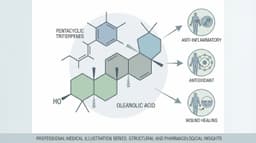
Semisynthetic Derivatives of Pentacyclic Triterpenes Bearing Heterocyclic Moieties with Therapeutic Potential
Newly modified plant compounds called pentacyclic triterpenes could offer better treatments for diseases like cancer and diabetes by improving how well they work in the body. These changes make them easier for our bodies to use, potentially leading to more effective healing options in the future.
Pentacyclic TriterpenesBioavailabilityChemical DerivatizationTherapeutic Properties
AI generated image for: Suppression of Oct4 by Germ Cell Nuclear Factor Restricts Pluripotency and Promotes Neural Stem Cell Development in the Early Neural Lineage
Clinical
1 min read
Pmc
Suppression of Oct4 by Germ Cell Nuclear Factor Restricts Pluripotency and Promotes Neural Stem Cell Development in the Early Neural Lineage
New findings reveal that the germ cell nuclear factor (GCNF) plays a crucial role in neural stem cell development by suppressing Oct4, a key gene for maintaining pluripotency. This regulation is vital for the transition of primitive neural stem cells to definitive ones, potentially unlocking new avenues for regenerative therapies in neurodegenerative diseases.
Oct4 SuppressionNeural Stem Cells
generated-image-1.jpg
Clinical
1 min read
Pmc
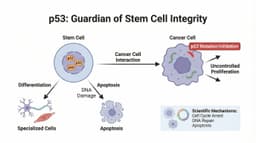
p53 Switches Off Pluripotency on Differentiation
New findings reveal that the p53 protein is essential for guiding stem cells to differentiate safely, potentially reducing cancer risks. By reactivating p53, researchers could enhance stem cell therapies and develop innovative cancer treatments, paving the way for safer regenerative medicine.
Induced Pluripotent Stem Cells (iPSCs)Cancer Stem CellsStem Cell Differentiation
generated-image.jpg
Clinical
1 min read
Pmc
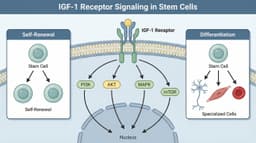
Role of Insulin-like Growth Factor 1 Receptor Signaling in Stem Cell Stemness and Therapeutic Efficacy
New research highlights the critical role of insulin-like growth factor 1 receptor (IGF1R) in enhancing stem cell self-renewal and therapeutic potential. Understanding IGF1R signaling could significantly improve regenerative treatments, making stem cell preservation more valuable for future health needs.
Insulin Like Growth Factor 1 ReceptorNeuroprotectionCardiac Regenerationstem-cell-therapy
9H-efMVgye0OMtZqQ0FO4.jpg
Clinical
1 min read
Web
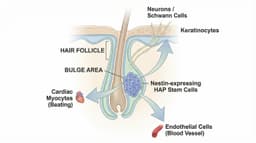
Hair follicle-associated-pluripotent (HAP) stem cells
Hair follicles contain several kinds of stem cells. One group, called hair follicle-associated‑pluripotent (HAP) stem cells, sits in the bulge region of the follicle and expresses the protein nestin. Laboratory studies show HAP cells can turn into many different cell types — neurons, glial cells (support cells in nerves), skin cells, smooth muscle, heart muscle, pigment cells and more [2,10,19,25]. HAP cells are easy to collect from the scalp, do not require genetic reprogramming, do not form tu
Hair FollicleNestin Expressing Stem CellsPeripheral Nerve RegenerationCryopreservation
EYkXkpX2-dsAjy3dEBrPG.jpg
Clinical
1 min read
Web
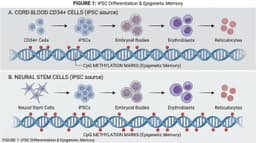
Erythroid differentiation of human induced pluripotent stem cells is independent of donor cell type of origin
Authors: Isabel Dorn, Katharina Klich, Marcos J Arauzo-Bravo, Martina Radstaak, Simeon Santourlidis, Foued Ghanjati, Teja F Radke, Olympia E Psathaki, Gunnar Hargus, Jan Kramer, Martin Einhaus, Jeong Beom Kim, Gesine Kogler, Peter Wernet, Hans R Scholer, Peter Schlenke, Holm Zaehres
Erythroid DifferentiationCd34 Hematopoietic Stem CellsEpigenetic Memory
pFsplrAzb13AyETBi-Y-I.jpg
Clinical
1 min read
Web
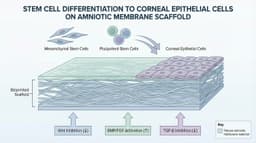
Differentiation Induction of Human Stem Cells for Corneal Epithelial Regeneration
Loss or severe damage of the corneal epithelium (the clear, outer surface of the eye) can cause vision loss. Donor tissue for direct corneal or limbal epithelial transplantation is limited, and allogeneic grafts carry a rejection risk. Researchers are developing ways to turn a patient’s own stem cells into corneal epithelial cells for transplantation. This review summarizes what works so far with human stem cells — especially mesenchymal stem/stromal cells (MSCs) and pluripotent stem cells (ESCs
Corneal EpitheliumLimbal Stem Cell DeficiencyInduced Pluripotent Stem Cells (iPSCs)Mesenchymal stem cells
DTd6cp_Jrzew1kBqwMTSn.jpg
Clinical
1 min read
Web
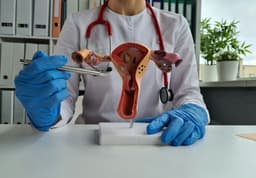
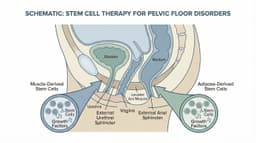
Stem Cells in Clinical Trials for Pelvic Floor Disorders: a Systematic Literature Review
Authors: Stefano Manodoro, Matteo Frigerio, Marta Barba, Sara Bosio, Luigi Antonio de Vitis, Anna Maria Marconi
Pelvic FloorClinical TrialsStress urinary incontinenceAnal IncontinenceWomen's Health
PJetYCLWQHZMfaL8D1jRK.png
Clinical
1 min read
Web
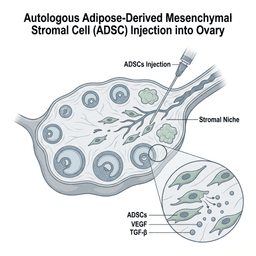
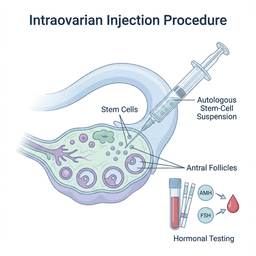
Evaluation of safety, feasibility and efficacy of intra-ovarian transplantation of autologous adipose derived mesenchymal stromal cells in idiopathic premature ovarian failure patients: non-randomized clinical trial, phase I, first in human
Authors: M. Mashayekhi et al. (published Jan 6, 2021)
Premature Ovarian FailureIntra Ovarian TransplantationWomen's HealthAdipose Derived Mesenchymal Stromal Cells
nSlZ8N-cCYFF4p6NaelQe.png
Clinical
1 min read
Slack
Effects of autologous stem cell therapy for fertility enhancement among women with premature ovarian insufficiency
Jesmine Banu; Nishat Jahan; Shaheen A. Anwary; Mostafa Tarique; Itrat Aziz; Nastaran Laskar; M. Rifat Hasan; Chowdhury F. Alamgir; Maliha Darmini
Women's Health
AI generated image for: Autologous Bone Marrow–Derived Stem Cell Therapy for Asherman's Syndrome and Endometrial Atrophy — 5‑Year Follow‑Up (Singh et al., 2020)
Clinical
1 min read
NIH
Autologous Bone Marrow–Derived Stem Cell Therapy for Asherman's Syndrome and Endometrial Atrophy — 5‑Year Follow‑Up (Singh et al., 2020)
Neeta Singh, Bhawani Shekhar, Sujata Mohanty, Sunesh Kumar, Tulika Seth, Bhavana Girish
Asherman SyndromeEndometrial Atrophy
AI generated image for: Adult stem cell therapy for female stress urinary incontinence — simplified summary
Clinical
1 min read
NIH
Adult stem cell therapy for female stress urinary incontinence — simplified summary
Authors: Michael Mitterberger et al.
Stress urinary incontinence
AI generated image for: MSC-based therapy in female pelvic floor disorders — simplified review
Clinical
1 min read
Springer
MSC-based therapy in female pelvic floor disorders — simplified review
Authors: Yizhen Sima & Yisong Chen (original review published Cell & Bioscience, 2020)
Pelvic Floor
AI generated image for: Stem Cells in Clinical Trials for Pelvic Floor Disorders — Plain‑Language Summary and What It Means for Stem Cell Banking and Regenerative Medicine
Clinical
1 min read
Springer
Stem Cells in Clinical Trials for Pelvic Floor Disorders — Plain‑Language Summary and What It Means for Stem Cell Banking and Regenerative Medicine
Pelvic floor disorders (PFDs) — such as stress urinary incontinence (SUI), anal (fecal) incontinence, and pelvic organ prolapse — result from weakness or injury to muscles, nerves, or connective tissues of the pelvic floor. Traditional treatments (rehabilitation, surgery) often give incomplete relief. Stem cell (SC) therapy is being tested as a regenerative alternative.
Pelvic Floor
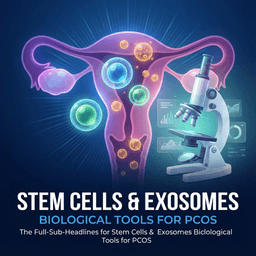
AI generated image for: Stem cells and exosomes: Biological tools for diagnosing and treating polycystic ovary syndrome (PCOS)
Clinical
1 min read
Slack
Stem cells and exosomes: Biological tools for diagnosing and treating polycystic ovary syndrome (PCOS)
Authors: Mahta Hadidi, Keyvan Karimabadi, Elham Ghanbari, Leila Rezakhani*, Mozafar Khazaei*
Polycystic Ovary Syndrome (PCOS)
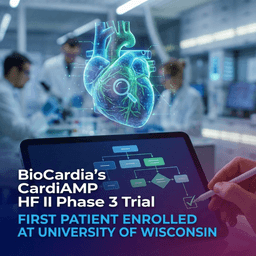
AI generated image for: BioCardia’s CardiAMP HF II Phase 3 Trial: First Patient Enrolled at University of Wisconsin
Clinical
1 min read
Pulse 2
BioCardia’s CardiAMP HF II Phase 3 Trial: First Patient Enrolled at University of Wisconsin
BioCardia announced that the University of Wisconsin School of Medicine and Public Health enrolled its first patient in the Phase 3 CardiAMP HF II trial. This trial is testing CardiAMP, an autologous (patient’s own) bone marrow cell therapy, in people with ischemic heart failure with reduced ejection fraction (HFrEF) who still have signs of heart stress despite optimized medical care.
Heart Disease
AI generated image for: BM-MSC-derived migrasomes reverse stroke-induced thymic atrophy and immunosuppression via Pin1 delivery to thymic epithelial cells
Clinical
1 min read
Biomedcentral
BM-MSC-derived migrasomes reverse stroke-induced thymic atrophy and immunosuppression via Pin1 delivery to thymic epithelial cells
The authors show that bone marrow–derived mesenchymal stem cells (BM-MSC) can reverse stroke-induced thymic atrophy, restore thymic structure, and normalize peripheral T-cell populations in a mouse tMCAO model.
clinicalImmunosuppression
AI generated image for: Two Powerhouse Cell Types That Could Change Medicine Forever
Blog
1 min read
Two Powerhouse Cell Types That Could Change Medicine Forever
Induced Pluripotent Stem Cells (iPSCs)
AI generated image for: Muse Stem Cells and Regenerative Medicine
Blog
1 min read
Muse Stem Cells and Regenerative Medicine
Muse stem cells are naturally occurring, stress-resistant pluripotent cells that can home to damaged tissues and regenerate without forming tumors, making them a promising and safer option in regenerative medicine. Early clinical trials target
Muse cells
AI generated image for: Stem Cell Therapy for PCOS: A New Hope for Women's Health
Blog
1 min read
Stem Cell Therapy for PCOS: A New Hope for Women's Health
PCOS (primary topic) and emerging stem cell-based treatments (MSC, extracellular vesicles, exosomes), including a human case report and ongoing clinical trials. It emphasizes fertility/reproductive implications, metabolic (insulin resistance) aspects of PCOS, and the proposition of banking stem cells.
Polycystic Ovary Syndrome (PCOS)
AI generated image for: New Hampshire HB701 - Expanded Right to Try Act
Regulatory
1 min read
New Hampshire Legislature
New Hampshire HB701 - Expanded Right to Try Act
New Hampshire House Bill 701 establishes the Terminal Patients' Right to Try Act, providing legal pathways for terminally ill patients to access experimental treatments including regenerative therapies.
regulatoryright-to-try
AI generated image for: FSMB Guidelines for Regenerative Medicine Practices
Regulatory
1 min read
Federation of State Medical Boards
FSMB Guidelines for Regenerative Medicine Practices
The Federation of State Medical Boards provides comprehensive guidelines for regenerative therapy practices, establishing standards for physician training, patient safety, and regulatory compliance across state medical boards.
regulatorymedical-guidelines
AI generated image for: Utah SB0199 - Placental Tissue Therapy Authorization
Regulatory
1 min read
Utah Legislature
Utah SB0199 - Placental Tissue Therapy Authorization
Utah Senate Bill SB0199 introduces amendments to existing regulations regarding placental tissue use in medical treatments, clarifying legal frameworks for regenerative medicine applications.
regulatoryplacental-tissue
AI generated image for: Montana SB535 - Experimental Treatment Centers Licensing
Regulatory
1 min read
Montana Legislature
Montana SB535 - Experimental Treatment Centers Licensing
Montana Legislative Bill LC0780/SB535 establishes frameworks for experimental treatment centers, providing pathways for innovative medical treatments including regenerative therapies under controlled conditions.
regulatoryexperimental-treatment
AI generated image for: Florida HB 1617 - Stem Cell Therapy Authorization
Regulatory
1 min read
Florida Legislature
Florida HB 1617 - Stem Cell Therapy Authorization
Florida HB 1617 authorizes physicians to perform FDA-unapproved stem cell therapy with specific requirements for manufacturing practices, patient consent, and advertising disclosures. Effective July 1, 2025.
regulatorystem-cell-therapy
AI generated image for: Bone marrow-derived mesenchymal stromal cell treatment in patients with severe ischaemic heart failure: a randomized placebo-controlled trial (MSC-HF trial)
Clinical
2 min read
Eur Heart J
Bone marrow-derived mesenchymal stromal cell treatment in patients with severe ischaemic heart failure: a randomized placebo-controlled trial (MSC-HF trial)
AIMS: Regenerative treatment with mesenchymal stromal cells (MSCs) has been promising in patients with ischaemic heart failure but needs confirmation in larger randomized trials. We aimed to study effects of intra-myocardial autologous bone marrow-derived MSC treatment in patients with severe ischaemic heart failure. __METHODS AND RESULTS__ The MSC-HF trial is a randomized, double-blind, placebo-controlled trial. Patients were randomized 2 : 1 to intra-myocardial injections of MSC or placebo, respectively. The primary endpoint was change in left ventricular end-systolic volume (LVESV), measured by magnetic resonance imaging or computed tomography at 6 months follow-up. Sixty patients aged 30-80 years with severe ischaemic heart failure, New York Heart Association (NYHA) classes II-III, left ventricular ejection fraction (LVEF) <45% and no further treatment options were randomized. Fifty-five patients completed the 6-month follow-up (37 MSCs vs. 18 placebo). At 6 months, LVESV was reduced in the MSC group: -7.6 (95% CI -11.8 to -3.4) mL (P = 0.001), and increased in the placebo group: 5.4 (95% CI -0.4 to 11.2) mL (P = 0.07). The difference between groups was 13.0 (95% CI 5.9-20.1) mL (P = 0.001). Compared with placebo, there were also significant improvements in LVEF of 6.2% (P<0.0001), stroke volume of 18.4 mL (P < 0.0001), and myocardial mass of 5.7 g (P = 0.001). No differences were found in NYHA class, 6-min walking test and Kansas City cardiomyopathy questionnaire. No side effects were identified. __CONCLUSION__ Intra-myocardial injections of autologous culture expanded MSCs were safe and improved myocardial function in patients with severe ischaemic heart failure.
Heart Disease
AI generated image for: Efficacy of mesenchymal stem cells in treating patients with osteoarthritis of the knee: A meta-analysis
Clinical
1 min read
Exp Ther Med
Efficacy of mesenchymal stem cells in treating patients with osteoarthritis of the knee: A meta-analysis
A meta-analysis of 18 clinical trials (565 patients) demonstrates that mesenchymal stem cell (MSC) therapy significantly improves pain (VAS) and knee function (IKDC, Lysholm, WOMAC) in osteoarthritis patients, with sustained efficacy up to 24 months and peak benefits at 12-24 months post-treatment. Outcomes were enhanced by arthroscopic debridement, activation agents, and lower Kellgren-Lawrence grades, but showed no dose-response to MSC numbers. MSC treatment offers promising pain relief and functional gains for knee osteoarthritis.
Mesenchymal stem cells
AI generated image for: Donor's age dependent proliferation decrease of human bone marrow mesenchymal stem cells is linked to diminished clonogenicity
Clinical
1 min read
Biomed Mater Eng
Donor's age dependent proliferation decrease of human bone marrow mesenchymal stem cells is linked to diminished clonogenicity
While mesenchymal stem cells represent an interesting cell source for regenerative medicine, several points have to be investigated to improve their use in clinical, and in particular in the elderly population. This work studied the proliferation capacity of mesenchymal stem cells isolated from human bone marrow in function of donor's age. Doubling time after in vitro culture, clonogenicity and phenotype were analyzed in 17 samples ranging from 3 to 85 years old (mean 47 ± 27). Results showed an increase in the doubling time for cell coming from old donor compared to cells coming from young ones. This was accompanied by a decrease in clonogenicity while no changes were observe in cell phenotype. In conclusion, this study showed an effect of donor's age on the proliferation capacity of mesenchymal stem cells isolated from bone marrow that was correlated to a decrease in clonogenicity. The comprehension of molecular mechanism involved in this process could help to improve the clinical application of mesenchymal stem cells.
Mesenchymal stem cells
AI generated image for: Stem cell transplantation improves aging-related diseases
Clinical
1 min read
Front Cell Dev Biol.
Stem cell transplantation improves aging-related diseases
Aging is a complex process of damage accumulation, and has been viewed as experimentally and medically intractable. The number of patients with age-associated diseases such as type 2 diabetes mellitus (T2DM), osteoporosis, Alzheimer's disease (AD), Parkinson's disease, atherosclerosis, and cancer has increased recently. Aging-related diseases are related to a deficiency of the immune system, which results from an aged thymus and bone marrow cells. Intra bone marrow-bone marrow transplantation (IBM-BMT) is a useful method to treat intractable diseases. This review summarizes findings that IBM-BMT can improve and treat aging-related diseases, including T2DM, osteoporosis and AD, in animal models.
Aging
AI generated image for: Transplantation of mesenchymal stem cells from young donors delays aging in mice
Clinical
1 min read
Sci Rep
Transplantation of mesenchymal stem cells from young donors delays aging in mice
__Increasing evidence suggests that the loss of functional stem cells may be important in the aging process.__ Our experiments were originally aimed at testing the idea that, in the specific case of age-related osteoporosis, declining function of osteogenic precursor cells might be at least partially responsible. To test this, aging female mice were transplanted with mesenchymal stem cells from aged or young male donors. We find that transplantation of young mesenchymal stem cells significantly slows the loss of bone density and, surprisingly, prolongs the life span of old mice. These observations lend further support to the idea that age-related diminution of stem cell number or function may play a critical role in age-related loss of bone density in aging animals and may be one determinant of overall longevity.
Mesenchymal stem cells
AI generated image for: Long-term cryopreservation of bone marrow for autologous transplantation
Clinical
1 min read
Bone Marrow Transplant
Long-term cryopreservation of bone marrow for autologous transplantation
This study confirms that long-term cryopreservation of bone marrow for up to 7.8 years does not negatively impact hematopoietic stem cell viability or engraftment success. Results indicate that early-stage marrow collection can effectively preserve stem cell quality before cumulative damage from chemotherapy or radiation occurs. This research supports the long-term storage of autologous bone marrow as a reliable option for future transplantation.
Bone MarrowAutologous Hematopoietic Cell TransplantationCryopreservation
AI generated image for: Effect on lifespan of high yield non-myeloablating transplantation of bone marrow from young to old mice.
Clinical
2 min read
Front Genet
Effect on lifespan of high yield non-myeloablating transplantation of bone marrow from young to old mice.
Tissue renewal is a well-known phenomenon by which old and dying-off cells of various tissues of the body are replaced by progeny of local or circulating stem cells (SCs). An interesting question is whether donor SCs are capable to prolong the lifespan of an aging organism by tissue renewal. In this work, we investigated the possible use of bone marrow (BM) SC for lifespan extension. To this purpose, chimeric C57BL/6 mice were created by transplanting BM from young 1.5-month-old donors to 21.5-month-old recipients. Transplantation was carried out by means of a recently developed method which allowed to transplant without myeloablation up to 1.5 × 10(8) cells, that is, about 25% of the total BM cells of the mouse. As a result, the mean survival time, counting from the age of 21.5 months, the start of the experiment, was +3.6 and +5.0 (±0.1) months for the control and experimental groups, respectively, corresponding to a 39 ± 4% increase in the experimental group over the control. In earlier studies on BM transplantation, a considerably smaller quantity of donor cells (5 × 10(6)) was used, about 1% of the total own BM cells. The recipients before transplantation were exposed to a lethal (for control animals) X-ray dose which eliminated the possibility of studying the lifespan extension by this method.
Tissue renewal
AI generated image for: Young blood reverses age-related impairments in cognitive function and synaptic plasticity in mice!
Clinical
1 min read
Nat Med
Young blood reverses age-related impairments in cognitive function and synaptic plasticity in mice!
As human lifespan increases, a greater fraction of the population is suffering from age-related cognitive impairments, making it important to elucidate a means to combat the effects of aging. Here we report that exposure of an aged animal to young blood can counteract and reverse pre-existing effects of brain aging at the molecular, structural, functional and cognitive level. Genome-wide microarray analysis of heterochronic parabionts--in which circulatory systems of young and aged animals are connected--identified synaptic plasticity-related transcriptional changes in the hippocampus of aged mice. Dendritic spine density of mature neurons increased and synaptic plasticity improved in the hippocampus of aged heterochronic parabionts. At the cognitive level, systemic administration of young blood plasma into aged mice improved age-related cognitive impairments in both contextual fear conditioning and spatial learning and memory. Structural and cognitive enhancements elicited by exposure to young blood are mediated, in part, by activation of the cyclic AMP response element binding protein (Creb) in the aged hippocampus. Our data indicate that exposure of aged mice to young blood late in life is capable of rejuvenating synaptic plasticity and improving cognitive function.
Blood
AI generated image for: Cells derived from young bone marrow alleviate renal aging
Clinical
1 min read
J Am Soc Nephrol
Cells derived from young bone marrow alleviate renal aging
Bone marrow-derived stem cells may modulate renal injury, but the effects may depend on the age of the stem cells. Here we investigated whether bone marrow from young mice attenuates renal aging in old mice. We radiated female 12-mo-old 129SvJ mice and reconstituted them with bone marrow cells (BMC) from either 8-wk-old (young-to-old) or 12-mo-old (old-to-old) male mice. Transfer of young BMC resulted in markedly decreased deposition of collagen IV in the mesangium and less β-galactosidase staining, an indicator of cell senescence. These changes paralleled reduced expression of plasminogen activator inhibitor-1 (PAI-1), PDGF-B (PDGF-B), the transdifferentiation marker fibroblast-specific protein-1 (FSP-1), and senescence-associated p16 and p21. __Tubulointerstitial and Glomerular Cells__ Tubulointerstitial and glomerular cells derived from the transplanted BMC did not show β-galactosidase activity, but after 6 mo, there were more FSP-1-expressing bone marrow-derived cells in old-to-old mice compared with young-to-old mice. Young-to-old mice also exhibited higher expression of the anti-aging gene Klotho and less phosphorylation of IGF-1 receptor β. Taken together, these data suggest that young bone marrow-derived cells can alleviate renal aging in old mice. Direct parenchymal reconstitution by stem cells, paracrine effects from adjacent cells, and circulating anti-aging molecules may mediate the aging of the kidney.
Aging
AI generated image for: Viability and osteogenic potential of cryopreserved human bone marrow-derived mesenchymal cells
Clinical
1 min read
Tissue Eng
Viability and osteogenic potential of cryopreserved human bone marrow-derived mesenchymal cells
Human bone marrow-derived mesenchymal cells contain mesenchymal stem cells (MSCs), which are well known for their osteo/chondrogenic potential and can be used for bone reconstruction. This article reports the viability of cryopreserved human mesenchymal cells and a comparison of the osteogenic potential between noncryopreserved and cryopreserved human mesenchymal cells with MSC-like characteristics, derived from the bone marrow of 28 subjects. The viability of cryopreserved mesenchymal cells was approximately 90% regardless of the storage term (0.3 to 37 months). It is clear by fluorescence-activated cell sorter analysis that the cell surface antigens of both noncryopreserved and cryopreserved mesenchymal cells were negative for hematopoietic cell markers such as CD14, CD34, CD45, and HLA-DR but positive for mesenchymal characteristics such as CD29 and CD105. To monitor the osteogenic potential of the cells, such as alkaline phosphatase (ALP) activity and in vitro mineralization, a subculture was conducted in the presence of dexamethasone, ascorbic acid, and glycerophosphate. No difference in osteogenic potential was found between cells with or without cryopreservation treatment. In addition, cells undergoing long-term cryopreservation (about 3 years) maintained high osteogenic potential. In conclusion, cryopreserved as well as noncryopreserved human mesenchymal cells could be applied for bone regeneration in orthopedics.
Orthopedic
AI generated image for: Welcome, friends!
Blog
1 min read
Forever Labs
Welcome to the Forever Labs blog
Forget aging by accident. Forever Labs lets you bank your younger stem cells today to fuel your health tomorrow. Because when it comes to your biology, your best donor is a younger version of you.
blog
AI generated image for: What’s the deal with lifespan?
Blog
1 min read
Forever Labs
What’s the deal with lifespan?
Recent research in gerontology shows that injecting young bone marrow into older mice can increase their remaining lifespan by up to 39%. While these findings highlight the exciting potential of regenerative medicine for life extension, further study is needed to determine how these biological mechanisms translate to human aging.

GerontologyLifespan ExtensionblogBone MarrowAgingCellular Senescence
AI generated image for: Aren't iPS cells the future?
Blog
1 min read
Forever Labs
Aren't iPS cells the future?
Aren't iPS cells the future. When talking to friends, colleagues, and others about Forever Labs, those among them with a certain level of knowledge in the biosciences often turn the conversation to iPS cells.
blog
AI generated image for: What happens to your cells as they age?
Blog
1 min read
Forever Labs
What happens to your cells as they age?
What happens to your cells as they age. The answer is complex and imperfectly understood.
blog
AI generated image for: What is a stem cell anyway?
Blog
1 min read
Forever Labs
What is a stem cell anyway?
What is a stem cell anyway. As a biologist, and one who works with bone marrow stem cells in daily life, it’s easy to forget that to the general public, a ‘stem cell’ is not much more than an abstraction, a news-worthy meme that comes light on the details.
blog
AI generated image for: Bone Marrow vs. Adipose Stem Cells: Which Source is Best?
Blog
1 min read
Forever Labs
Bone Marrow vs. Adipose Stem Cells: Which Source is Best?
Bone marrow vs. adipose MSCs There is an ongoing debate among stem cell therapy proponents about what the best source of cells is.
blog
AI generated image for: New Studies Show How Donor Age Affects MSCs’ Disease Fighting Capabilities
Blog
1 min read
Forever Labs
New Studies Show How Donor Age Affects MSCs’ Disease Fighting Capabilities
New Studies Show How Donor Age Affects MSCs’ Disease Fighting Capabilities In the past, I’ve written that there is a strong suggestion that MSCs from older individuals are less likely than those from young ones to fight diseases, but that the evidence—though strong—is mainly circumstantial. However, two very recent studies have shown direct and convincing evidence that this is indeed the case.
blog
AI generated image for: How young blood might help reverse aging. Yes, really
Blog
1 min read
Forever Labs
How young blood might help reverse aging. Yes, really
Stanford University researcher Tony Wyss-Coray explores groundbreaking research into how young blood and cellular factors can potentially reverse the effects of aging on the human brain and body. This insight into regenerative medicine suggests that internal biological triggers may be the key to revitalizing cognitive health and physical longevity.

blog
AI generated image for: Cellular Senescence in Brief
Blog
1 min read
Forever Labs
Cellular Senescence in Brief
Cellular Senescence in Brief Forever Labs was founded on the principle that each of us has a valuable reservoir of bone marrow cells, and that as we age this reservoir is depleted, much like an extended drought that has depleted Lake Powell in the Southwest. Las Vegas and Phoenix grow and grow, it rains less and less, and the river can’t keep the water level high enough to meet demand. I think this is a salient analogy of what happens in our bone marrow as we age.
Cellular Senescence
AI generated image for: Do MSCs act exclusively on the immune system in neural injury?
Blog
1 min read
Forever Labs
Do MSCs act exclusively on the immune system in neural injury?
Do MSCs act exclusively on the immune system in neural injury. An interesting study came to my attention recently.
Multiple Sclerosisblog
AI generated image for: Why your own stem cells outperform exosomes
Blog
1 min read
Forever Labs
Why your own stem cells outperform exosomes
Why Your Own Cells Matter While donor products could offer temporary relief, your own cryopreserved stem cells can provide a lasting solution for tissue repair. By avoiding immune rejection, "self" cells can fully integrate and heal your body long-term. Learn why storing your youngest and most viable stem cells cells is your best healthcare asset.
blog
Forever Labs physician Dr. Michael Schenden featured on WXYZ Detroit news
Blog
1 min read
Forever Labs
Forever Labs physician Dr. Michael Schenden featured on WXYZ Detroit news
Forever Labs physician Dr. Michael Schenden featured on WXYZ Detroit news Last week, Dr.
blog
AI generated image for: Three Questions
Blog
1 min read
Forever Labs
Three Questions
Three Questions As CEO of Forever Labs, I attend as many of our stem cell collections as I can and I talk with many of our clients. The majority of people that are interested in storing their young-adult stem cells with us have the same three questions.
blog
DigitalCulture.LA interviews Forever Labs Co-Founders Steven Clausnitzer and Mark Katakowski
Blog
1 min read
Forever Labs
DigitalCulture.LA interviews Forever Labs Co-Founders Steven Clausnitzer and Mark Katakowski
DigitalCulture.LA's Brittney Gallagher interviews Forever Labs co-founders Steven Clausnitzer and Mark Katakowski on Forever Labs co-founders on adult stem cell storage. The core message: Cryopreserve your healthy stem cells now to "lock in" their youthful vigor before they age, preparing for future medical needs.
blog
Mark Katakowski: Increasing Human Life Expectancy through Stem Cell Rejuvenation
Blog
1 min read
Forever Labs
Mark Katakowski: Increasing Human Life Expectancy through Stem Cell Rejuvenation
Mark Katakowski, President of Forever Labs, presents a Talk at Google on how stem cell rejuvenation could potentially increase human life expectancy by restoring the function of aging
blog
AI generated image for: Young donor stem cells improve frailty in a clinical trial: What if they had their own younger cells?
Blog
1 min read
Forever Labs
Young donor stem cells improve frailty in a clinical trial: What if they had their own younger cells?
Young donor stem cells improve frailty in a clinical trial: What if they had their own younger cells. In my last blog post, I discussed our plan to transplant our own younger mesenchymal stem cells (MSCs) to our older selves for the purposes of rejuvenation.
blog
AI generated image for: The Potential of Extending Lifespan with a Stem Cell Refresh
Blog
1 min read
Forever Labs
The Potential of Extending Lifespan with a Stem Cell Refresh
Transplanting young stem cells extended old mice's lifespan by 28%, suggesting a path to human rejuvenation.
blog
AI generated image for: Mesenchymal Stem Cells Current Clinical Applications: A Systematic Review
Clinical
1 min read
Science Direct
Mesenchymal Stem Cells Current Clinical Applications: A Systematic Review
Overview of MSC therapy for multiple clinical trials, showing broad potential for the clinical use of hMSCs with no reported serious adverse events.
Clinical TrialsGeneral
AI generated image for: Ixmyelocel-T for patients with ischaemic heart failure: a prospective randomised double-blind trial
Clinical
1 min read
PubMed
Ixmyelocel-T for patients with ischaemic heart failure: a prospective randomised double-blind trial
This was a prospective, randomized, double-blind, placebo-controlled trial - which is considered the gold standard for clinical research. Patients used their own stem cells to regenerate damaged heart muscle whose heart failure was caused by blocked coronary arteries (ischemic), showing fewer heart-related complications and better symptoms compared to placebo.
Heart DiseaseHeart Disease
AI generated image for: Repairing the Heart with Stem Cells
Clinical
1 min read
Harvard Health
Repairing the Heart with Stem Cells
Researchers treated 17 heart attack patients with an infusion of stem cells taken from their own hearts. A year after the procedure, the amount of scar tissue had shrunk by about 50%.
Heart DiseaseHeart Disease
AI generated image for: Use of Mesenchymal Stem Cells for Therapy of Cardiac Disease
Clinical
1 min read
PubMed
Use of Mesenchymal Stem Cells for Therapy of Cardiac Disease
Critical Review of multiple clinical trials using MSCs for heart disease conditions
Heart DiseaseHeart Disease
AI generated image for: Autologous mesenchymal stem cells offer a new paradigm for salivary gland regeneration
Clinical
1 min read
Nature
Autologous mesenchymal stem cells offer a new paradigm for salivary gland regeneration
Over 60% of patients receiving treatment for head and neck cancers experience radiation-induced salivary gland damage. The study suggests this could provide a definitive treatment rather than just symptom management for the millions of people suffering from dry mouth conditions.
CancerSalvary Gland Function
AI generated image for: Randomized controlled study for the anti-aging effect of human adipocyte-derived mesenchymal stem cell media combined with niacinamide after laser therapy
Aesthetics
1 min read
PubMed
Randomized controlled study for the anti-aging effect of human adipocyte-derived mesenchymal stem cell media combined with niacinamide after laser therapy
The combination of stem cells and niacinimide improved skin through multiple mechanisms - reducing inflammation, protecting collagen structure, promoting collagen production, and enhancing skin repair - resulting in measurable improvements in wrinkles, pigmentation, and overall skin appearance that both patients and doctors could observe.
CosmeticSkin Rejuvenation
AI generated image for: Innovative method of alopecia treatment by autologous adipose-derived SVF
Aesthetics
1 min read
PubMed Central
Innovative method of alopecia treatment by autologous adipose-derived SVF
Hair density and keratin significantly increased after one injection of stem cells.
CosmeticHair Loss
AI generated image for: Autologous Stem Cell-derived Therapies for Androgenetic Alopecia: A Systematic Review of Randomized Control Trials on Efficacy, Safety, and Outcomes
Aesthetics
1 min read
PubMed Central
Autologous Stem Cell-derived Therapies for Androgenetic Alopecia: A Systematic Review of Randomized Control Trials on Efficacy, Safety, and Outcomes
Both cellular and acellular stem cell–based therapies are safe and effective in improving hair regeneration and density in AGA patients. Although the outcomes may be temporary in some cases, regenerative treatments may become useful adjuncts in combination with traditional methods of hair transplantation.
CosmeticHair Loss
AI generated image for: A Single Intradermal Injection of Autologous Adipose-Tissue-Derived Stem Cells Rejuvenates Aged Skin and Sharpens Double Eyelids
Aesthetics
1 min read
PubMed
A Single Intradermal Injection of Autologous Adipose-Tissue-Derived Stem Cells Rejuvenates Aged Skin and Sharpens Double Eyelids
Study showed the shallowing and disappearance of wrinkles, including those of the glabella, lower eyelids, crow`s feet, and forehead and nasolabial grooves, a month to several months after treatment, with results lasting over a year.
CosmeticSkin Rejuvenation
AI generated image for: Efficacy of combined treatment with human adipose tissue stem cell-derived exosome-containing solution and microneedling for facial skin aging: A 12-week prospective, randomized, split-face study
Aesthetics
1 min read
PubMed
Efficacy of combined treatment with human adipose tissue stem cell-derived exosome-containing solution and microneedling for facial skin aging: A 12-week prospective, randomized, split-face study
Study confirmed greater clinical improvements in skin wrinkles, elasticity, hydration, and pigmentation on the HACS-treated side than on the control side, proving both safe and effective.
CosmeticSkin Rejuvenation
AI generated image for: The use of stem cells in ischemic heart disease treatment
Clinical
1 min read
PubMed
The use of stem cells in ischemic heart disease treatment
Intramyocardial delivery of stem cells is more complicated than intracoronary administration, but it is safe and may provide better therapeutic outcomes.
Stroke recoveryHeart Disease
AI generated image for: Addressing Stem Cell Therapeutic Approaches in Pathobiology of Diabetes and Its Complications
Clinical
1 min read
PubMed
Addressing Stem Cell Therapeutic Approaches in Pathobiology of Diabetes and Its Complications
Cell-based therapies including pluripotent and multipotent adult stem cells show proven repair and regeneration potential and are being considered as a remedy for diabetic complications, which are the most prominent reason for high mortality among diabetic patients. They may also provide a long-term cure for diabetes and its complications.
MetabolicDiabetes
AI generated image for: A Future for Autologous Hematopoietic Stem Cell Transplantation in Type 1 Diabetes
Clinical
1 min read
PubMed
A Future for Autologous Hematopoietic Stem Cell Transplantation in Type 1 Diabetes
No alternative intervention strategies match, or even get close to, the clinical outcome achieved in a considerable number of patients treated with autologous stem cell transplantation. We propose that this patient group should be identified, diligently informed and offered the possible benefits of an extended period of insulin-free and burden-free survival,
BloodDiabetes
AI generated image for: Mesenchymal Stem Cell Therapy for Osteoarthritis: The Critical Role of the Cell Secretome
Clinical
1 min read
PubMed
Mesenchymal Stem Cell Therapy for Osteoarthritis: The Critical Role of the Cell Secretome
Reports summarized here suggest significant potential for the use of mesenchymal stem cells in osteoarthritis.
OsteoarthritisOsteoarthritis
AI generated image for: Stem cell transplant in inflammatory bowel disease: a promising modality of treatment for a complicated disease course
Clinical
1 min read
PubMed
Stem cell transplant in inflammatory bowel disease: a promising modality of treatment for a complicated disease course
MSCs offer a promising emerging therapy for patients with IBD due to their immunosuppressive properties, ability to migrate to areas of injury, and demonstration of colonic healing.
Biological agingIBD / Crohn's / Colitis
AI generated image for: Stem Cell–Based Immunomodulation After Stroke: Effects on Brain Repair Processes
Clinical
1 min read
AHA Journals
Stem Cell–Based Immunomodulation After Stroke: Effects on Brain Repair Processes
Stem cell-based approaches can induce poststroke recovery via mechanisms, such as neuronal replacement, promotion of angiogenesis, induction of brain plasticity, reduction of cell death, or immunomodulation.
Stroke recoveryStroke
AI generated image for: Effectiveness of Autologous Hematopoietic Stem Cell Transplantation versus Alemtuzumab and Ocrelizumab in Relapsing Multiple Sclerosis: A Single Center Cohort Study
Clinical
1 min read
Wiley
Effectiveness of Autologous Hematopoietic Stem Cell Transplantation versus Alemtuzumab and Ocrelizumab in Relapsing Multiple Sclerosis: A Single Center Cohort Study
This study provides strong evidence that autologous hematopoietic stem cell transplantation offers superior long-term clinical outcomes compared to two of the most effective current disease-modifying therapies for relapsing multiple sclerosis, particularly in terms of preventing relapses and maintaining sustained clinical benefit over a 5-year follow-up period.
BloodMultiple Sclerosis
AI generated image for: Autologous mesenchymal stem cell transplantation in stroke patients
Clinical
1 min read
Wiley
Autologous mesenchymal stem cell transplantation in stroke patients
Changes in neurological deficits and improvements in function were compared between two groups for 1 year after symptom onset. Patients treated with autologous MSCs showed significant improvement in both cognition and mobility.
Stroke recoveryStroke
AI generated image for: Mesenchymal stem cell transplantation as an effective treatment strategy for ischemic stroke in Asia: a meta-analysis of controlled trials
Clinical
1 min read
PubMed
Mesenchymal stem cell transplantation as an effective treatment strategy for ischemic stroke in Asia: a meta-analysis of controlled trials
MSC therapy is safe and effective in treating IS by improving the neurological deficits, motor function and daily life quality of patients.
Stroke recoveryStroke
AI generated image for: A Systematic Review of Mesenchymal Stem Cells in Spinal Cord Injury, Intervertebral Disc Repair and Spinal Fusion
Clinical
1 min read
PubMed
A Systematic Review of Mesenchymal Stem Cells in Spinal Cord Injury, Intervertebral Disc Repair and Spinal Fusion
Numerous studies reported better results when the mesenchymal stem cells were used in co-culture with other cells or used in scaffolds. Mesenchymal stem cells were also found to have an immune-modulatory role, which can improve surgical outcome.
Biological agingSpinal Cord Injury
AI generated image for: Multiple Autologous Bone Marrow-Derived CD271+ Mesenchymal Stem Cell Transplantation Overcomes Drug-Resistant Epilepsy in Children
Clinical
1 min read
Stem Cells Journal
Multiple Autologous Bone Marrow-Derived CD271+ Mesenchymal Stem Cell Transplantation Overcomes Drug-Resistant Epilepsy in Children
All of the children demonstrated neurological improvement, with significant reductions in the number of both epileptic seizures and SE episodes, with an improved quality of life.
Biological agingEpilepsy
AI generated image for: Intrathecal administration of autologous bone marrow stromal cells improves neuropathic pain in patients with spinal cord injury
Clinical
1 min read
Science Direct
Intrathecal administration of autologous bone marrow stromal cells improves neuropathic pain in patients with spinal cord injury
This study supports the benefit of intrathecal administration of autologous MSCs for the treatment of neuropathic pain in patients with spinal cord injuries.
NeurologyNeuropathic Pain
AI generated image for: Intra-articular knee implantation of autologous bone marrow–derived mesenchymal stromal cells in rheumatoid arthritis patients with knee involvement: Results of a randomized, triple-blind, placebo-controlled phase 1/2 clinical trial
Clinical
1 min read
Science Direct
Intra-articular knee implantation of autologous bone marrow–derived mesenchymal stromal cells in rheumatoid arthritis patients with knee involvement: Results of a randomized, triple-blind, placebo-controlled phase 1/2 clinical trial
Patients receiving MSCs saw significant improvement in standing and walking time, with reduced need for medication.
OsteoarthritisRhumatoid Arthritis
AI generated image for: Multipotent Mesenchymal Stem Cell Treatment for Discogenic Low Back Pain and Disc Degeneration
Clinical
1 min read
PubMed
Multipotent Mesenchymal Stem Cell Treatment for Discogenic Low Back Pain and Disc Degeneration
Injection of imesenchymal stem cells directly into damaged spinal discs reduce back pain and help heal the disc tissue, potentially avoiding the need for surgery. This treatment works best when used early in disc problems and could help keep the spine working normally, preventing further damage and the need for more invasive procedures later.
Biological agingPain Management - Back
AI generated image for: Hematopoietic stem cell transplantation in autoimmune disorders: From immune-regulatory processes to clinical implications
Clinical
1 min read
Science Direct
Hematopoietic stem cell transplantation in autoimmune disorders: From immune-regulatory processes to clinical implications

In certain autoimmune diseases AHSCT can be good choice when conventional therapy failed.

BloodAutoimmune Disorders
AI generated image for: Autologous hematopoietic stem cell transplantation in Systemic Lupus Erythematosus and antiphospholipid syndrome: A systematic review
Clinical
1 min read
Science Direct
Autologous hematopoietic stem cell transplantation in Systemic Lupus Erythematosus and antiphospholipid syndrome: A systematic review
Hematopoietic stem cell transplantation (HSCT) has been proposed as a therapeutic option for patients with Systemic Lupus Erythematosus (SLE) refractory to standard therapy. This therapeutic approach has been applied to other severe autoimmune diseases refractory to standard therapy with promising results.
BloodLupus
AI generated image for: Comparison of Mesenchymal Stem Cell Efficacy in Ischemic Versus Nonischemic Dilated Cardiomyopathy
Clinical
1 min read
AHA Journals
Comparison of Mesenchymal Stem Cell Efficacy in Ischemic Versus Nonischemic Dilated Cardiomyopathy
This study illustrate that quality‐of‐life and functional capacity parameters improve with cell‐based therapy even if classic measures of cardiac function, such as ejection fraction, do not.
Stroke recoveryHeart Disease
AI generated image for: Stem cell therapy for diabetic foot ulcers: a review of preclinical and clinical research
Clinical
1 min read
BMC
Stem cell therapy for diabetic foot ulcers: a review of preclinical and clinical research
Current evidence points toward stem cell therapy as an effective treatment for human patients with DFU
MetabolicDiabetes / Foot UlcerWound CareAdipose Derived Stem Cells
AI generated image for: Intravenous transplantation of bone marrow-derived mononuclear cells prevents memory impairment in transgenic mouse models of Alzheimer's disease
Clinical
1 min read
PubMed
Intravenous transplantation of bone marrow-derived mononuclear cells prevents memory impairment in transgenic mouse models of Alzheimer's disease
Intravenous transplantation of bone marrow-derived mononuclear cells (BMMCs) successfully improved cognitive function and prevented neurodegeneration in two different Alzheimer's disease mouse models.
NeurologyCognitive FunctionAmyloid BetaNeurodegenerationALZ / AlzheimersBone Marrow
AI generated image for: Effect of aging on stem cells
Clinical
1 min read
NIH
Effect of aging on stem cells
As we age, stem cells lose efficacy and ability to heal.
LongevityAging
AI generated image for: Autologous hematopoietic stem cell transplantation in multiple sclerosis: a phase II trial
Clinical
1 min read
Neurology
Autologous hematopoietic stem cell transplantation in multiple sclerosis: a phase II trial
This phase II randomized trial demonstrates that autologous hematopoietic stem cell transplantation (AHSCT) is significantly more effective than mitoxantrone at reducing MRI-detected disease activity in patients with aggressive multiple sclerosis. Results showed a 79% reduction in new T2 lesions and a significant decrease in relapse rates, supporting the need for larger phase III clinical trials.
Autologous Hematopoietic Cell TransplantationImmunosuppressionClinical TrialsMultiple Sclerosis