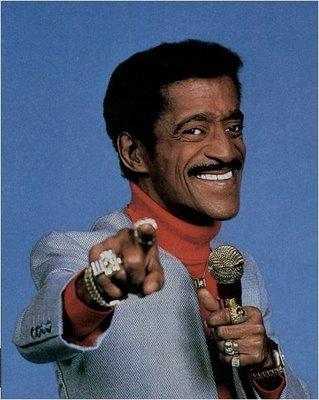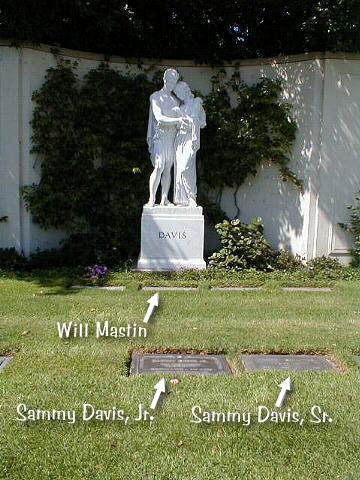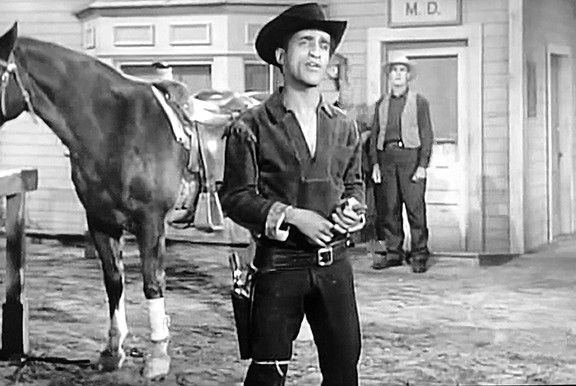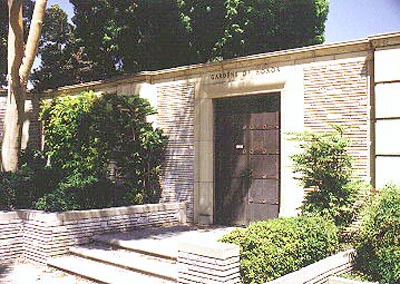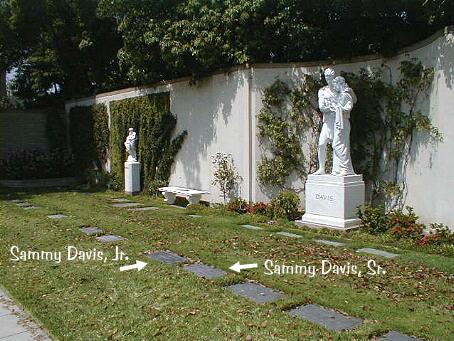
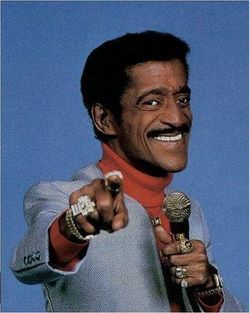
Entertainer. He gained stardom as an African-American singer, actor, comedian, and dancer. A multi-talented performer, Sammy Davis, Jr. recorded forty albums and made countless film, television and Las Vegas appearances during his lifetime. Born the son of Vaudeville performer Sammy Davis, Sr. and Puerto Rican dancer Elvera "Baby" Sanchez, he was age two when his parents divorced with his father gaining custody of him. He began performing at the age of four, and starred in his first film, "Rufus Jones For President," when he was six. Coached by legendary tap dancer Bill "Bojangles" Robinson, Davis achieved success on the Vaudeville circuit, dancing with his father and adopted uncle in the Will Mastin Trio. During World War II (WWII), he served in the United States Army from 1943 to 1945. After experiencing racism, he was transferred to an entertainment regiment. After his service in the Army, he launched his solo career. In 1946, Davis recorded "The Way You Look Tonight" for Capitol Records. In the late 1940s, while still with the Will Mastin Trio, he opened for Frank Sinatra at the Capitol Theatre in New York, which ignited a friendship that would last a lifetime. He toured six months with Mickey Rooney and performed in a Bob Hope benefit show. Through Jack Benny, the trio gained a booking at Ciro's in West Hollywood and an appearance on the Colgate Comedy Hour. After an appearance in New York City at the Copacabana, he signed with Decca Records in 1954 and released his first two albums, "Starring Sammy Davis, Jr." and "Just for Lovers." In 1954, he made headlines when he lost his left eye in a near-fatal car crash while driving back to Los Angeles from Las Vegas. During his recovery in the hospital, he converted to Judaism, which was bruited about by the press. Davis continued treading on socially-controversial ground by carrying on a series of interracial romances, most notably with actress Kim Novak, and with the Swedish actress May Britt, whom he married in 1960. Even in these racially-backward times, Davis came into his own on a professional level. He debuted on Broadway in 1956 with the Will Mastin Trio in the musical comedy "Mr. Wonderful." Davis began making appearances on television, including, The Ed Sullivan Show. In 1959, he resumed his film career in a breakthrough role as 'Sportin' Life' in "Porgy and Bess" in 1959. In the early 1960s, he appeared with his "Rat Pack" cohorts Dean Martin, Frank Sinatra, Joey Bishop, and Peter Lawford in a series of films including "Ocean's 11" in 1960, "Sergeants 3" in 1962, and "Robin and the 7 Hoods" in 1964. Davis returned to Broadway in 1964 as boxer 'Joe Wellington' in a highly successful musical adaptation of the 1937 Clifford Odets drama "Golden Boy." Davis was also heavily involved in the civil-rights movement of the 1960's, working with the likes of Dr. Martin Luther King, Jr. and others being an international symbol of African-American and Jewish rapport. Davis continued appearing on television variety shows and performing in Las Vegas throughout the 1970s and 1980s. In 1972, he had a number-one hit on the top-forty charts with "The Candy Man." Davis acted in two "Cannonball Run" films in the early 1980s. After undergoing a left full hip replacement in 1985, Davis recovered sufficiently to co-star and dance with Gregory Hines in the film "Tap" in 1989. And, after announcing that he had successfully overcome an addiction to cocaine and alcohol, Davis embarked on a concert tour in 1988 to 1989 with fellow Rat-packers Frank Sinatra and Dean Martin. Although he did not show it or speak about it, Davis was said to be sick on the tour. On September 14, 1989, Davis publicly announced that he had throat cancer and would begin radiation therapy. He had a long history of being a heavy cigarette smoker, smoking up to four packs daily. On November 13, 1989, an unprecedented turnout of stars appeared at taping of the "Sammy Davis Tribute" in Hollywood. Sammy Davis, Jr. succumbed to throat cancer at his Beverly Hills, California, home on May 16, 1990. His funeral attracted thousands of unknown individuals and the Who's Who of entertainment. A 300-car caravan followed his remains to his Forest Lawn, Glendale, gravesite. Davis was married three times, first to Loray White, a dancer; to actress May Britt, with whom he had one daughter and adopted two sons; and his wife at the time of his death, Altovise Gore, a former showgirl. Davis also wrote three autobiographies, "Yes I Can" in 1965, "Life In A Suitcase" in 1980, and "Why Me?" in 1989.
Entertainer. He gained stardom as an African-American singer, actor, comedian, and dancer. A multi-talented performer, Sammy Davis, Jr. recorded forty albums and made countless film, television and Las Vegas appearances during his lifetime. Born the son of Vaudeville performer Sammy Davis, Sr. and Puerto Rican dancer Elvera "Baby" Sanchez, he was age two when his parents divorced with his father gaining custody of him. He began performing at the age of four, and starred in his first film, "Rufus Jones For President," when he was six. Coached by legendary tap dancer Bill "Bojangles" Robinson, Davis achieved success on the Vaudeville circuit, dancing with his father and adopted uncle in the Will Mastin Trio. During World War II (WWII), he served in the United States Army from 1943 to 1945. After experiencing racism, he was transferred to an entertainment regiment. After his service in the Army, he launched his solo career. In 1946, Davis recorded "The Way You Look Tonight" for Capitol Records. In the late 1940s, while still with the Will Mastin Trio, he opened for Frank Sinatra at the Capitol Theatre in New York, which ignited a friendship that would last a lifetime. He toured six months with Mickey Rooney and performed in a Bob Hope benefit show. Through Jack Benny, the trio gained a booking at Ciro's in West Hollywood and an appearance on the Colgate Comedy Hour. After an appearance in New York City at the Copacabana, he signed with Decca Records in 1954 and released his first two albums, "Starring Sammy Davis, Jr." and "Just for Lovers." In 1954, he made headlines when he lost his left eye in a near-fatal car crash while driving back to Los Angeles from Las Vegas. During his recovery in the hospital, he converted to Judaism, which was bruited about by the press. Davis continued treading on socially-controversial ground by carrying on a series of interracial romances, most notably with actress Kim Novak, and with the Swedish actress May Britt, whom he married in 1960. Even in these racially-backward times, Davis came into his own on a professional level. He debuted on Broadway in 1956 with the Will Mastin Trio in the musical comedy "Mr. Wonderful." Davis began making appearances on television, including, The Ed Sullivan Show. In 1959, he resumed his film career in a breakthrough role as 'Sportin' Life' in "Porgy and Bess" in 1959. In the early 1960s, he appeared with his "Rat Pack" cohorts Dean Martin, Frank Sinatra, Joey Bishop, and Peter Lawford in a series of films including "Ocean's 11" in 1960, "Sergeants 3" in 1962, and "Robin and the 7 Hoods" in 1964. Davis returned to Broadway in 1964 as boxer 'Joe Wellington' in a highly successful musical adaptation of the 1937 Clifford Odets drama "Golden Boy." Davis was also heavily involved in the civil-rights movement of the 1960's, working with the likes of Dr. Martin Luther King, Jr. and others being an international symbol of African-American and Jewish rapport. Davis continued appearing on television variety shows and performing in Las Vegas throughout the 1970s and 1980s. In 1972, he had a number-one hit on the top-forty charts with "The Candy Man." Davis acted in two "Cannonball Run" films in the early 1980s. After undergoing a left full hip replacement in 1985, Davis recovered sufficiently to co-star and dance with Gregory Hines in the film "Tap" in 1989. And, after announcing that he had successfully overcome an addiction to cocaine and alcohol, Davis embarked on a concert tour in 1988 to 1989 with fellow Rat-packers Frank Sinatra and Dean Martin. Although he did not show it or speak about it, Davis was said to be sick on the tour. On September 14, 1989, Davis publicly announced that he had throat cancer and would begin radiation therapy. He had a long history of being a heavy cigarette smoker, smoking up to four packs daily. On November 13, 1989, an unprecedented turnout of stars appeared at taping of the "Sammy Davis Tribute" in Hollywood. Sammy Davis, Jr. succumbed to throat cancer at his Beverly Hills, California, home on May 16, 1990. His funeral attracted thousands of unknown individuals and the Who's Who of entertainment. A 300-car caravan followed his remains to his Forest Lawn, Glendale, gravesite. Davis was married three times, first to Loray White, a dancer; to actress May Britt, with whom he had one daughter and adopted two sons; and his wife at the time of his death, Altovise Gore, a former showgirl. Davis also wrote three autobiographies, "Yes I Can" in 1965, "Life In A Suitcase" in 1980, and "Why Me?" in 1989.
Bio by: Curtis Jackson
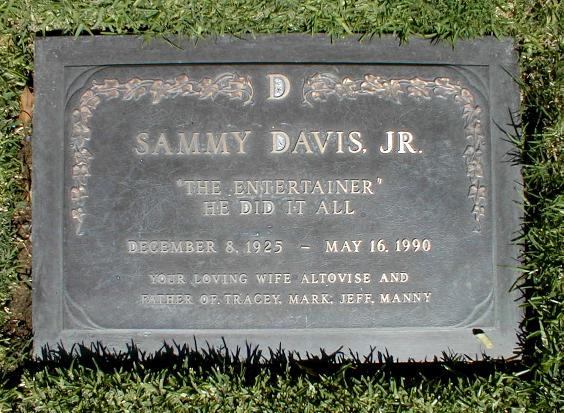
Inscription
"THE ENTERTAINER"
HE DID IT ALL
YOUR LOVING WIFE ALTOVISE AND FATHER OF TRACEY, MARK, JEFF, MANNY