

Approaches to Sustainable Built Environment through Mass Timber
VIRTUAL SUMMIT
December 18, 2024
Renew…Reuse…Regrow…Rethink the Built Environment
A simple and responsible way to rethink how and what we build is through adaptive reuse and the recycling of existing materials. Working with historic buildings, utilizing green technologies, and creating new circular economies and material reuse systems are techniques at the forefront of sustainable design today, and the focus of our Renew Reuse Regrow Virtual Summit.
Renewable building materials like timber have already begun to reshape how we think about building cities and making new architecture. These material processes are not only ecologically sensitive, but they create opportunities for economic growth, promote equity, and support heritage conservation. Underutilized and abandoned historic structures offer an unexpected area for the AEC industry to lead: Because extant buildings require upgrades to meet new performance codes, like mitigating thermal bridging, replacing outdated mechanical systems, and repairing decayed facades, their revitalization presents a massive opportunity.
The Architect’s Newspaper’s Renew Reuse Regrow event features today’s most exciting case studies from historic preservation, adaptive reuse, and asset renewal for deep green retrofits, but there is also a unique focus on continuing innovation with mass timber. Panels ranging from mass timber’s exciting new heights to the material’s support of net-zero carbon goals showcase exemplary projects across North America, identify best practices for their assembly, and spotlight emerging technologies for practitioners interested in gaining experience in this exciting field.
Featured Speakers


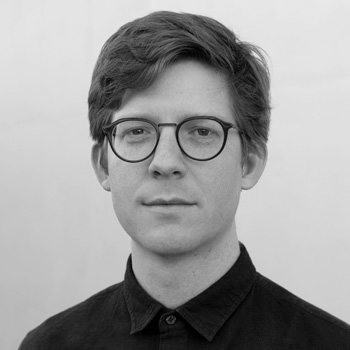
Stephanie Phillips


Alexis Feitel


Agenda
9:15 – 9:30 AM ET
9:30 – 9:35 AM

Dionne Darling
9:35 – 9:40 AM

Lauren Rogers

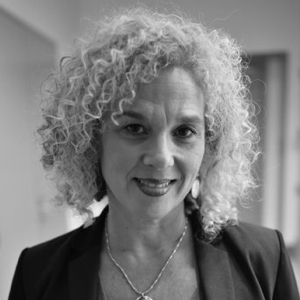
Liana Giacherio
9:40 – 9:45 AM

Robert Levit
9:45 AM – 10:30 AM
With a global focus on resource limits, embodied carbon, recycling materials, and the adaptation of existing buildings, Stephan Schütz examines how reuse and renewal are key to the future of architecture worldwide. He describes various projects and examples of adaptive reuse, including sustainable approaches and successful decarbonization efforts seen in renovations, conversions, and districtwide renewal. Collectively called umbau in German, the outcomes are transformations of existing buildings and places, showing how places and structures can be flexibly used, reused, expanded, and sustainably fortified.
Moderated by Jack Murphy

Stephan Schütz
10:30 – 11: 00 AM
Michelle Old, Partner at Kirksey will share the story of the San Jacinto College Anderson-Ball Classroom Building. This hybrid mass timber structure is one of the first in the Greater Houston Area and one of the nation’s largest mass timber academic buildings on a college campus.
The new facility reused portions of the 1950’s era classroom buildings it replaced, like the existing foundations, bas relief panel, and exterior marble and contains other innovative sustainability features.

Michelle Old

11:00 – 11:15 AM
11:15 AM- 12:00 PM
Join engineering, construction, and civic leaders as they discuss the international movement toward circularity in construction and design for the deconstruction and reuse of building materials through pilot projects of multiple scales.

Stephanie Phillips
Senior Deconstruction & Circular Economy Program Manager

Alexis Feitel

Dave Bennink
12:15 – 1:00 PM
1:00 – 2:00 PM
One major way to design more sustainably is to divert materials from our waste streams. Construction waste is a massive problem and these innovators have found ways to create new building innovations, products, and processes that make a big impact and create new design possibilities at the same time.


2:00 – 2:45 PM
Designing with Mass and Hybrid Timber systems has exploded from coast to coast and around the world over the past decade for their low-carbon footprint and more humane living spaces. Susan Jones and Brent Buck will discuss the evolution of mass timber in architecture and regional differences in the US in their award-winning multifamily buildings.
Moderated by Jack Murphy

Susan Jones

Brent Buck
2:45 – 3:00 PM
3:00 – 4:00 PM
Incorporating nature into the built environment through biophilic design increases occupant well-being, productivity, and health and is an integral component of an ecologically healthy and sustainable community. Presented here is an overview of biophilic design, its relationship to sustainability, and its positive human, environmental, and economic outcomes. Case studies demonstrate how rooftop deck systems can contribute to biophilic and sustainable design objectives.
Learning Objectives:
- Define biophilic design and explain how it is linked to a truly sustainable built environment,
- Discuss the principles essential to the effective practice of biophilic design that result in a range of positive physical, mental, behavioral, and environmental outcomes,
- Present the economic argument that investments in biophilic design earn high returns in human health and productivity, and
- Use case studies to illustrate how modular rooftop deck systems can contribute to biophilic and sustainable design goals and may help projects earn certification through LEED® v4 BD+C: New Construction, SITES® v2, and the WELL v2 Building Standard™.
Liana Giacherio
4:00 – 5:00 PM
This course explores how to use coil and extrusion coatings in the built environment, and how innovative coatings contribute to sustainability initiatives.
Learning Objectives:
- Understand the advantages of using coil and extrusion coatings for metal building products.
- Explore how solar reflective coatings decrease energy costs and offset the urban heat island effect.
- Analyze the innovative technologies for coil and extrusion coatings.
- Review the qualifications of LEED and Well credits.
- Learn about the inputs and outputs of Life Cycle Analyses
Lauren Rogers
Praise for AN Events

Facades+ LA has been an invaluable platform fostering a network of facade and sustainability-minded professionals, offering unparalleled insights and strategies that elevate our collective commitment to environmentally-conscious and inspiring building envelopes.

Facades+ is a great event and the presentations are always very informative. This is my second year attending and I learned something meaningful on both occasions.

Over the past 12 years, Facades+ has evolved into a vital voice within the facades industry. Facades+ continues to provide a much needed forum for facade geeks and created a vibrant community we so desperately needed.

TECH+ brings together world-class architects and engineers to discuss cutting-edge products within the built environment. We met some of the most engaged, relevant attendees we’ve ever seen at a conference, genuinely interested in sharing ideas to create a more sustainable, intelligent built world.

It was great to see such a mix of architects with so many people around the industry who also influence and shape it. Together, there is an energy in the room that feels unique to the discipline. The day was filled with unique talks and the networking opportunities were on point!
Pricing
Early Bird
$129
Early Bird ends November 18
General Admission: $179
- A Full Day of Learning
- Inspiring Landscape Architecture
- Impactful Urban Design
- Earn 6 AIA HSW or LACES Credits
General Admission
$179
- A Full Day of Learning
- Inspiring Landscape Architecture
- Impactful Urban Design
- Earn 6 AIA HSW or LACES Credits
Ticket for Non-Exhibiting Building Product Reps Only
Sponsors contact your brand rep.
Students
$25
- A Full Day of Learning
- Inspiring Landscape Architecture
- Impactful Urban Design
- Earn 6 AIA HSW or LACES Credits
* Must present valid student ID
Sponsors


Industry Partners


