
Discover, collect, analyze your games
Played
61.5M
Games
359K
Ratings
37M
Reviews
4.28M
Lists
759K
or log in if you have an account


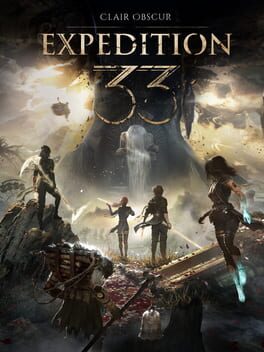
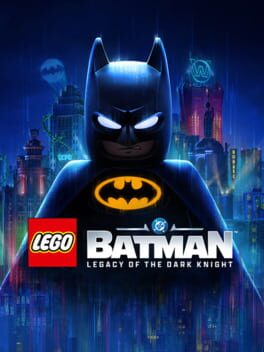
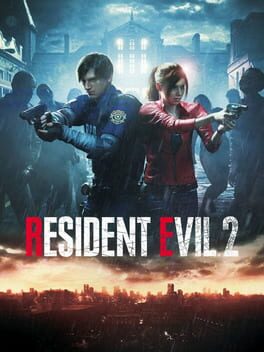
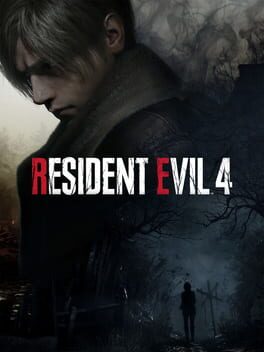

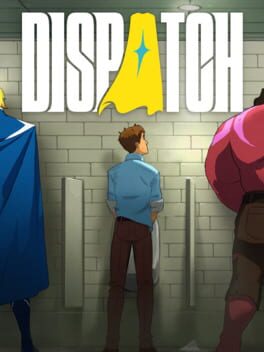
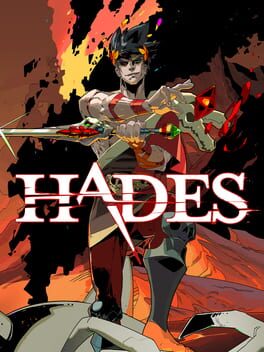
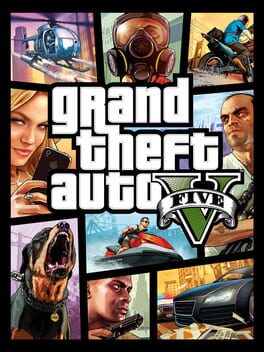


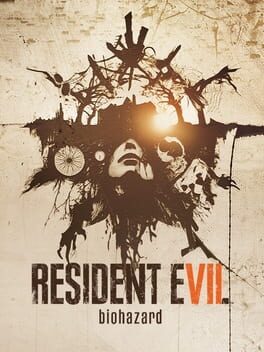
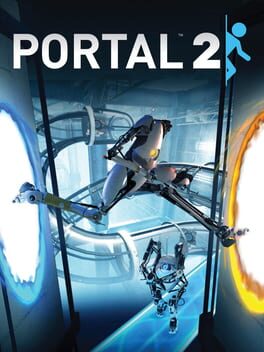
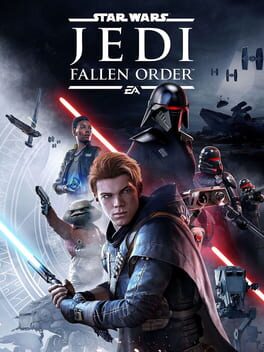
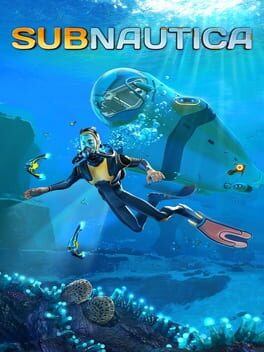
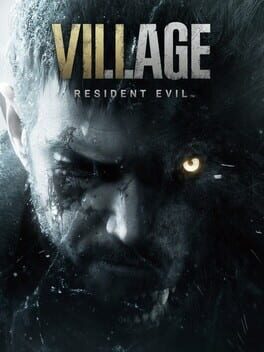
Recently trending
What is Backloggd?
Backloggd is a place to virtually track your game collection. Keep your backlog updated, rate the games you've played and add those upcoming to your wishlist. Share your gaming journey with your friends by following each other to keep up-to-date on your latest play sessions.
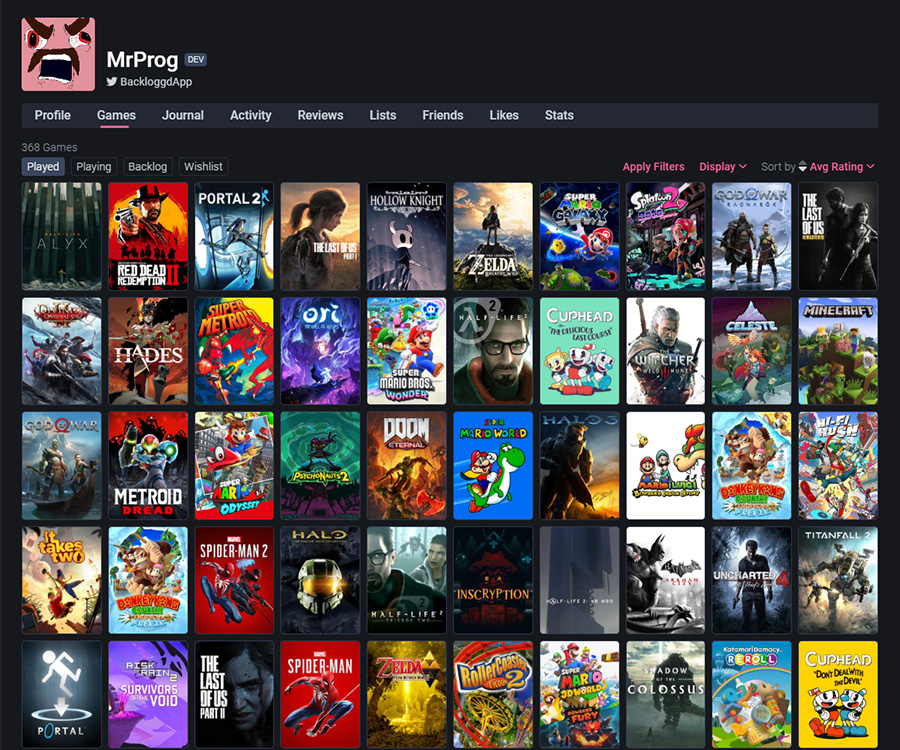
Track your personal game collection
Log any and every game you've played, are currently playing, and want to play. Be as detailed as you want with features such as time tracking, daily journaling, platform ownership and more.
Express your thoughts with reviews
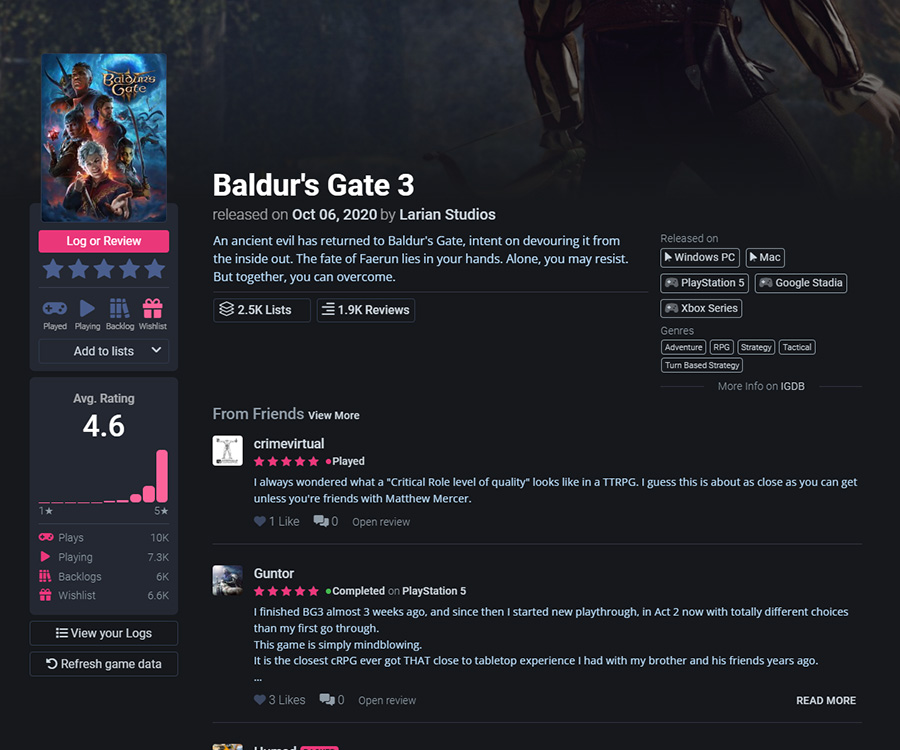
See what everyone is thinking with reviews. Every game has an average rating comprised of everyone's rating to give you a quality score from a glance. Then once you're ready, add your review to define what the game means to you.
Keep up with the latest from friends
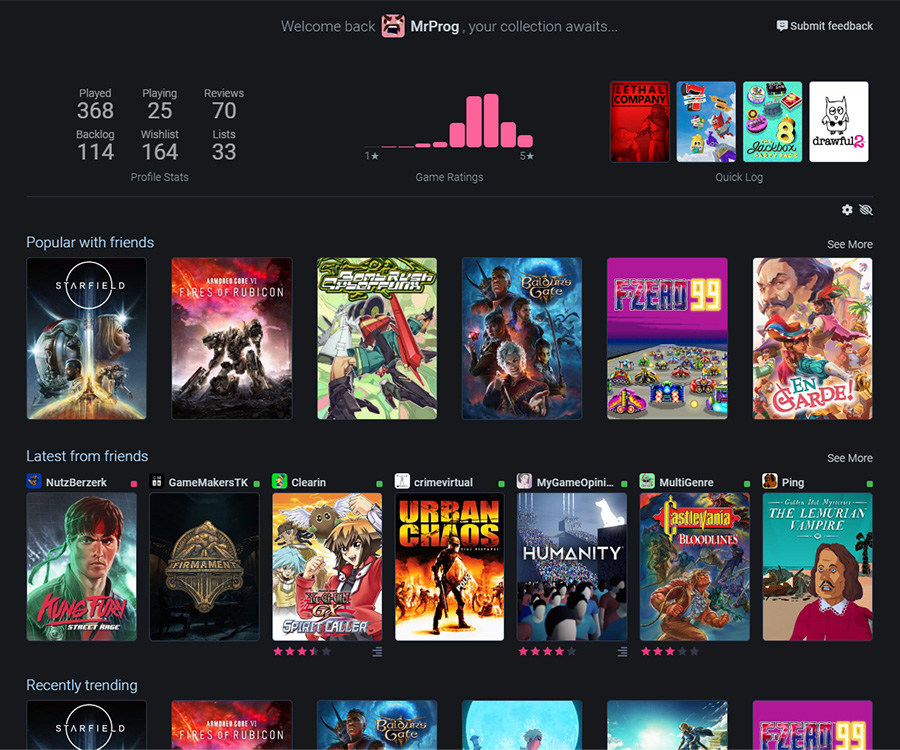
Follow others for an all-in-one activity feed that will keep you updated with their latest gaming progress. Games, reviews, and lists from friends appear directly on your home page so you don't miss a thing.
Create and organize games with lists
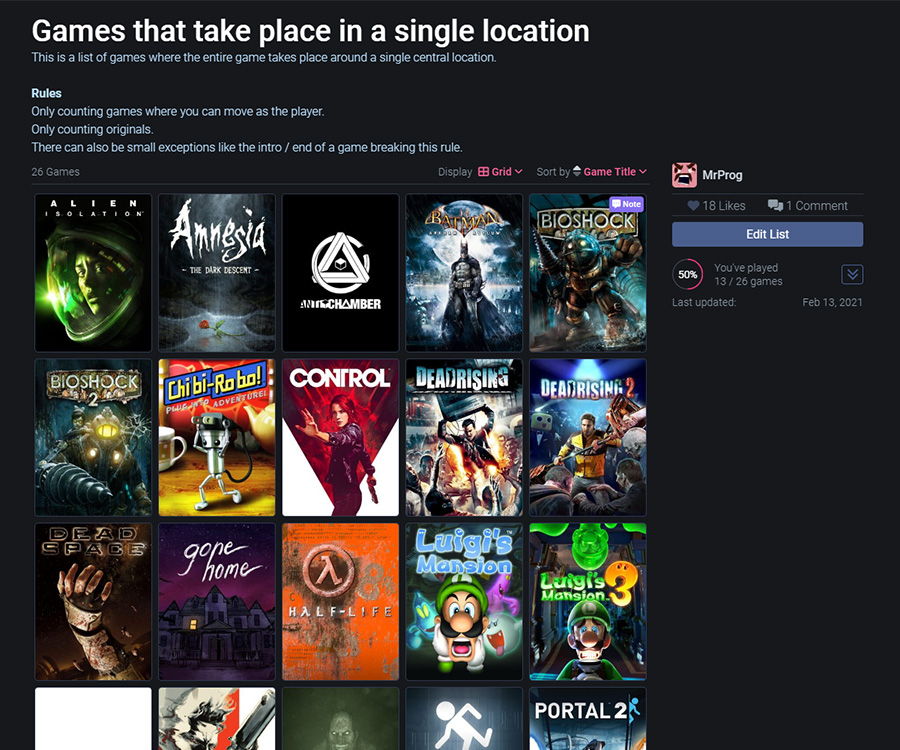
Lists allow you to create a custom collection of games with options such as tracking your progress or enabling rankings. You can then decide to share your list with the community or keep it private to yourself.
Popular reviews
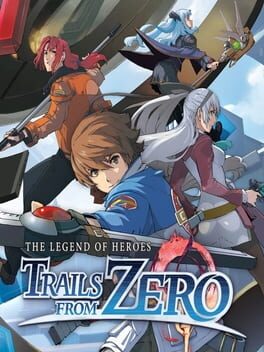
Trails from Zero is a wonderful transition from the Sky games. Crossbell is a well realized location filled with a lot of interesting individuals and further builds upon the fantastic world that is being cultivated to this point. In the time that I got to spend with them, the Special Support Section quickly captivated me and became one of my favorite parties in gaming.
Story:
Despite a story that is overall very strong and ends well, my main gripe with Trails from Zero is that it was hindered by a super slow start that at times felt even slower than the start of Trails in the Sky. I spent nearly 40 hours on the full game with most side content and I'd say that it took about 15-20 hours for the game to really pick up and get going in terms of major story beats. Overall, by the end of the game, it was a distant memory, although one that left a strong impression on me. What I will remember the most about the story is how well the various storylines that were set up throughout the game ultimately came together and the characters that helped to fuel those storylines. Especially a particular plotline from the Sky Trilogy that got resolved here :’)
There are a few plot threads that are left unresolved by the ending and I’m ecstatic to see where things go in Trails to Azure.
Combat:
Not much to mention here, similar combat to the Sky games. A great example of "it ain’t broke don’t fix it." I will give a small shout to the protagonists so far having pretty unconventional weapons (I mainly just mean not having a gun or sword). Estelle with her staff and now Lloyd with his tonfas. I like unique things like that. Regardless, combat was good and Lloyd, Elie, Randy and Tio were fun to have battles with.
Characters:
I LOVE THE SPECIAL SUPPORT SECTION! Such a great group that functions well as a family. Found family is one of my favorite tropes in media and it is expertly executed here. Lloyd, Elie, Randy, and Tio are all distinct characters with their own quirks, strengths, weaknesses, issues, etc., yet they all come together to create such a dynamic team. The support cast also has a ton of standouts: Dudley, Sergei, KeA, Noelle, Arios, Wazy, Estelle, Joshua, Dieter, Bell, Rixia, Illya, and so many more.
Music:
Phenomenal soundtrack, my favorite up to this point.
Closing:
I had a great time with Zero and I’m looking forward to Azure. Zero ends with quite a few major questions remaining and I’m looking forward to seeing them answered. Especially since I have consistently seen Azure touted as one of the best games in the series.
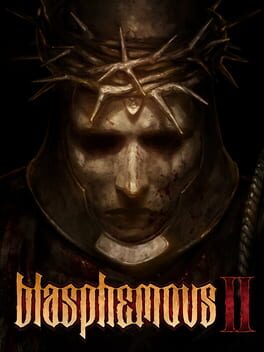
Maybe the biggest thing I enjoyed as a huge Metroidvania fan, was while I liked Blasphemous it felt it was a 2d souls like with Metroidvania qualities sprinkled in where as Blasphemous 2 was a true Metroidvania with some souls like qualities sprinkled in.
The two major things that make Metroidvanias fun to me are the combat and movement. Both of these were majorly upgraded in Blasphemous 2. The combat revolves around 3 distinct weapons: the Veredicto which is a by far the strongest but also the slowest weapon with no defensive abilities, Sarmiento and Centella which is the quick and nimble weapon that takes a lot of jabs to pack its punch, and Ruego Al Alba which is a good mix of both worlds allowing decent speed and power. These 3 can be swapped on the fly at any time. Most enemies have a distinct weapon that feels best against them so it is nice to try everything instead of falling in love with one. There are also different prayers (magic abilities) and rosary (charms) that can be equipped furthering the customization. Overall the combat is more customizable, more varied, and feels more fluid to play. It is a major upgrade from Blasphemous.
Speaking of major upgrades the movement abilities are insanely better than Blasphemous. Blasphemous 2 has several movement abilities that make it feel superior than its predecessor but 2 specifically, the double jump and the air dash, really change how the game flows as well as allowing for much better platforming. It really leaves me scratching my head as to why they left these abilities, that nowadays seem like a foregone conclusion that they will be in any Metroidvania, out of the original. It made the platforming and backtracking so much better.
The art and music in the original were the highlight of the first game in my opinion. Blasphemous 2 continued in the excellence started in the original. The graphics are far superior in Blasphemous 2 but the art style doesn’t change at all because it didn’t need to.
The boss fights were the only thing I was mixed on between the two games. I felt like the boss fights themselves were far superior in Blasphemous 2. Due to the combat mentioned above they all felt better to go against, the felt fair but decently challenging (although I wish they were a tad more difficult), and most importantly they were all fun excluding the final boss (due to the final boss just felt way to easy for a final boss in a game of this quality). The one thing Blasphemous did much better than Blasphemous 2 was the boss design. I still can remember several bosses from the first game that I now played several years ago. I don’t feel like a single boss in Blasphemous 2 will be a boss I remember or think about in 2028.
I didn’t mean to turn this whole review into a Blasphemous vs Blasphemous 2 review. But the fact that I really enjoyed Blasphemous and in this review talked about how much better Blasphemous 2 was should show how much I really enjoyed it. I love the direction the series is going in and I hope that we keep getting more of it. This is an easy recommend for all Metroidvania fans as well as people that just enjoy semi-difficult platformers.
My 2026 Ranked:
https://backloggd.com/u/DVince89/list/games-i-played-in-2026-ranked/
My Metroidvanias Ranked:
https://backloggd.com/u/DVince89/list/-metroidvanias-ive-played-ranked-/
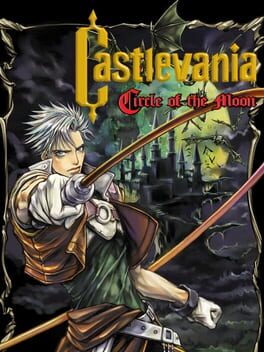
I was admittedly a bit worried upon starting Circle of the Moon. It’s supposedly the weakest game in the series that follows the Metroidvania style, that’s also the only one of said style lacking Koji Igarashi, who happens to be the head of practically every Castlevania project from 2001-2011 and assistant director of SotN. Not to mention it being on the GBA, therefore having limitations, and being the first spiritual successor to Symphony of the Night. It was doomed from the start, and I shouldn’t have liked it, with the Backloggd average score of 3.0 not helping. So… that being said, I genuinely really like this game. Dare I say, I think I love it. It places so much higher than a lot of other games I’ve played this year, and I certainly see the problems people have with it… but I just don’t care? With one or two minor exceptions none of them affected me all that much, so I was fully able to enjoy it. I think this game truly has its own merits, especially as a successor to SotN, which was of course going to be a herculean task. It doesn’t do the exact same thing but again like I expected it to. If anything, I would say it’s the anti-SotN – not in a negative way, but because they are designed so differently, with completely different fundamentals but the same core Metroidvania experience. But it doesn’t make me appreciate the game any less for that.
So how does it feel similar yet different? Well, I think Circle of the Moon operates like a Classicvania in a Metroidvania’s skin. I would refer to SotN’s Richter mode for a comparison, though this feels different still. We’re back to human characters, though not a Belmont this time, with the game following young vampire hunter Nathan Graves. Nathan can only have one weapon equipped (the whip), and just a few slots for arms and armor. It’s less of an RPG experience because of that, though it still has the same concepts, as if it bridges the gap between the two playstyles. While the whip itself can be spun to stop projectiles or weak enemies, it is also naturally stricter than any given sword Alucard could equip, even if the base attack speeds are somewhat similar. The base whip can’t be altered to do more damage (without levelling up and the game’s primary system) or swing faster, or have special attributes, etc. That sounds… bad. Limiting, compared to the expansive and wonderful SotN. But I think the simplicity works very well with the game’s main mechanic.
That would be the Dual set-up system, or the DSS Cards – I hope every game in the series has its own unique system like this that sets itself apart from the rest, because that would be so fun. If you’ve read some of my reviews you can probably tell that I am someone who loves exploring concepts, customizing, and experimenting with different abilities, tools, items, etc. And the more depth there is to them, typically the better. SotN did this well with just the sheer number of things you could attack with and adjust your playstyle. There are different builds for Alucard to excel at different things. Circle of the Moon forgoes having loads of gear and weapons for having significantly less but adding a new system of moves/attacks/weapons to the equation. And these cards are so incredibly fun, they adhere to my preferences perfectly. How they work is that there are 10 different “Action Cards” (Gods with certain strengths, like affecting the whip, boosting certain stats by a percentage, using a different weapon entirely, having defensive abilities, casting familiars, etc.) and 10 different “Attribute Cards” (mythical creatures that have different elements like fire, ice, earth, lightning, holy, etc.). Any Action Card can be equipped with any Attribute Card to boost Nathan’s abilities in different ways, and they range from “normal” to “creative” to “really funny” (like the skeleton, objectively hilarious ability). But they’re all fun to use and mess around with, except for the choice few that are bad/useless, but let’s not worry about that, that's maybe half a dozen out of 100. I love this system, I was always trying new cards as I acquired them, seeing how they could help me, and it felt like really good progression in a unique way from SotN alongside the main abilities. Though I won’t deny that this system could have potential problems. One common complaint I’ve heard about this game is how grindy of a game it is and how necessary it is to grind for both experience and the DSS cards, since they only drop from monsters. I don’t know if I’m just lucky, but I got all but 1 out of 20 cards in the first 10 minutes of finding the new monster, roughly. The only one that took a good while took 30 minutes, but that was the rarest card in the game, and the enemy that dropped it gave such great experience that I earned 3 level-ups if I remember correctly, level-ups that would be put to very good use against the final boss. And it’s not like I had to… If I just wanted to beat the game, I could miss one card, it’s fine. But I wanted to get that card, I wanted to play with another toy. Not only did I get all the rest of the cards fast, but also just naturally going through the areas was enough for me to get 15/20 without even going after them on purpose, purely on accident. It’s worth noting that the Advance Collection does notify when you hit a monster if it has a card drop, so that could’ve impacted my decision to stick around a bit longer near them. But I didn’t even know what the little marker on the bottom right meant (or didn’t pay attention to it at the moment, maybe likely considering it’s me) until I had like… 4 or 5 of them. And at that point the amount of things you can do is already so great, including boosting luck by 25%. Regardless, the point stands that I got cards upon killing the needed monster maybe 5 times or less every single time. 10 if we’re really pushing it, and I’m going to be seeing most enemies 10 or more times throughout the game. I don’t think it’s nearly as much of an inconvenience as everyone makes it out to be, though it’s possible that I’m just exceptionally lucky.
I do sadly have my own personal problem with DSS though. There are so many combinations to mess around with… But a lot of the coolest, most unique ones could only be acquired comfortably in the late game, which is fair. What isn’t is how that couples with how short CotM is and how little there is to do late-game. I uncovered most of the map and got all the DSS cards legitimately, and it was a fun journey, but also only around 10 hours long, despite going for mostly everything. There aren’t really any extra things to do at that point that would make having some of these awesome late abilities worth it. The Battle Arena is really all there is, and you can’t even use them there! The game feels too condensed for this expansive, experimental system. What I would give to see something like DSS implemented in a bigger game like SotN, but alas, this is a GBA title at the end of the day, they had their limits. Speaking of the GBA’s limits…
I think this next one is a very fair issue with this game, and that’s the controls, or at least one aspect of them. It all mostly works so well. R to trigger abilities (like the wall jump upgrade for example), L to trigger the equipped DSS card, along with the basics, attack and jump, a map and a menu. That’s all you need! But Nathan walks very slowly in this game, to such an annoying degree. So, you are given the Dash Boots 5 minutes in that allow you to run if you double tap the directional button when moving. This breaks the control feel. It doesn’t feel good at all, and the exact same thing has been done well on older games! For example, pretty much every single Kirby game works this way, but they’re already left-to-right platformers, so they can get away with it because that action won’t be repeated so often. In a Castlevania game, where you’re constantly going left and right to explore a winding castle and dodging attacks from challenging bosses, that doesn’t really slide.
That being said, I did get used to it over time. It’s certainly a problem, but after a few hours I found myself forgetting about my complaint entirely, it just became natural. I just adapted and found myself annoyed by this flaw maybe once out of every 300 times I used it. But I feel like I’ll need to adapt again if I ever come back to replay this, and that’s certainly annoying.
Well, isn’t this one of the harder games in the series, or at least of the Metroidvanias? So I’d heard, which was another point of concern. I’d already gotten through the toughness of the Classicvanias and now I had to struggle with this? Well… judging by the fact that I was never forced to grind and hardly used healing items save for two instances in the game, I think I did just fine. Honestly, this game is easier for me than almost all the Classicvanias I played, and I’m dead serious. There is one boss that’s brutal, but the rest I beat in 3 tries max, and first-try on most. The enemies here are significantly more dangerous than most of SotNs, but manageable and quite fun to fight with the whip and having to think more. Nathan isn’t as wavy and maneuverable when attacking as Alucard was, and certainly not in the air at that. CotM forces you to think about encounters more just like the Classicvanias but simultaneously features more options to succeed than the majority of them and feels overall fairer. I hardly died throughout the entire runtime by playing defensively and this led to many scenarios where I was a hit away from death narrowly avoiding attacks and making it to the checkpoints in time. The relief I felt in those moments were the best feeling, and I had completely earned my survival. This game is hard but completely fair, even satisfyingly challenging, and I will die on that hill.
Okay, it’s fair except for the Dragon Zombies, which is just an agonizing fight. Might as well segway into the bosses – They’re pretty good! As much as I love SotN for being able to play as a super powerful annihilator, that also means I don’t get to witness bosses do anything in the late part of the game if I just… play normally. Circle of the Moon feels so much more oppressive. No safety, less healing items (though I don’t use them that often in either game anyways), no shop (which is a flaw, I wish there was a shop…). These bosses, for the most part, are honestly very interesting to fight. I’ve heard people complain about boss health values in this game as well, which I think is valid in some cases, though most fights are paced reasonably if you ask me. The two that are buffed way more than they should be are the aforementioned Dragon Zombies and Dracula’s second phase.
The Dragon Zombies’ heads move unpredictably enough for me to get hit very often when I’m just trying to hit them once, carefully. They’re so weird and bendy, on top of having pretty hard-hitting attacks that are hard to avoid when both are attacking on their own, not together. It’s disorienting and them having a collective 200 less health than the final boss when they are roughly halfway through the game is ridiculous. But even the mightiest boss of this game is no match for the DSS system. With enough patience, one of the strongest combinations in the game is Jupiter + Mandragora (Both early on and easy to acquire, too, especially Mandragora). Activating this combination and standing still will heal you at the cost of a good amount of MP per second, but MP refills on its own over time. So, if you can find a place to just rest without being attacked you can have infinite health for the fight. It's a good thing the lip right at the cliff of the entrance to the room is just that and neither of the dragons can attack that space. Yeah, it takes a while, and sure, it’s cheap, but so is this boss.
Dracula’s second phase is considered to be one of his hardest outings, but again, with the right cards, it can be made far more manageable. They’re not even overpowered effects, they’re just good at countering him, and I wouldn’t say it feels like an exploit. Dracula in this game is honestly kind of a bad fight though because what do you mean he has 3000 health? My whip is doing 37 damage to him! And it’s the kind of boss where you have to wait for the weak point to be exposed which just really adds to the pain tremendously. But the first phase of this fight was short when I just went all out with the crosses (Don’t use any other sub weapon, the crosses are so good and so fun), as well as the hardest. The meteor attack is annoying because I can’t react to fireballs coming at me off-screen at Mach 10. This is GBA screen at the end of the day, it’s crunched down! Buuuut, there’s a certain card combination that makes you completely invincible to all attacks so you can just ignore it, as long as you can handle the fast MP drain for a few seconds. The other attacks are easy enough to ignore and still get in good damage with crosses. Then Phase 2 starts and I’m not even going to explain it. It’s arduous. Tedious. It takes way too long, is too safe and uninteresting of a phase, and it’s not a good boss fight in the slightest, I admit that.
But this game, flaws and all has so much to love, and it’s still a Metroidvania! The pacing of progression is just a bit slower than I would want, and the map design isn’t as complex as it was in SotN, but this isn’t SotN! It’s Circle of the Moon, and it has its own identity with its own great values, areas and a super fun system to use that I think are quite respectable. I was able to easily look past all the flaws for everything else the game had to offer, because I personally thought most of them were minor issues. I honestly do think this a great game, and I would love to experience it again… and I might. There’s a class system in this game too, though they act as different playstyles that must be chosen upon starting up the game once more. It might be worth checking out so I can get my fix of more CotM content, but I would also love to see the rest of the series as soon as possible, so we’ll see. This game is understandably unlikeable, but I can’t bring myself to feel the same at all.
2026 Games Ranked
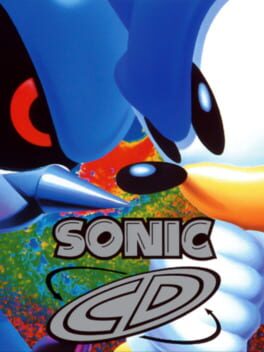
Sonic CD is one of the best early examples of an artist-driven game. Its best qualities stem from a level of unfiltered synergy between the artistic and systemic design of the game: the kinetic worlds in Naoto Oshima's mind aligning perfectly with lush, emergent level design designed to eventually bring it to life. Like Sonic 1, when you're good at this game, it feels really good.
And it dawned on me. Sega discovered the logic behind Super Mario 64's allure three years before the next generation was awkwardly dragged into 3D. Sonic CD has so many of the same strengths AND problems. Mario 64 is particularly unpleasant for newcomers especially without the notched analog stick it was designed around. There's a reason people are particularly black or white on that game and its design: you either consider it a master work of sandbox-style platforming or a clunky antique that aged like milk. This is the mandatory trade-off you make for open design and inscrutability.
It is a risk inherent to emphasizing freedom and emergent design in a game where not demanding explicit constraints, skill checks, and more structured goals inherently filters a lot of people. You're not stupid for not "getting" Sonic CD. I want to nip this in the bud because a lot of praise indirectly downplays the technical craft in the Yasuhara-directed Sonic sequels. But CD in comparison to all of the other classic Sonic games has a ridiculous ocean of depth entirely based around its manipulation of physics.
It's kind of interesting to see my opinions outright invert over six playthroughs: taming the unruly Collision Chaos reveals an open playground of level design allowing me to just barely pull off skips. There are deliberate and obvious points to trigger time travel within the level design, but often times these are relegated to slow routes. The game designers have enough confidence that you don't need the pockets of springs to trigger a past skip, you very much so can manipulate Sonic to time travel STRAIGHT into a robot generator. It gives you an intended path but also has such robust mechanics thanks to Yuji Naka's rock-solid engine that you can completely ignore intentions in favor of something more fun. Sonic does what he wants and this is the game that achieves that ludonarrative harmony better than any other.
I am talking about, of course, the 2011 remake of Yuji Naka's engine. Because in 1993 this game's physics were unreliable enough to betray the spirit of experimentation it promotes. Clipping on subpixel obstacles the player couldn't possibly plan around is bad and it's a good thing that the remake gutted these issues for the most part.
I watched that eight-hour video essay on the Sonic CD and rather than it brainwashing me into adoring every facet of this game's construction, it made me realize: how important even is "level design"? Sonic 1 is an iconic example, a game that feels awkward and punishing on the first few runs that transforms into a relentless flow state speedrun. This doesn't obfuscate the problems with its level construction but still trivializes every poorly placed spike and badnik as another thing to optimize in a run. The jank metabolizes into another obstacle on the race track to maneuver around, and in the worst scenarios this can justify particularly sloppy trends. There definitely is a balance needed.
Sonic CD has bipolar level design, balancing moments of literal ingenuity with Mario Maker shit like the Wacky Workbench generator everyone hates. There are nuances to the game's ramp placements and per-stage gimmicks that should be showcased alongside Level 1-1 in game design courses. It throws into question all of the principles of "good design" that these same courses instill in students and forces me to self-reflect on certain truisms.
SHOULD level design be fair for first-time players?
SHOULD we tirelessly craft intricate, fine-tuned puzzles for players to navigate around?
I think the answer is "sometimes". There's a spectrum here and Sonic CD rests at the very edge of acceptable "un-design". But there's also something to be said about how limiting many rigid precision platformers are and how little room they leave for player expression.
Life doesn't reflect the kind of gamified structure of most platformers, naturally guiding the player along in a way that feels intuitive at all times. So why should every game confine itself to these expectations? Are the "fundamentals" of game design not quite as set in stone as YouTube tells me? Sonic CD pairs legible loop structures and ramps with deliberately assholish springs inches away. It's a terrain.
This game throws away the pursuit of professionalism in favor of a particularly amateurish, youthful passion project by a visionary artist and team. In typical Sega fashion, they jumped on a new shiny piece of technology and capitalized on it with something no one else was willing to try. Nobody was buying this shit, especially not in Japan. I think that gives it a kind of liminal feeling akin to its sibling. It's drowned in an aesthetic register that is distinctly 90s and nothing less, doused in an urban Black flavored soundtrack that is inextricably Genesis Sonic. It can't work without the kinetic philosophy that defines the character -- but when you invest in that, it pays off with a good future.

Coming soon



Recently anticipated
May 27
Dec 31
Dec 31
Dec 31
Jun 25
Sleeper hits
Avg 3.4★
Avg 3.5★
Avg 3.6★
Avg 3.4★
Avg 4.0★
Avg 3.4★