A People of Vision
The Flathead Indian Reservation is home to three tribes, the Bitterroot Salish, Upper Pend d’Oreille, and the Kootenai.



News & Announcements
- Potential Measles Exposure in Missoula County

- CSKT 2025 ELECTION GENERAL FORUM

- Honoring Tribal elder: Frances ‘Plesewe’ Vanderburg
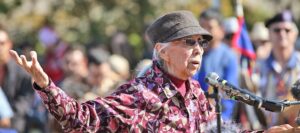 Tribal elder Frances ‘Plesewe’ Vanderburg has passed. Tribal Council ordered that in her honor Tribal flags will be lowered until her services. Frances taught the Salish language and was a frequent speaker of history and culture at numerous… Read more: Honoring Tribal elder: Frances ‘Plesewe’ Vanderburg
 - Suspected Positive SampleIn January 2025, Chronic Wasting Disease (CWD) was first detected on the Flathead Indian Reservation in the Hog Heaven Wildlife Management Unit in a harvested mule deer. Later, in November, a harvested white-tailed deer from the Missions Wildlife… Read more: Suspected Positive Sample
- Second Possible Reservation Case
 Chronic Wasting Disease Case Awaiting Confirmation
 - RFP – CROW CREEK MITIGATION PROJECT
- 2025 Tribal Member Big Game Survey

- 2025 Tribal Council Primary Election – Certified Results (Recount)

- CSKT Suspects Hemorrhagic Disease in elk and white-tailed deer deaths in Hot Springs and Mission Valley Areas
Our Mission & Vision
Our Vision: Maintain Traditional Principles and Values
The traditional values that served our people in the past are embedded in the many ways we serve and invest in our people and communities, in the way we have regained and restored our homelands and natural resources, in the ways we have built a self-sufficient society and economy, in the ways we govern our Reservation and represent ourselves to the rest of the world and in the ways we continue to preserve our right to determine our own destiny.
Our Mission: Be Guided by Traditional Principles and Values
Our Mission is to adopt traditional principles and values into all facets of tribal operations and services. We will invest in our people in a manner that ensures our ability to become a completely self-sufficient society and economy. And we will provide sound environmental stewardship to preserve, perpetuate, protect and enhance natural resources and ecosystems.

Shape the Future of Transportation on the Flathead Reservation!
The Confederated Salish and Kootenai Tribes (CSKT), in partnership with the Department of Transportation’s (DOT) Thriving Communities Program, are working to make transportation across the Reservation more efficient, sustainable, and accessible for everyone.
We need YOUR input!
Your feedback is crucial as we evaluate the feasibility of implementing Electric Vehicle (EV) charging stations and explore options for expanding our public transit services.
By taking a few minutes to complete this survey, you will help us:
- Determine the best locations for new EV chargers.
- Evaluate potential for converting current Tribal fleet vehicles to electric.
- Understand current community needs for public transportation and demand for expanded transit options.
Click here to take the confidential survey: https://bit.ly/4hQj7sX
Your voice matters in driving positive change for our community and environment.
Thank you for your participation!




A People of Vision
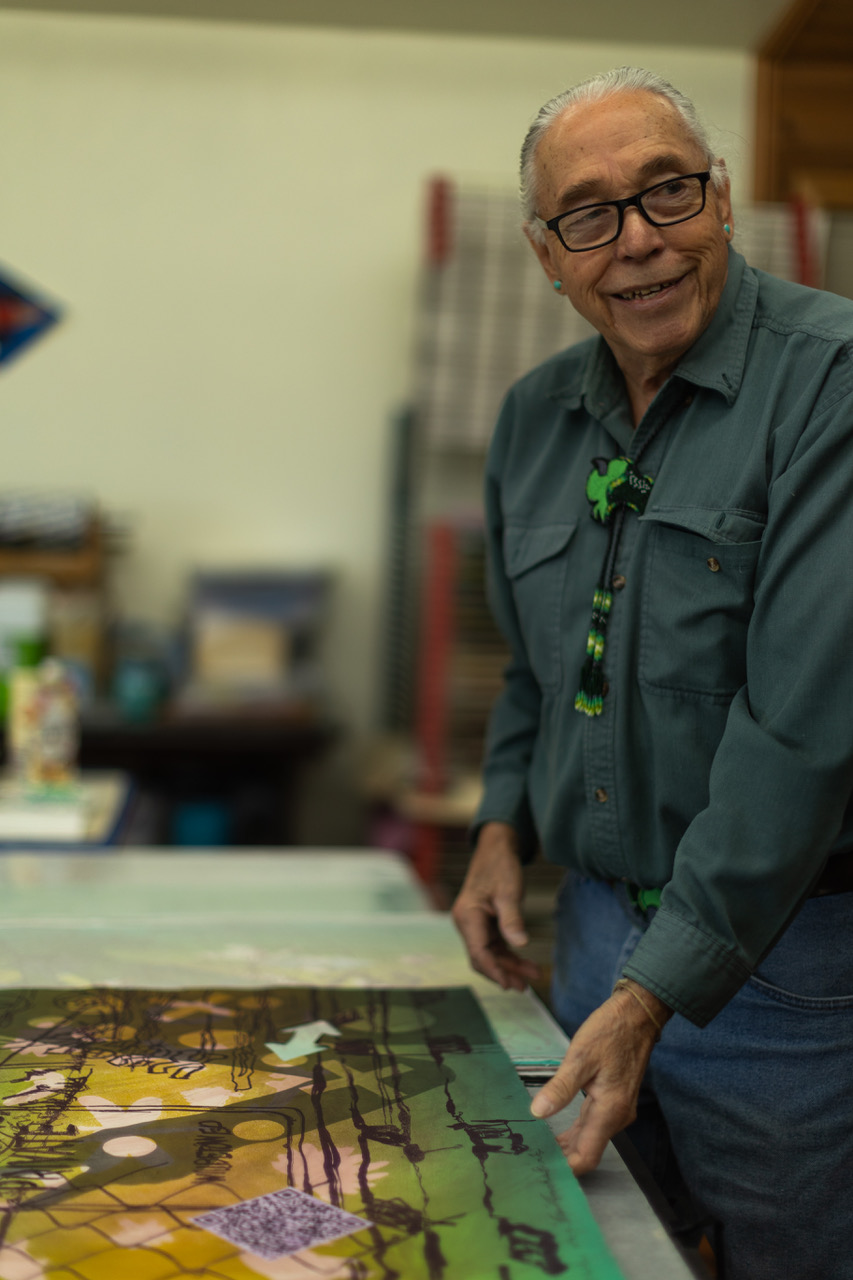
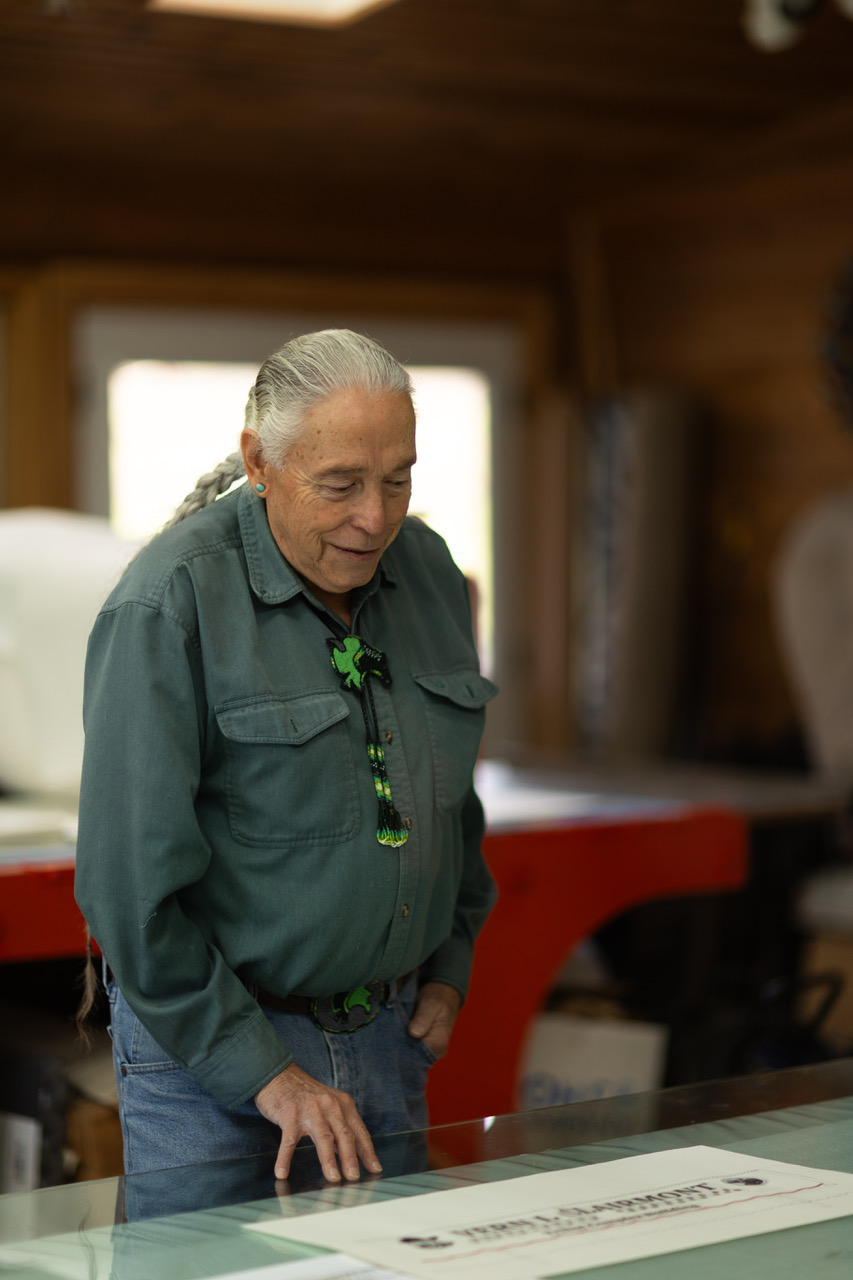
“When I was a student in high school, I entered a competition to design the CSKT seal and was thrilled and excited to learn that my design was selected,” said Corky. “Important concepts found in the design, is a representation of the Tribes past, while also looking forward to our place in the future. Chief Koostatah depicts the rich history and culture of our Tribes, wearing a war bonnet and in a traditional white buckskin outfit, he gazes across the Flathead River with mountains seen in the distance. His gesture is of looking forward for those things yet to come, while also reminding of the preparations needed to address the future wellbeing of our Tribes.”
Corky Clairmont
The official seal of the Confederated Salish and Kootenai Tribes shows one of the last Ksanka traditional leaders, Chief Koostatah, standing on a rock outcropping that overlooks roaring white water.
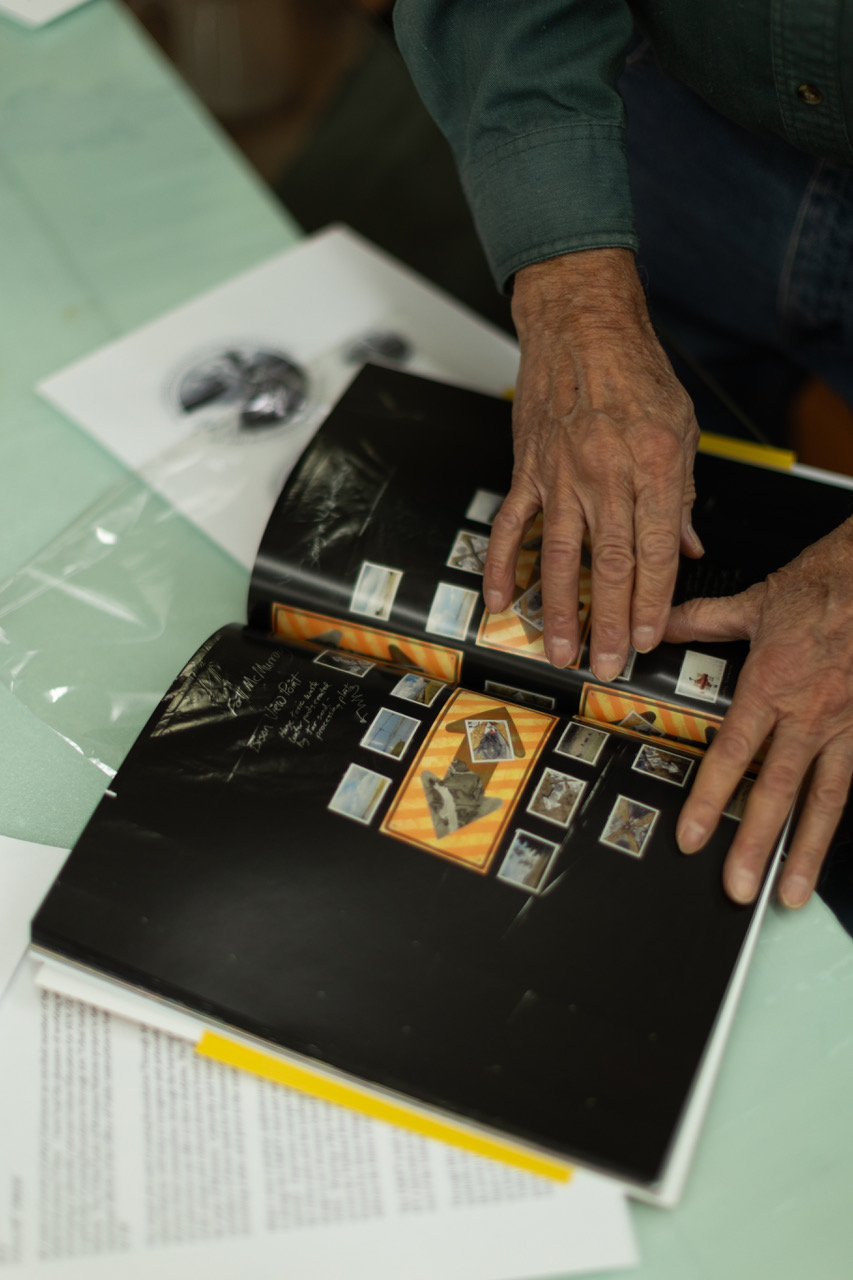
The current seal was inspired by a talented young Tribal Member, Corky Clairmont, who was still in high school at the time the seal was developed. This was the early ‘60s. Today Corky’s artistic legacy endures in the seal of the Tribes, and continues throughout his prolific career in the arts, as an instructor for many years at the Salish Kootenai College and through a lifetime of his many artistry installed and shown throughout the region and beyond.
Corky’s original design was revamped in the early 1980’s, which altered the raised hand of the original to more of a pointing gesture, with additional colors and textures also added.
CSKT Affiliates