


Joe Mathieu (b. January 23, 1949)[1] is a freelance artist who has provided illustrations for Sesame Street books and merchandise since 1972, a year after graduating from the Rhode Island School of Design.[2] Mathieu remembers: "I spent the year following graduation building up my portfolio. Then I went to New York City and I was scared to death. Sesame Street was just starting and wanted someone young and new to set the style for their books, that’s how I ended up at Random House. That led to Jim Henson and the Muppets, and then we really got going, I couldn’t believe how fast."[3]
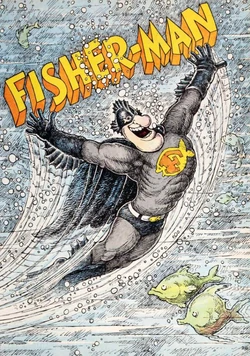
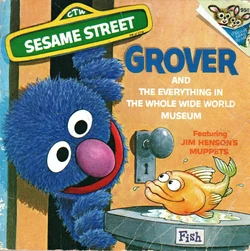
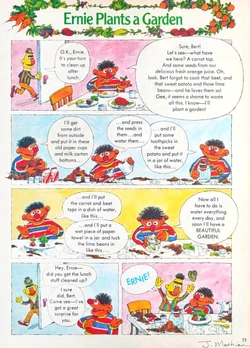
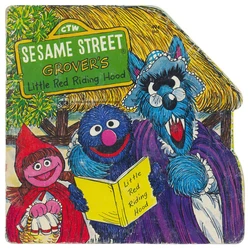
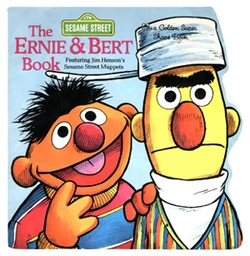
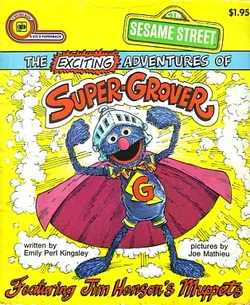
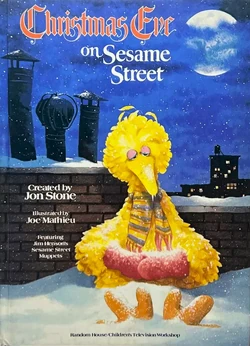
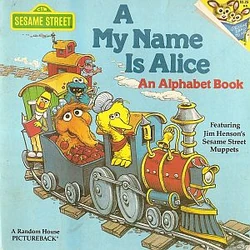
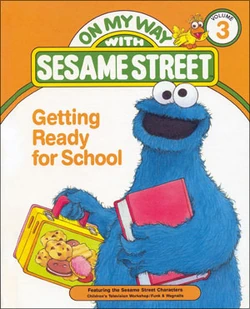
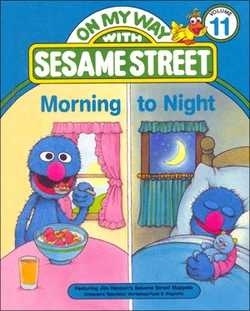
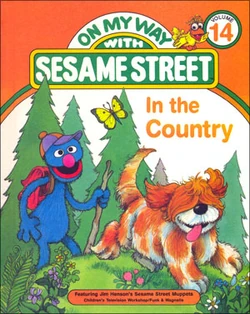
Some notable titles include Cookie Monster and the Cookie Tree, The Ernie & Bert Book and The Exciting Adventures of Super Grover, which was adapted into a video storybook. He also provided artwork for the adaptation of Sesame Street Episode 1839 published as I'll Miss You, Mr. Hooper and the 1978 special Christmas Eve on Sesame Street.
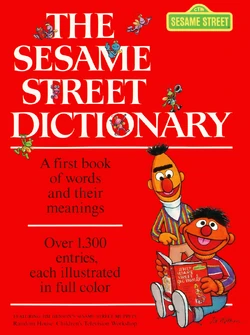
His most extensive contributions have been to The Sesame Street Dictionary in 1980, and hundreds of features and covers for Sesame Street Magazine over the years. The dictionary features illustrations for 1,300 words over the course of 250 pages. When the book was redistributed in volume form, Mathieu provided additional artwork for that as well. It has been printed in a Dutch translation and was reissued in English in 2004.
As an early illustrator for Sesame Street, Mathieu helped set a precedent for character style. This is evident in the 1979 Character Style Guide, which was put together as a reference point for licensors on how the Sesame Street Muppets should be rendered. Around 2004, Mathieu made the transition from his traditional reflective art, to a digital medium. Most of his work for Sesame Street books after this time has been digitally rendered at some point in the creation process.
He has also illustrated other Sesame Street merchandise, such as the lyrics posters for Sing Yourself Silly! and Monster Hits, Sesame Street Live program booklets, and a 1983 collectible Christmas plate made by Gorham.
Other children's books have included the 1999 reissue of The Eye Book and the 2000 reissue of The Tooth Book by Theodor Geisel under the pen name Theo. LeSieg. He also illustrated The King's Beard, based on The Wubbulous World of Dr. Seuss. His affection for Sesame Street is evident in Busy City, a non-Sesame Street book written by Mathieu featuring a set visit to the CTW production. In Elmo's Lift-and-Peek Around the Corner Book from 1996, Mathieu drew Baby Natasha reading one of his books, Big Joe's Trailer Truck from 1974.
Quotes

- "Jim Henson was the art director — he sat down with me and explained to me what he wanted. He gave me free rein to watch the show being taped, which I did a million times. I had carte blanche to visit the Muppet morgue — literally a morgue of old Muppet puppets. I watched how personality was breathed into the puppets by the puppeteers. I used to go to the show tapings, alone for the most part, and sit there and sketch. We didn’t have a color TV, no tape machines. I had to draw in real time."[3]
- "Big Joe’s Trailer Truck was by first big solo thing. I’m an illustrator and I had an opportunity to write a book. I never wrote a book before, but I guess I was just hot because of my association to Sesame Street. I didn’t have a lot of time to make up a town, so I just drew the town I lived in. I didn’t think everyone would recognize it, but they did. That really took off, it was translated into a dozen languages, which I never dreamed of. That was my big hit. I had so many opportunities to work with great writers. I even did a couple of Dr. Seuss books."[3]
- "I fought [digital illustration] every inch of the way. Talk about getting out of your comfort zone — I couldn’t even send an e-mail. I tried everything I could to trick people, but the fact of the matter is, if it’s on paper, the young art directors didn’t want to see it. They’d never seen paper art before. They wanted to do changes on finished art, which for years was sacred. You had to make changes in the sketch phase. There was no way an illustrator could compete without working in digital. The rules had changed dramatically overnight. It became harder to find good paper and paints. Paints I used since the ’60s, (and) the companies, went out of business. I had completely embraced digital work, I never wanted to see a bowl and brush again. I never wanted to go back to all those limitations."[3]
- "I have to be ready to do either one [traditional or digital art]. It’s a different look, for certain things the traditional way is more appropriate. You can do a really beautiful book traditionally for a few that can afford it. But the mass market is there for kids like we started catering to with Sesame Street. I can still do my very best work digitally, and the book can be treated more casually. I like doing both. In the end, traditional style has a certain depth, softness, subtlety that’s not quite in the digital world."[3]
- "My name is pronounced either the American way or the French way... My father, who was in the 5th Marine division on Iwo Jima, would only allow the American version. I like either, but although my family always uses the American pronunciation, I always quietly preferred the French. I will normally use the American unless I am in France or Canada. Please yourself on this one."[4]
Books
* indicates co-illustrator
1972
1974
1975
1976
1976
1977
1977
1978
1978
1979
1981
1982
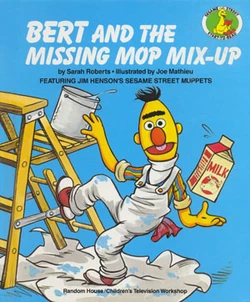
1983
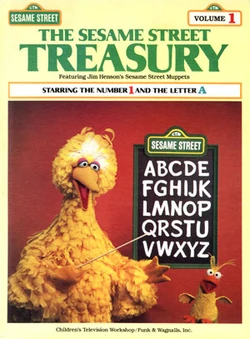
1983
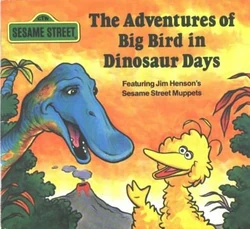
1984
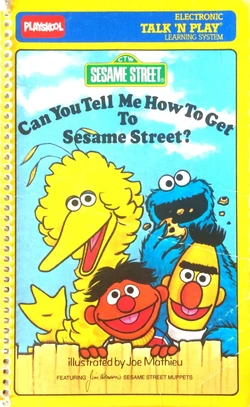
1984
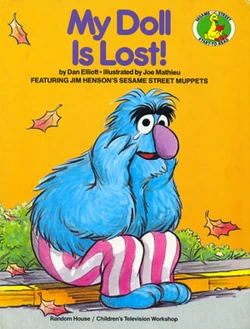
1984
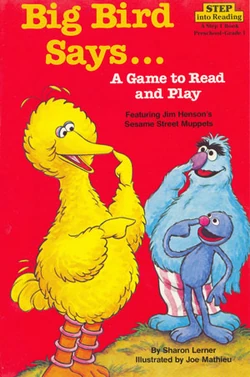
1985
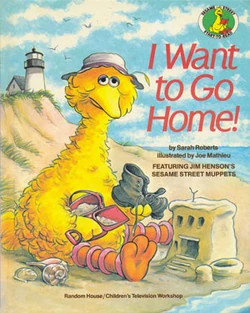
1985
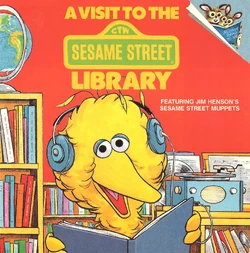
1986
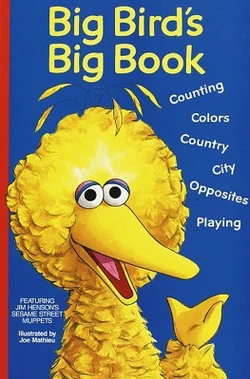
1987
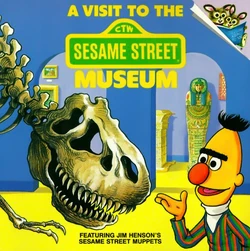
1987
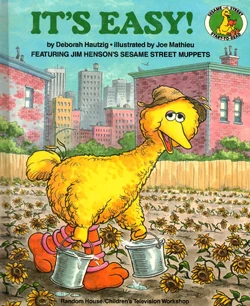
1988
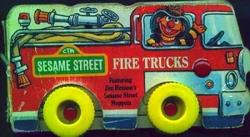
1988
1989
1989
1989
1989
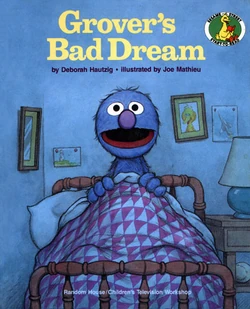
1990
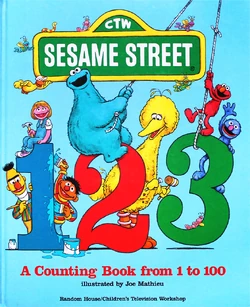
1991
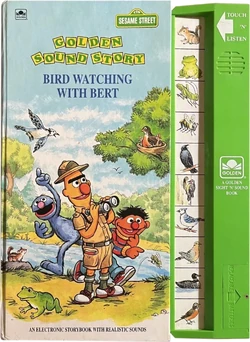
1991

1992
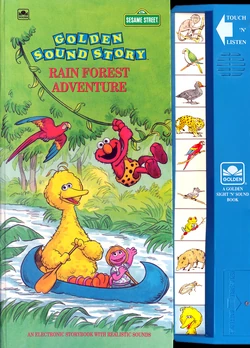
1992
1994
1994
1994
1995
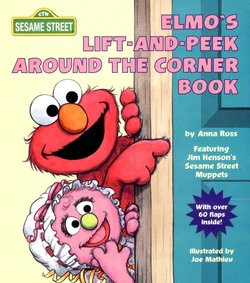
1996
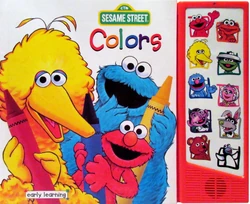
1997
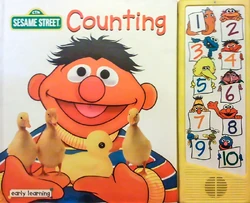
1997
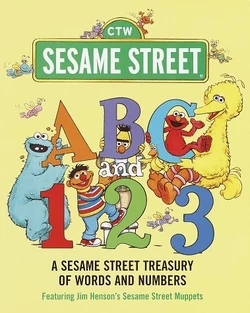
1998
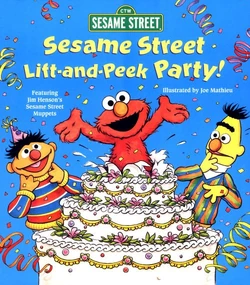
1998
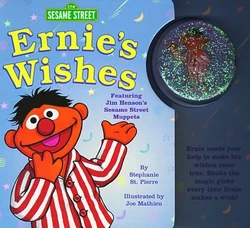
1998
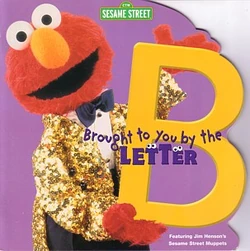
2000
2001
(interiors)
2004

(interiors)
2004

(interiors)
2004
2005
2005
2006
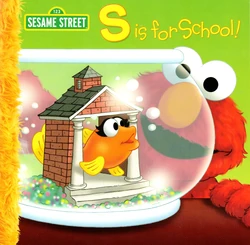
2006
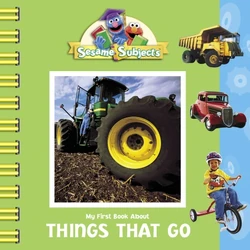
2006
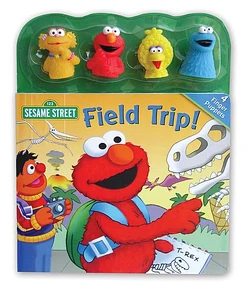
2007
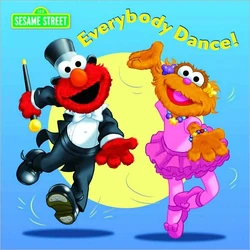
2008
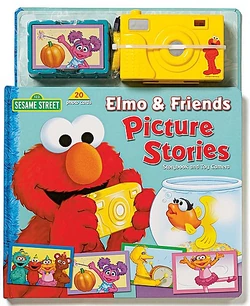
2008
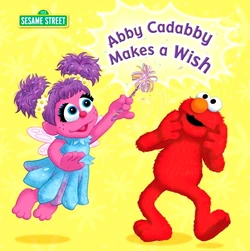
2010

2010
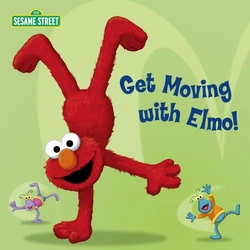
2012
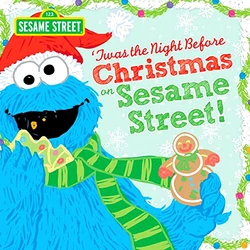
2014
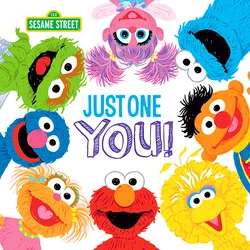
2015
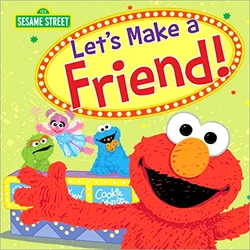
2016
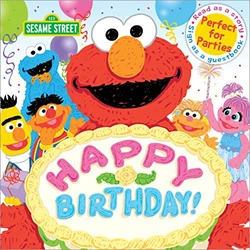
2017
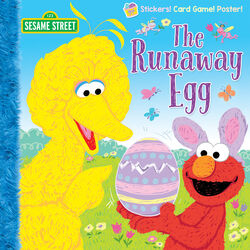
2018
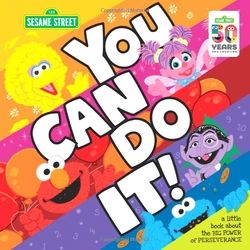
2019
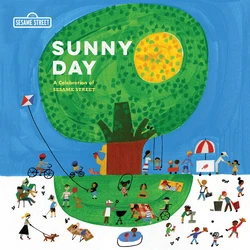
2019

2020
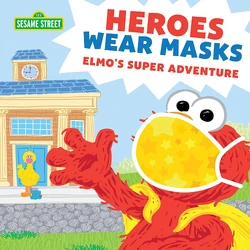
2020
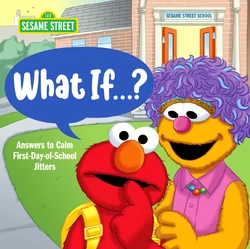
2021
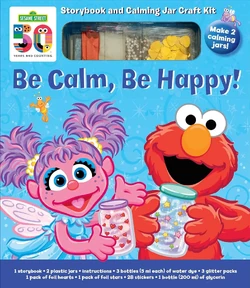
2022
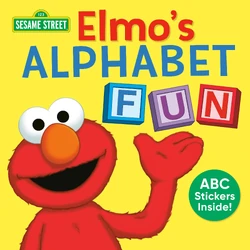
2023
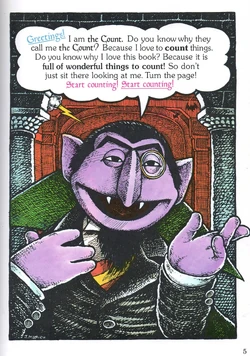
1973
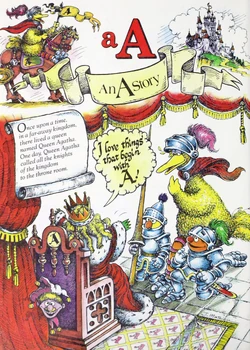
1974
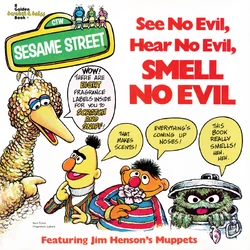
1975
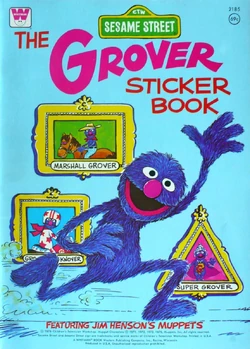
1976
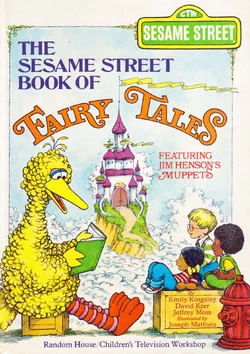
1976
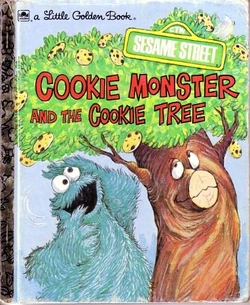
1977
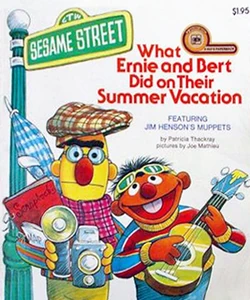
1977
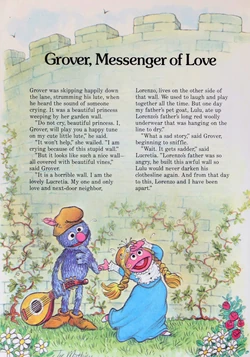
1978
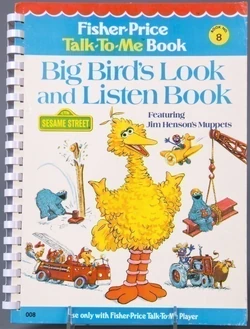
1978
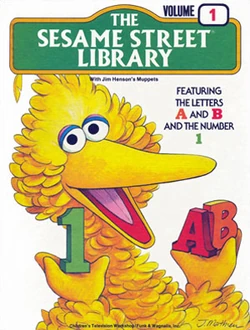
1978
1980
1981
1983
1983
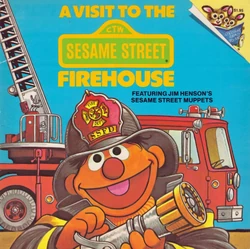
1983

1984
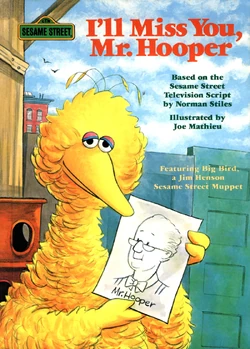
1984
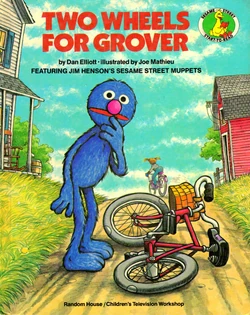
1984
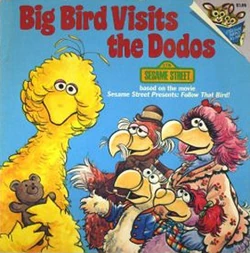
1985
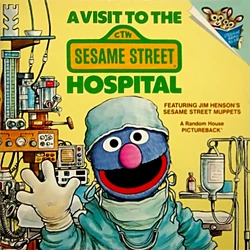
1985
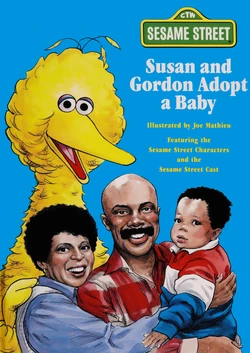
1986
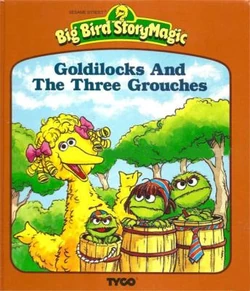
1987
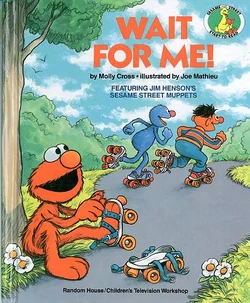
1987
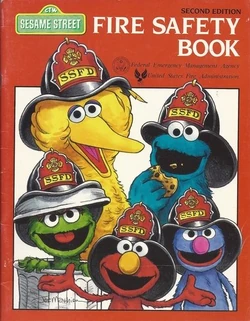
1988
1988
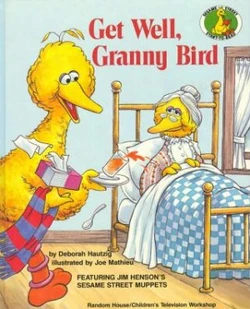
1989
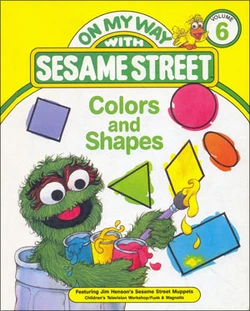
1989
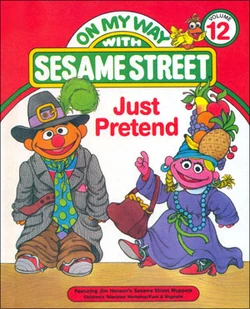
1989
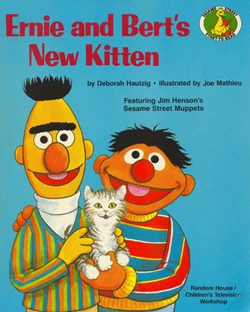
1990
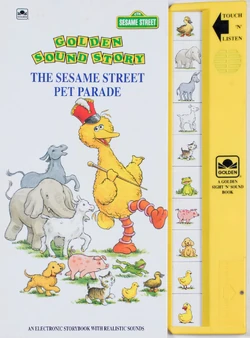
1990
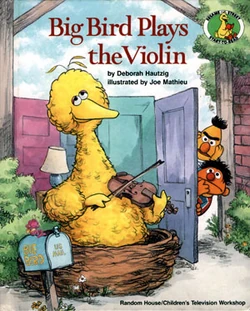
1991
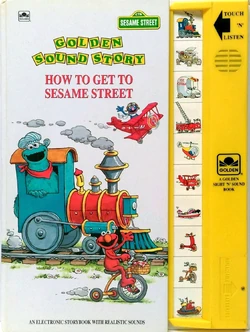
1991
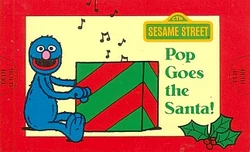
1992
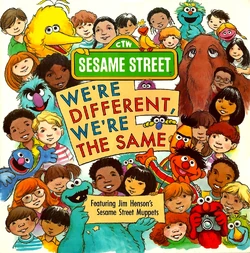
1992
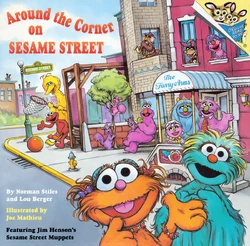
1994
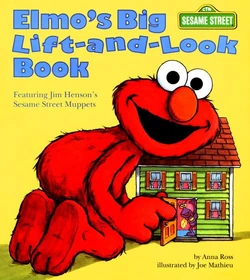
1994
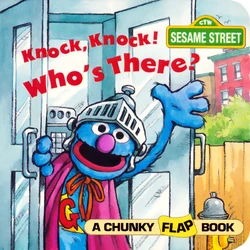
1994
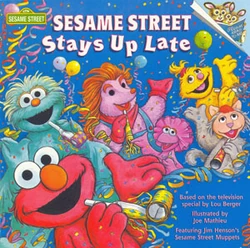
1995
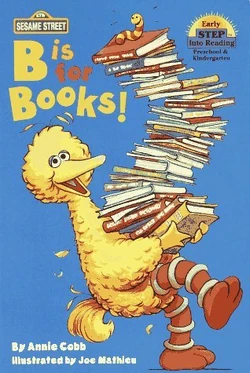
1996
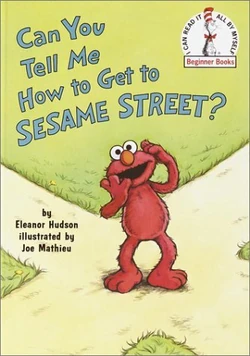
1997
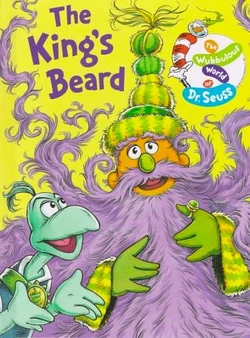
1997
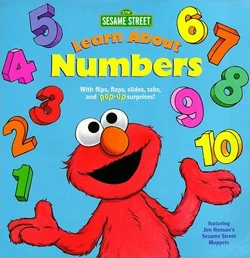
1998
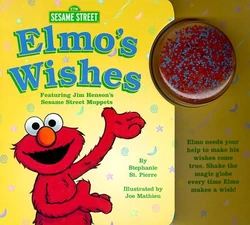
1998
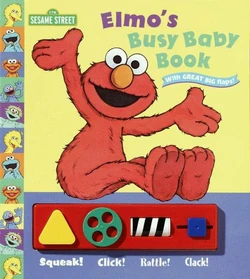
1999
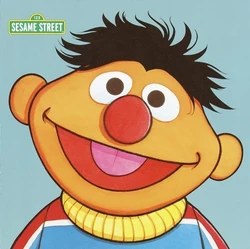
2001
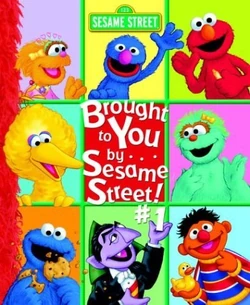
2004

(interiors)
2004

(interiors)
2004
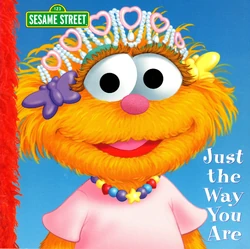
2004
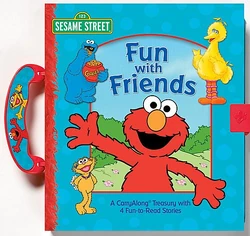
2005
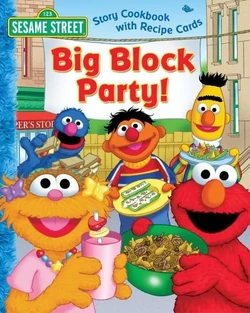
2006

2006
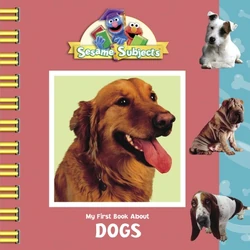
2006
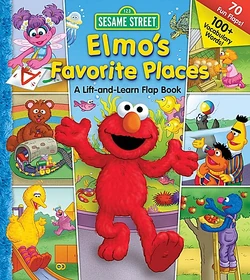
2007
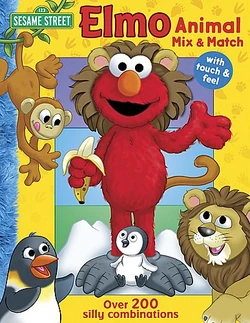
2008
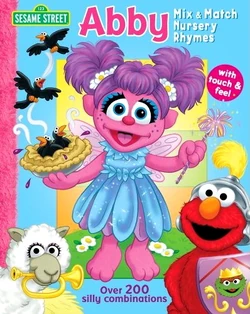
2009
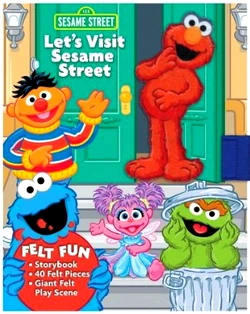
2010
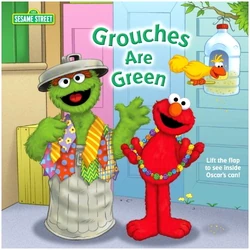
2011
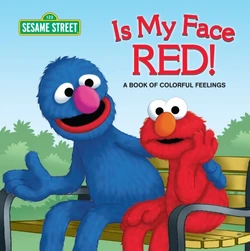
2012
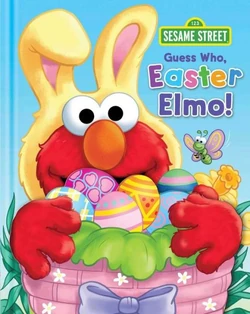
2015
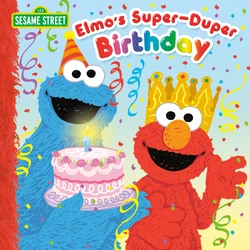
2016
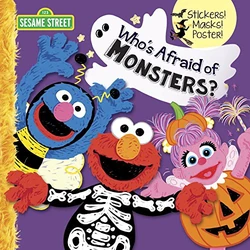
2016
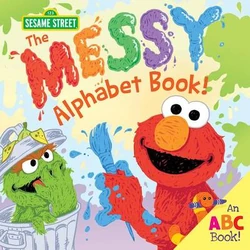
2017

2019
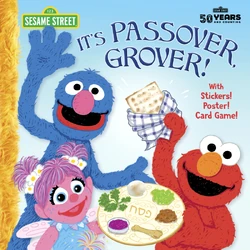
2019
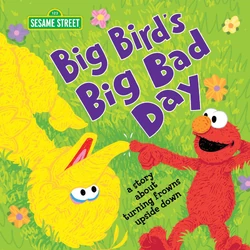
2020

2020

2021
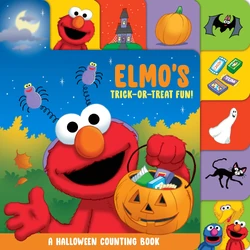
2022
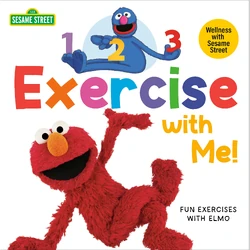
2022
Merchandise

1970s through 2000s

1976

(coloring book)
1977

1977

1979

(program)
1981

1981

1981

1982

(program)
1983

1985

1986

1990

1992

1992

(video game)
1994

(CD-ROM game)
1995

(CD-ROM game)
1995

(program)
1996

(CD-ROM game)
1997

(CD-ROM game)
1998

(CD-ROM game)
1999

unknown date

1975

(coloring book)
1976

1977

1977

1978

(program)
1980

1981

1981

1982

1983

1985

1986


(coloring book)
1989

1990

(program)
1993

(program)
1994

(CD-ROM game)
1995

(CD-ROM game)
1995

(CD-ROM game)
1996

(CD-ROM deluxe sets)
1997

(CD-ROM game)
1998

2004

unknown date
See also
Sources
- ↑ http://www.encyclopedia.com/doc/1G2-3071100065.html
- ↑ joemathieu.com
- ↑ 3.0 3.1 3.2 3.3 3.4 Chiari, Tom. "Q&A with Joe Mathieu, Sesame Street illustrator", Norwich Bulletin, Norwich, CT. March 16, 2010.
- ↑ Clark, Thomas D. Email interview with Joe Mathieu, December 1, 2009.