



Advancing Open Science
A global leader in open access publishing, supporting research
communities and accelerating scientific discovery
 
12 pages, 2452 KB  
Article
Double-Blind Placebo-Controlled Randomized Study of Sporopollenin Exine (SpEC) Fragrance Encapsulation
by Mariam Murad, Pearl Wasif, Laura Dempsey, G. Roshan Deen, Alexandra E. Butler and Stephen L. Atkin
Pharmaceutics 2026, 18(5), 609; https://doi.org/10.3390/pharmaceutics18050609 (registering DOI) - 17 May 2026
Abstract
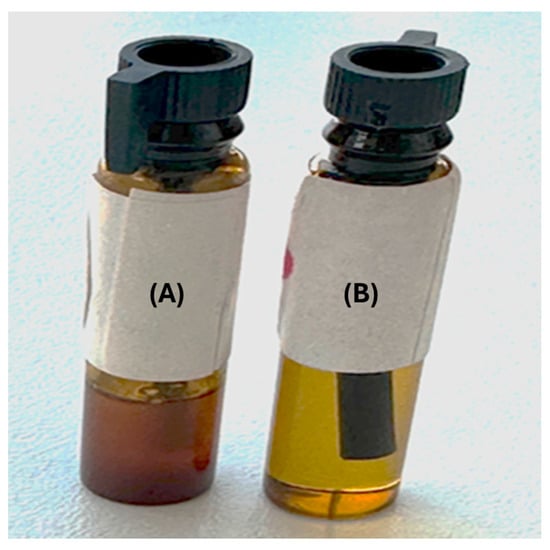
Objective: Sporopollenin exine capsules (SpECs) have been used to encapsulate active pharmaceutical agents for oral drug delivery. This study investigated whether fragrance encapsulated within SpECs prolonged perceived fragrance intensity compared with fragrance oil alone. Methods: A double-blind, placebo-controlled, randomized pilot study [...] Read more.
Objective: Sporopollenin exine capsules (SpECs) have been used to encapsulate active pharmaceutical agents for oral drug delivery. This study investigated whether fragrance encapsulated within SpECs prolonged perceived fragrance intensity compared with fragrance oil alone. Methods: A double-blind, placebo-controlled, randomized pilot study was conducted (clinical trial number: NCT07383337); ten healthy female participants (mean age 35.4 ± 5.6 years) received fragrance with SpEC-encapsulated fragrance (SpECs) on one wrist and fragrance alone (control) on the contralateral wrist. The fragrance intensity was assessed using a visual analogue scale (0–10) by both the participants and an independent blinded reviewer at baseline and after 2, 4 and 8 h. Paired Wilcoxon signed-rank tests and linear mixed-effects models were used for analysis. In vitro cytotoxicity was assessed using an ATP viability assay in human bronchial epithelial (BEAS-2B) cells exposed to SpECs or raw Lycopodium clavatum spores. Results: There were no significant differences between the formulations at baseline. From 2 h onward, SpECs was associated with significantly a higher fragrance intensity compared with the control for both participant-rated (p = 0.03 at 2 and 4 h; p = 0.005 at 8 h) and reviewer-rated assessments (p = 0.02 at 2 h; p = 0.01 at 4 h; and p = 0.008 at 8 h). Mixed-model analyses suggested a greater decline in intensity for control at 8 h for reviewer-rated assessments. In vitro, raw spores significantly reduced cell viability (as an indicator of potential allergenicity), whereas SpECs did not differ from control. Conclusions: Fragrance encapsulation within SpECs significantly prolongs measured fragrance intensity with no evidence of cytotoxicity. These findings support the potential of SpECs as a safe and effective sustained-release platform for topical fragrance formulations. Full article
(This article belongs to the Special Issue Advanced Drug Delivery Systems for Natural Products)
Show Figures

Figure 1

15 pages, 2923 KB  
Article
RT-qPCR-Based Estimation of Phytophthora infestans Sporangia Using the MFS Transporter Gene PITG_13011
by Hua Zhao, Chunyue Liu, Xi Zhang, Qingfeng Qiu, Yangsheng Luo, Xiwang Ke and Biao Gu
J. Fungi 2026, 12(5), 371; https://doi.org/10.3390/jof12050371 (registering DOI) - 17 May 2026
Abstract
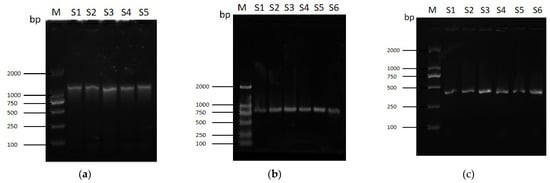
Phytophthora infestans is the causal agent of late blight, one of the most destructive diseases of potato and tomato worldwide. Although qPCR-based methods are widely used to estimate pathogen biomass in infected tissues, methods for specifically assessing sporangial proliferation remain limited. In this [...] Read more.
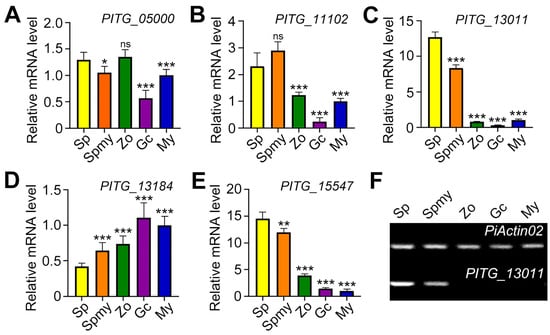
Phytophthora infestans is the causal agent of late blight, one of the most destructive diseases of potato and tomato worldwide. Although qPCR-based methods are widely used to estimate pathogen biomass in infected tissues, methods for specifically assessing sporangial proliferation remain limited. In this study, we developed an RT-qPCR-based assay using PITG_13011, which encodes a predicted major facilitator superfamily transporter, as a sporangia-associated molecular marker in P. infestans. Among five candidate genes selected from transcriptomic data, PITG_13011 showed the strongest association with sporangia-associated samples in our validation assays. PITG_13011 transcripts were detectable from cDNA and genomic DNA derived from as few as 100 sporangia, and transcript abundance showed a strong positive correlation with sporangial number under controlled experimental conditions. In detached leaf inoculation assays, PITG_13011 transcript levels were associated with differences in sporangia-associated proliferation during infection. These results indicate that PITG_13011-based RT-qPCR can serve as a complementary molecular approach for estimating sporangia-associated proliferation of P. infestans in laboratory experiments. This method will be useful when sporangial production, rather than total pathogen biomass alone, is the parameter of interest. Full article
(This article belongs to the Special Issue Fungal Metabolomics and Genomics, 2nd Edition)
Show Figures

Figure 1

16 pages, 316 KB  
Article
Association Between DASH Diet Quality and 24 h Ambulatory Blood Pressure in Treatment-Naive Adults Referred for Diagnostic Monitoring: A Cross-Sectional Study
by Nezihe Otay Lule, Mert Deniz Savcilioglu, Kemal Ozan Lule and Mehmet Murat Sucu
Medicina 2026, 62(5), 974; https://doi.org/10.3390/medicina62050974 (registering DOI) - 17 May 2026
Abstract
Background/Objectives: Dietary adherence to the Dietary Approaches to Stop Hypertension (DASH) pattern is associated with lower blood pressure; however, most prior studies have relied on office-based measurements and non-specific dietary assessment tools. This study examined the association between DASH diet quality, assessed [...] Read more.
Background/Objectives: Dietary adherence to the Dietary Approaches to Stop Hypertension (DASH) pattern is associated with lower blood pressure; however, most prior studies have relied on office-based measurements and non-specific dietary assessment tools. This study examined the association between DASH diet quality, assessed by the validated DASH-Q questionnaire, and 24-h ambulatory blood pressure in treatment-naive adults referred for diagnostic ambulatory blood pressure monitoring (ABPM). Materials and Methods: This cross-sectional study enrolled 227 consecutive treatment-naive adults referred for diagnostic 24-h ABPM at a cardiology outpatient clinic. DASH diet quality was assessed using the validated Turkish version of the DASH-Q questionnaire and categorized as low (<36), moderate (36–49), or high (≥50). Hypertension was defined by ABPM-based thresholds. Multivariable linear regression was performed to identify independent predictors of 24-h mean systolic and diastolic blood pressure, and binary logistic regression was used to evaluate independent predictors of ABPM-defined hypertension, with both models adjusted for age, sex, BMI, smoking, physical activity, and self-reported discretionary salt-adding behavior. Results: DASH-Q total score was the sole statistically significant independent predictor of both 24-h mean systolic blood pressure (B = −1.068, 95% CI: −1.270 to −0.866; β = −0.589; p < 0.001) and diastolic blood pressure (B = −0.560, 95% CI: −0.706 to −0.414; β = −0.470; p < 0.001) in the adjusted models. Each one-unit higher DASH-Q score was also associated with 14.6% lower odds of ABPM-defined hypertension (OR = 0.854, 95% CI: 0.820–0.890; p < 0.001). Higher DASH-Q scores were further associated with a more favorable metabolic profile, including lower LDL cholesterol, triglycerides, glucose, and C-reactive protein levels. Conclusions: DASH diet quality was independently and inversely associated with 24-h ambulatory blood pressure and the odds of ABPM-defined hypertension in this treatment-naive population. Given the cross-sectional design and the possibility of reverse causality, these results should be interpreted as hypothesis-generating and require confirmation in prospective studies. Full article
(This article belongs to the Section Cardiology)
22 pages, 4222 KB  
Article
Feature Transformer and LightGBM Ensemble for Ship Trajectory Recognition Using Real AIS Data
by Songtao Hu, Liang Chen, Qianyue Zhang and Wenchao Liu
Electronics 2026, 15(10), 2152; https://doi.org/10.3390/electronics15102152 (registering DOI) - 17 May 2026
Abstract
The Automatic Identification System (AIS) generates massive volumes of real-world ship trajectory data, providing a critical foundation for maritime ship-type classification. However, existing methods often struggle to simultaneously capture long-range temporal dependencies, maintain computational efficiency, and ensure model interpretability, making accurate multi-class classification [...] Read more.
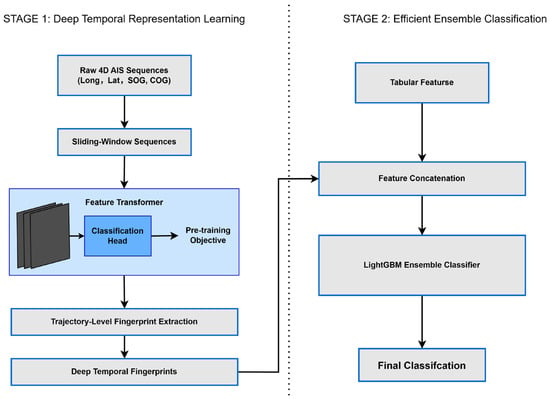
The Automatic Identification System (AIS) generates massive volumes of real-world ship trajectory data, providing a critical foundation for maritime ship-type classification. However, existing methods often struggle to simultaneously capture long-range temporal dependencies, maintain computational efficiency, and ensure model interpretability, making accurate multi-class classification challenging in real-world maritime environments. To address these limitations, this study proposes a robust and efficient hybrid framework that integrates a Feature Transformer module for deep temporal feature extraction with a LightGBM model for ensemble classification. The multi-head self-attention within the Feature Transformer captures long-range dependencies in preprocessed AIS sequences to generate compact 64-dimensional trajectory fingerprints. These deep representations are concatenated with 103 carefully designed kinematic, geometric, statistical, frequency-domain, and segment-level features and fed into a LightGBM classifier for final ship-type identification. We evaluate the framework on a real-world AIS dataset of 2196 trajectories collected between 2019 and 2023, covering 14 ship types under a natural long-tail distribution. Across five random seeds, the proposed hybrid model achieves 78.06% ± 1.15% accuracy (95% CI) and 74.09% ± 1.82% Macro-F1 (95% CI), significantly outperforming Transformer-only (65.09% accuracy) and LightGBM-only (66.85%) baselines, with paired statistical tests confirming the improvement (McNemar χ2 = 172.07, p < 10−39 vs. Transformer; χ2 = 92.24, p < 10−21 vs. LightGBM). The hybrid model offers ultra-fast inference at 0.051 ms per trajectory on GPU at batch size 128 (≈19,500 samples/s), and provides instance-level interpretability via SHapley Additive exPlanations (SHAP) analysis. These properties make the framework practical for near-real-time maritime traffic monitoring and decision support. Full article
Show Figures

Figure 1

11 pages, 255 KB  
Article
Relationship Between Lower-Body Power and Sport-Specific Start Performance in International-Level BMX Riders
by Noel Marcen-Cinca, Pablo Jesús Bascuas and Juan Rabal-Pelay
J. Funct. Morphol. Kinesiol. 2026, 11(2), 198; https://doi.org/10.3390/jfmk11020198 (registering DOI) - 17 May 2026
Abstract
Background: Bicycle Motocross (BMX) performance is strongly influenced by the start phase, which requires rapid force and power production to achieve optimal race posi-tioning; however, the relationship between lower-body power and sport-specific start performance remains insufficiently investigated. Objectives: The aim of this cross-sectional [...] Read more.
Background: Bicycle Motocross (BMX) performance is strongly influenced by the start phase, which requires rapid force and power production to achieve optimal race posi-tioning; however, the relationship between lower-body power and sport-specific start performance remains insufficiently investigated. Objectives: The aim of this cross-sectional study was to assess lower-body muscular performance and analyze its relationship with start performance in international BMX riders. Methods: Ten international-level BMX riders (n = 10) completed a testing battery including squat jump and countermovement jump, force–velocity profile assessment, and a Wingate test preceded by 5 s maximal sprints to determine peak power (PP1, PP2), peak power during the 30 s Wingate test, and mean power. A sport-specific start test was performed on a BMX ramp, with time over the first 15 m recorded using photocell timing gates. Results: StartGate 15 m time showed a large negative correlation with PP2 (r = −0.800, 95% CI: −0.95 to −0.33, p = 0.05), whereas no significant correlations were observed with vertical jump performance or Power Mean Wingate. Strong correlations were observed among laboratory-based power variables. Conclusions: These findings suggest that short-duration peak cycling power may be associated with BMX start performance. However, given the small sample size and the borderline p-value, this relationship should be interpreted with caution. Sport-specific start testing may provide relevant information for performance assessment and training monitoring in international BMX riders. Full article
55 pages, 13469 KB  
Review
Preparation, Characterization, and Applications of Transition Metal Dichalcogenides Nanoscrolls: Recent Development and Prospects
by Jing Ding, Xinyu Fang, Wenjie Feng, Mingxue Xu, Yang Yang and Hai Li
Nanomaterials 2026, 16(10), 613; https://doi.org/10.3390/nano16100613 (registering DOI) - 16 May 2026
Abstract
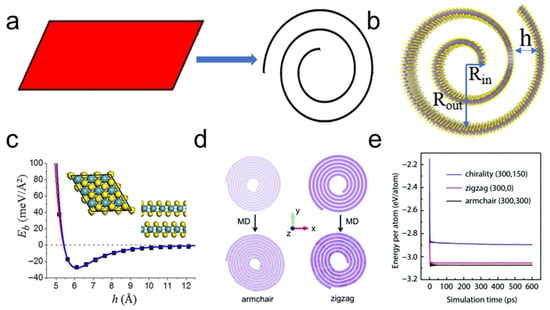
Two-dimensional (2D) transition metal dichalcogenide (TMDC) nanoscrolls have attracted significant attention in recent years owing to their fascinating properties, including high specific surface area, unique electronic structure, and excellent optoelectronic performance. These properties arise from their intrinsic one-dimensional (1D) spiral scroll geometry. In [...] Read more.
Two-dimensional (2D) transition metal dichalcogenide (TMDC) nanoscrolls have attracted significant attention in recent years owing to their fascinating properties, including high specific surface area, unique electronic structure, and excellent optoelectronic performance. These properties arise from their intrinsic one-dimensional (1D) spiral scroll geometry. In this review, we systematically present the preparation methods, properties, and applications of TMDC nanoscrolls. For fabrication, we detail a variety of preparation strategies, both on substrates and in solution. Next, we discuss the characterization and physical properties of TMDC nanoscrolls. Finally, we summarize their applications in photodetection, the hydrogen evolution reaction (HER), optoelectronic synapses, and other related fields. Full article
Show Figures

Figure 1

18 pages, 1589 KB  
Article
Teleconnection-Based Long-Term Precipitation Forecasting Using Functional Data Analysis and Regressive Models: Application to North-Eastern Tunisia
by Farah Ben Souissi, Pierre Masselot, Taha B. M. J. Ouarda and Emna Gargouri-Ellouze
Hydrology 2026, 13(5), 137; https://doi.org/10.3390/hydrology13050137 (registering DOI) - 16 May 2026
Abstract
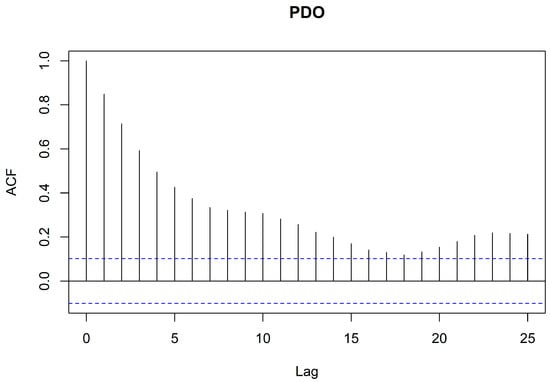
Tunisia is characterized by high precipitation variability, which results in frequent extreme floods and droughts. This study aims to develop long-term forecasting models for total and daily maximum annual precipitation by incorporating information related to climate variability. These models use low-frequency climate oscillation [...] Read more.
Tunisia is characterized by high precipitation variability, which results in frequent extreme floods and droughts. This study aims to develop long-term forecasting models for total and daily maximum annual precipitation by incorporating information related to climate variability. These models use low-frequency climate oscillation indices as predictors. A linear functional model for scalar response is developed for this purpose. The model based on functional data analysis is also compared to a linear regression model. The station under study is located in north-eastern Tunisia. The association between precipitation and four climate indices is evaluated: the North Atlantic Oscillation (NAO), the Pacific Decadal Oscillation (PDO), the Mediterranean Oscillation (MO) and the Western Mediterranean Oscillation (WeMO) climate indices. The results show that both linear and functional regression provide good and comparable results, likely due to the limited length of the data series. NAO, PDO and MO are the best indices to forecast total annual precipitation with an RMSE between 3.564% and 4.151% of the average precipitation, while MO seems to be the best index to forecast daily maximum annual precipitation achieving slightly higher RMSE between 11.174% and 11.916% of the average maximum precipitation. These results suggest that total precipitation at the study station is controlled by large-scale climatic processes operating over the Atlantic, Pacific, and Mediterranean regions, whereas the few most extreme precipitation events are primarily driven by regional climatic phenomena occurring at the Mediterranean scale. The results may have practical applications to improve disaster response preparedness and water resource management. Full article
Show Figures

Figure 1

13 pages, 13139 KB  
Article
Carbonized PBO-Encapsulated Plasma-Activated Carbon Fibers Enabled Enhanced Thermal Conductivity and Mechanical Properties
by Xiaohui Zhang and Guangsheng Huang
Materials 2026, 19(10), 2105; https://doi.org/10.3390/ma19102105 (registering DOI) - 16 May 2026
Abstract
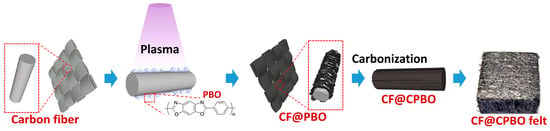
Application of polyacrylonitrile-derived carbon fiber (CF) as a thermal insulation material is restricted by inherently high thermal conductivity. Encapsulation of poly(p-phenylene benzobisoxazole) (PBO) on CF was supposed to improve the mechanical and heat resistance of CF, which would be desired to improve mechanical [...] Read more.
Application of polyacrylonitrile-derived carbon fiber (CF) as a thermal insulation material is restricted by inherently high thermal conductivity. Encapsulation of poly(p-phenylene benzobisoxazole) (PBO) on CF was supposed to improve the mechanical and heat resistance of CF, which would be desired to improve mechanical and thermal-insulating performances. In this work, PBO molecules were uniformly coated onto the surface of air plasma-treated CF. Carbonized PBO-encapsulated CF (CF@CPBO) was prepared via thermal treatment at 600–1400 °C. At higher carbonization temperatures, CF@CPBO exhibited a cleaner surface, more radial graphite layers within fibers, enhanced crystallinity of carbon layers (amorphous to 0.337 nm of interplanar spacing), reduced defective/graphitic content (0.959–0.909 of ID/IG), decline in surface O content (20.1–9.6 at.%) and improved symmetry of the C-C deconvoluted peak. After weaving them into a net and compression molding, CF@CPBO felts with a random distributed structure (no voids and no fiber bundles) presented improved compression strength (10.5–25.6% of enhancement than unmodified CF) and excellent compression-recovery performance (130.9–110.8 MPa) through 10 cycles. Thermal conductivity values of CF@CPBO felts at 30–1800 °C were 0.13–1.42 W/m/K, which were 42.2–62.6% of unmodified CF. This work proposes an efficient strategy for regulating the high-performance organic fiber structure through heat treatment-induced processes. Full article
(This article belongs to the Section Carbon Materials)
Show Figures

Figure 1

16 pages, 18335 KB  
Article
Roles of Indole and Its Derivative in Modulating E. coliCandida albicans Biofilm Formation
by You-Quan Ma and Lan Lin
Int. J. Mol. Sci. 2026, 27(10), 4478; https://doi.org/10.3390/ijms27104478 (registering DOI) - 16 May 2026
Abstract
Candida albicans is the causal agent of invasive candidiasis, which might be lethal in immunocompromised patients. Biofilm formation is considered a key virulence factor of C. albicans and is associated with its elevated resistance to antifungals. C. albicans and bacteria like E. coli [...] Read more.
Candida albicans is the causal agent of invasive candidiasis, which might be lethal in immunocompromised patients. Biofilm formation is considered a key virulence factor of C. albicans and is associated with its elevated resistance to antifungals. C. albicans and bacteria like E. coli are frequently found to form mixed biofilms on biotic or abiotic surfaces, rendering them more refractory to existing antifungals. To investigate how E. coli endogenous indole interplaying with exogenous IAA exerts modulatory effects on dual-species biofilm with C. albicans, an E. coli strain deficient in the indole biosynthetic gene tnaA was constructed, and the enzyme TnaA inhibitor was administered to block the indole production in E. coli monoculture and/or E. coliC. albicans dual culture. Phenotypic assay revealed that indole deficiency attenuated E. coli mono-species biofilm by 12% (tnaA∆ versus WT E. coli), and the lack of indole in the E. coli cell-free culture filtrate abolished the ability to promote C. albicans biofilms, evidenced by the fact that the treatment with WT E. coli culture supernatants exhibited a 1.7-fold promotive effect, while treatment with tnaA∆ displayed no significant difference from the broth control towards C. albicans biofilms. Furthermore, impaired E. coli indole production might disrupt E. coliC. albicans biofilm, as examined by confocal laser scanning microscopy (CLSM). Moreover, indole-3-acetic acid (IAA) was found to exhibit more potent biofilm-modulatory activity than indole by CLSM imaging with dual biofilms of WT E. coliC. albicans, in contrast to those of E. coli tnaA∆–C. albicans post-supplemented with exogenous IAA. This study provides evidence for indole as a signaling molecule mediating bacterial–fungal communication during mixed-biofilm formation. Indole and its derivatives, particularly in combination with existing antifungals, have potential in the development of anti-biofilm strategies to eradicate refractory fungal infections. Full article
(This article belongs to the Special Issue Microbial Biofilms in Health and Disease: Molecular Perspectives)
Show Figures

Figure 1

5 pages, 2834 KB  
Interesting Images
Macular Hemorrhage as the First Manifestation of Leukemia
by Bogumiła Wójcik-Niklewska, Natalia Kwasniewska and Adrian Smędowski
Diagnostics 2026, 16(10), 1518; https://doi.org/10.3390/diagnostics16101518 (registering DOI) - 16 May 2026
Abstract
Acute lymphoblastic leukemia (ALL) is a malignant neoplasm of the blood and bone marrow characterized by the uncontrolled proliferation of precursor cells of B- or T-lymphocyte lineage. Usually, the disease arises because of spontaneous mutations in bone marrow cells. Risk factors include genetic [...] Read more.
Acute lymphoblastic leukemia (ALL) is a malignant neoplasm of the blood and bone marrow characterized by the uncontrolled proliferation of precursor cells of B- or T-lymphocyte lineage. Usually, the disease arises because of spontaneous mutations in bone marrow cells. Risk factors include genetic predisposition, exposure to ionizing radiation, prior chemotherapy or radiotherapy, and certain environmental factors. Clinical manifestations may include recurrent infections, anemia, and an increased tendency toward bleeding and stroke. A 12-year-old boy presented to the emergency department with a sudden decrease in visual acuity in the right eye. Best-corrected visual acuity (BCVA) in the right eye was 0.02, and intraocular pressure (IOP) was 16 mmHg. Ophthalmologic examination revealed a macular hemorrhage in the right eye. Blood samples were obtained for laboratory analysis. Complete blood count demonstrated leukocytosis with a white blood cell (WBC) count of 362.58 × 10³/µL, thrombocytopenia with a platelet (PLT) count of 87 × 103/µL, hemoglobin (Hgb) level of 8.7 g/dL, and a red blood cell (RBC) count of 3.46 × 10⁶/µL. The patient was subsequently referred to the Department of Pediatric Hematology, where the diagnosis of acute lymphoblastic leukemia of B-cell precursor origin was confirmed. Appropriate systemic therapy targeting the underlying disease was initiated. Full article
(This article belongs to the Section Clinical Diagnosis and Prognosis)
23 pages, 2209 KB  
Article
Geographic Influence on Secondary Metabolite Profiles in Leaves of the Endemic Agathosma betulina (P.J. Bergius) Pillans. in the Western Cape Province, South Africa
by Nompumelelo H. Mnisi, Rotondwa P. Gunununu, Luvolwethu Dukashe, Manaka J. Makgato, Azwimbavhi R. Mulidzi, Callistus Bvenura and Ngwatshipane M. Mashabela
Int. J. Mol. Sci. 2026, 27(10), 4486; https://doi.org/10.3390/ijms27104486 (registering DOI) - 16 May 2026
Abstract
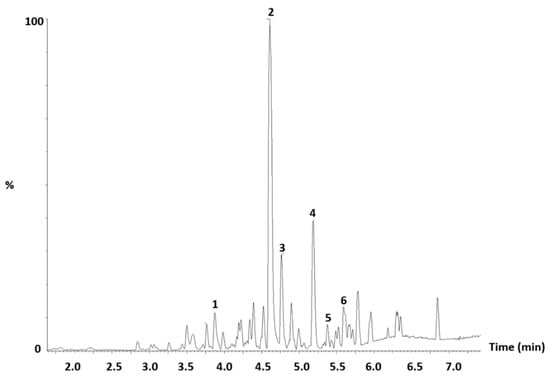
The role of medicinal plants in primary healthcare and livelihoods around the world is both ancient and well-documented. Agathosma betulina (P.J. Bergius) Pillans, commonly known as ‘buchu’, has long been utilised in traditional medicine as a household remedy for various ailments and is [...] Read more.
The role of medicinal plants in primary healthcare and livelihoods around the world is both ancient and well-documented. Agathosma betulina (P.J. Bergius) Pillans, commonly known as ‘buchu’, has long been utilised in traditional medicine as a household remedy for various ailments and is also valued for its essential oils in the cosmetics and pharmaceutical industries. This study aimed to profile and quantify the secondary metabolites in buchu using ultra-performance liquid chromatography quadrupole time-of-flight combined with mass spectrometry (UPLC-QTOF-MS) techniques, whereby plant material from three distinct locations in the Western Cape Province, Groot Winterhoek, Citrusdal, and Cederberg, was collected. A total of 32 maker compounds were identified from buchu leaves. The results revealed a significant location-dependent variation in the accumulation of multiple classes of phytochemicals, including phenolic acids, flavonoids, saponins, terpenoids, oligosaccharides, vitamins, and steroids. Citrusdal samples had the most bioactive compounds compared to the Cederberg and Groot Winterhoek. Citrusdal had the highest flavonoid levels, while Cederberg samples were the richest in phenolic acids and Groot Winterhoek was dominant in iridoid glycoside levels. Principal component analysis (PCA) revealed distinct clusters corresponding to the three different regions, confirming chemical differences. Elucidating the distribution of secondary metabolites in this species may provide new information for possible medicinal and pharmacological uses, such as the creation of novel and enhanced organic medications and food products. These results will aid in selecting a buchu chemotype with optimal attributes for the intended therapeutic application, helping to protect wild populations from over-exploitation through cultivation. Full article
Show Figures

Figure 1

31 pages, 10121 KB  
Article
Effects of Second-Order Wave Forces on the Extreme Response Estimation of the TLP Offshore Wind Turbine Under Multi-Directional Wind-Wave Loads
by Jiahao Mu, Wei Shi, Linyang Cao, Jinghong Shang, Xu Han, Yang Yang, Liang Liu and Guangyuan Cheng
J. Mar. Sci. Eng. 2026, 14(10), 921; https://doi.org/10.3390/jmse14100921 (registering DOI) - 16 May 2026
Abstract
As offshore wind energy advances into deeper waters, the dynamic response and safety assessment of tension leg platform (TLP) wind turbines under complex marine conditions have become focal research points. This study investigates a 15 MW TLP wind turbine, acquiring data on motion [...] Read more.
As offshore wind energy advances into deeper waters, the dynamic response and safety assessment of tension leg platform (TLP) wind turbines under complex marine conditions have become focal research points. This study investigates a 15 MW TLP wind turbine, acquiring data on motion responses, mooring tensions, and tower-base loads through time-domain analysis, with extreme value estimation conducted using the mean up-crossing rate method. The results indicate that under normal operating conditions, second-order wave forces significantly influence extreme response estimation. At an exceedance probability of 0.01, the second-order sum-frequency force increases the extreme tower base shear by 4.28% and the bending moment by 10.11% compared to the first-order-only case, while the difference-frequency force has a minor effect. Different wind-wave incidence angles cause distinct variations in turbine motion, with head-on incidence exciting the largest wave-frequency responses and lateral incidence producing relatively weaker excitation effects. Furthermore, the coupling effect between incident direction and second-order wave forces further amplifies extreme response risks. Therefore, it is essential to fully assess the prevailing wind-wave directions in the target sea area and consider the effects of second-order wave forces, especially the sum-frequency component, to ensure the long-term safe operation of TLP wind turbines under complex sea conditions. Full article
(This article belongs to the Special Issue Resilient Offshore Structures: Design, Analysis and Optimization)
25 pages, 1885 KB  
Article
Defending Against Ambiguity Attacks: Secret-Key-Driven DNN Watermarking for Ownership Verification
by Shouxi Hao and Rong Huang
Electronics 2026, 15(10), 2150; https://doi.org/10.3390/electronics15102150 (registering DOI) - 16 May 2026
Abstract
Deep neural networks (DNNs) have become important intellectual assets, and ownership verification for misappropriated DNNs is increasingly important in Machine Learning as a Service (MLaaS) settings. Among existing DNN watermarking methods, backdoor watermarking is a typical approach for deployed ownership verification. However, existing [...] Read more.
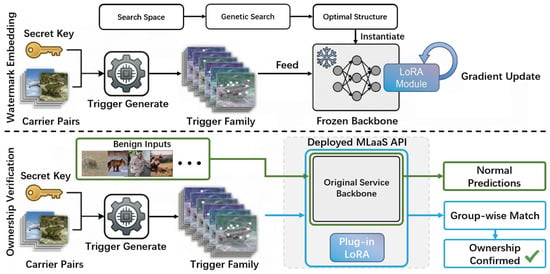
Deep neural networks (DNNs) have become important intellectual assets, and ownership verification for misappropriated DNNs is increasingly important in Machine Learning as a Service (MLaaS) settings. Among existing DNN watermarking methods, backdoor watermarking is a typical approach for deployed ownership verification. However, existing methods still face two limitations. When verification relies on a finite trigger set, forged ownership evidence becomes difficult to rule out once the trigger samples are leaked or closely imitated. In addition, when watermark embedding modifies the service backbone, the predictor used for routine service is directly altered rather than kept unchanged. To address these limitations, we propose a backdoor DNN watermarking framework that combines secret-key-driven trigger group construction with a plug-and-play LoRA component. The proposed method regenerates the trigger groups used for verification from benign image pairs under a valid key whenever ownership needs to be checked, so ownership verification no longer depends on a finite stored trigger set. Meanwhile, watermark embedding is carried by an external LoRA component rather than by modifying the service backbone. In addition, we further optimize the LoRA configuration through a genetic search. Experiments on five benchmark datasets show that under the intended deployment protocol, the proposed method keeps the service predictor unchanged, enables effective ownership verification, and makes it difficult for attackers without the valid key to reproduce the verification behavior of the legitimate watermark under a large number of repeated attack trials. Full article
(This article belongs to the Special Issue Security and Privacy for AI, 2nd Edition)
Show Figures

Figure 1

25 pages, 2543 KB  
Article
Ultrasound-Assisted Extraction of Polysaccharides from Pleurotus ostreatus By-Products: Box–Behnken Optimization and Low-Fat Cookies Formulation
by Patricia Bermúdez-Gómez, Vanessa Grifoll, Paula Bravo and Margarita Pérez-Clavijo
Foods 2026, 15(10), 1764; https://doi.org/10.3390/foods15101764 (registering DOI) - 16 May 2026
Abstract
Spent mushroom substrate (SMS), the main by-product of mushroom production, is rich in valuable compounds that could be recovered by ultrasound-assisted extraction (UAE) and exploited as fat-mimetic functional ingredients in food formulations. In this study, low-fat cookie prototypes were developed by incorporating a [...] Read more.
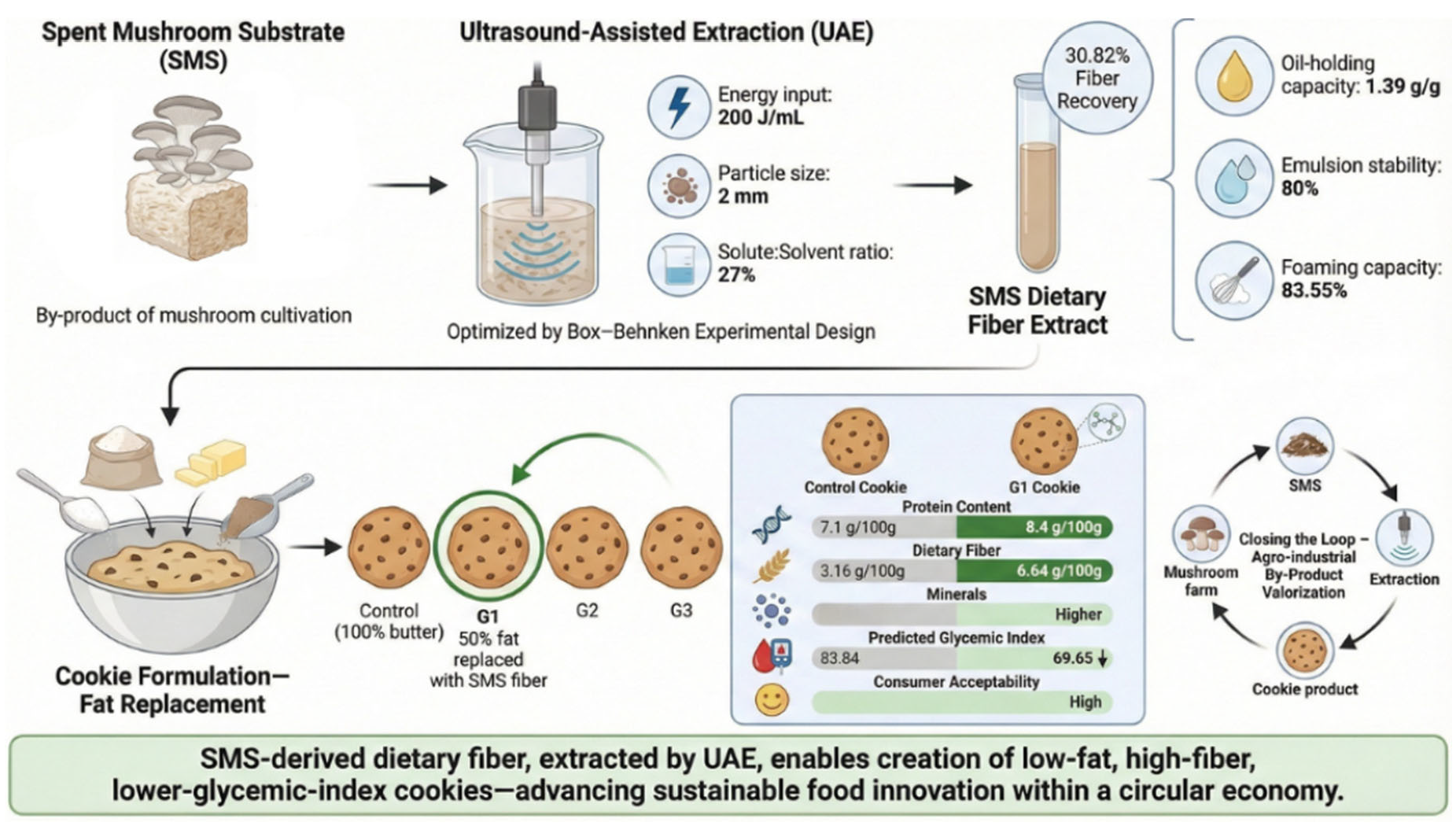
Spent mushroom substrate (SMS), the main by-product of mushroom production, is rich in valuable compounds that could be recovered by ultrasound-assisted extraction (UAE) and exploited as fat-mimetic functional ingredients in food formulations. In this study, low-fat cookie prototypes were developed by incorporating a dietary fiber extract obtained from SMS using UAE. The extraction process was optimized following a Box–Behnken experimental design, identifying optimal conditions at a specific energy input of 200 J/mL, a particle size of 2 mm, and a solvent-to-solute ratio of 27%, yielding a dietary fiber recovery of 30.82%. The optimized SMS extract exhibited high oil-holding capacity (OHC) (1.39 g/g), emulsion stability (ES) (80%), and foaming capacity (FC) (83.55%). Four cookie formulations were evaluated, among which G1 (50% fat replacement) showed the best balance between consumer acceptability and an improved nutritional profile, characterized by higher protein (8.4 g/100 g), total dietary fiber (TDF) (7.10 g/100 g), and mineral contents. Notably, G1 cookies displayed a significant reduction in predicted glycemic index (pGI), decreasing from 83.84 in the control to 69.65. Overall, these results demonstrate that optimized SMS-derived dietary fiber is an effective functional ingredient for the development of low-fat, high-fiber, and reduced-glycemic cookies, contributing to the valorization of agro-industrial by-products within a circular economy framework. Full article
Show Figures

Graphical abstract

36 pages, 1178 KB  
Review
A Comprehensive Review on Electric Vehicles: Technologies, Performance Optimization, and the Role of Quantum Computing
by Zeinab Teimoori and Isaac Latta
Energies 2026, 19(10), 2405; https://doi.org/10.3390/en19102405 (registering DOI) - 16 May 2026
Abstract
Electric vehicles are an integral part of transportation electrification and are increasingly embedded within smart-grid-integrated energy systems that support accessibility, efficiency, and reduced environmental impact. As electric vehicle adoption grows, new challenges emerge in intelligent vehicle control, energy management, load management, and EV [...] Read more.
Electric vehicles are an integral part of transportation electrification and are increasingly embedded within smart-grid-integrated energy systems that support accessibility, efficiency, and reduced environmental impact. As electric vehicle adoption grows, new challenges emerge in intelligent vehicle control, energy management, load management, and EV integration into the smart grid. In response, this paper presents a comprehensive survey of electric vehicle systems covering market evolution, enabling technologies, operational performance, and the energy systems that underpin scalable electric mobility. The survey illustrates the need for real-time monitoring, control, and optimization while exploring advanced computational approaches in quantum computing and machine learning that can address these challenges. Finally, this work identifies open research challenges and future directions related to energy optimization, smart-grid integration, and intelligent load management to provide a unified perspective on electric vehicles as a key component of both intelligent vehicle systems and sustainable smart transportation. Full article
16 pages, 2183 KB  
Article
Light Photo Treatment at 405 nm Can Effectively Kill Leishmania Parasites
by Ikeoluwa Adekoya, Michelle Maclean, Logan Mackie and Katharine C. Carter
Microorganisms 2026, 14(5), 1135; https://doi.org/10.3390/microorganisms14051135 (registering DOI) - 16 May 2026
Abstract
Cutaneous leishmaniasis is a protozoan disease which is responsible for significant morbidity in humans. Currently, there is no clinically approved vaccine to prevent infections, and, therefore, treatments to cure skin lesions are required. Ideally, a treatment that can be self-administered to affected areas [...] Read more.
Cutaneous leishmaniasis is a protozoan disease which is responsible for significant morbidity in humans. Currently, there is no clinically approved vaccine to prevent infections, and, therefore, treatments to cure skin lesions are required. Ideally, a treatment that can be self-administered to affected areas is desirable. In this study, the effect of violet-blue light, of wavelength in the region of 405 nm, on the survival of Leishmania major and Leishmania mexicana was determined using in vitro and in vivo models. Light treatment caused significant killing of both promastigotes and intracellular amastigotes (p < 0.001) of both species in vitro, and L. mexicana intracellular amastigotes were more resistant to light treatment than L. major intracellular amastigotes. Treatment with violet-blue light at a dose of 45 J/cm2 (0.15 W/cm2 for 5 min) per day on days 3–7 post-infection in an in vivo footpad model caused a significant reduction in L. major parasite burdens on day 5 post-infection (p < 0.05) in one of two experiments, though by day 10 post-infection, parasite numbers had recovered to those of controls. The results of this study clearly demonstrate that violet-blue light can kill both L. major and L. mexicana parasites, but application to infected cutaneous tissues requires refinement. Full article
(This article belongs to the Special Issue Experimental and Clinical Treatment of Leishmaniasis)
21 pages, 1803 KB  
Review
Evidence and Clinical Applications of Natural Products in Veterinary Medicine: A Systematic Review of Clinoptilolite, Ozone Therapy, Propolis, and Phytotherapy
by Dražen Đuričić, Ivona Žura Žaja, Alicja Kowalczyk, Ksenija Vlahović, Hrvoje Valpotić, Mislav Kovačić, Marko Pećin and Marko Samardžija
Vet. Sci. 2026, 13(5), 483; https://doi.org/10.3390/vetsci13050483 (registering DOI) - 16 May 2026
Abstract
The increasing demand for sustainable and antibiotic-free veterinary practices has stimulated interest in natural products such as clinoptilolite, ozone therapy, bee-derived products, and phytotherapy. This systematic review evaluates evidence from 2010 to 2026 regarding their clinical efficacy and mechanisms of action. A comprehensive [...] Read more.
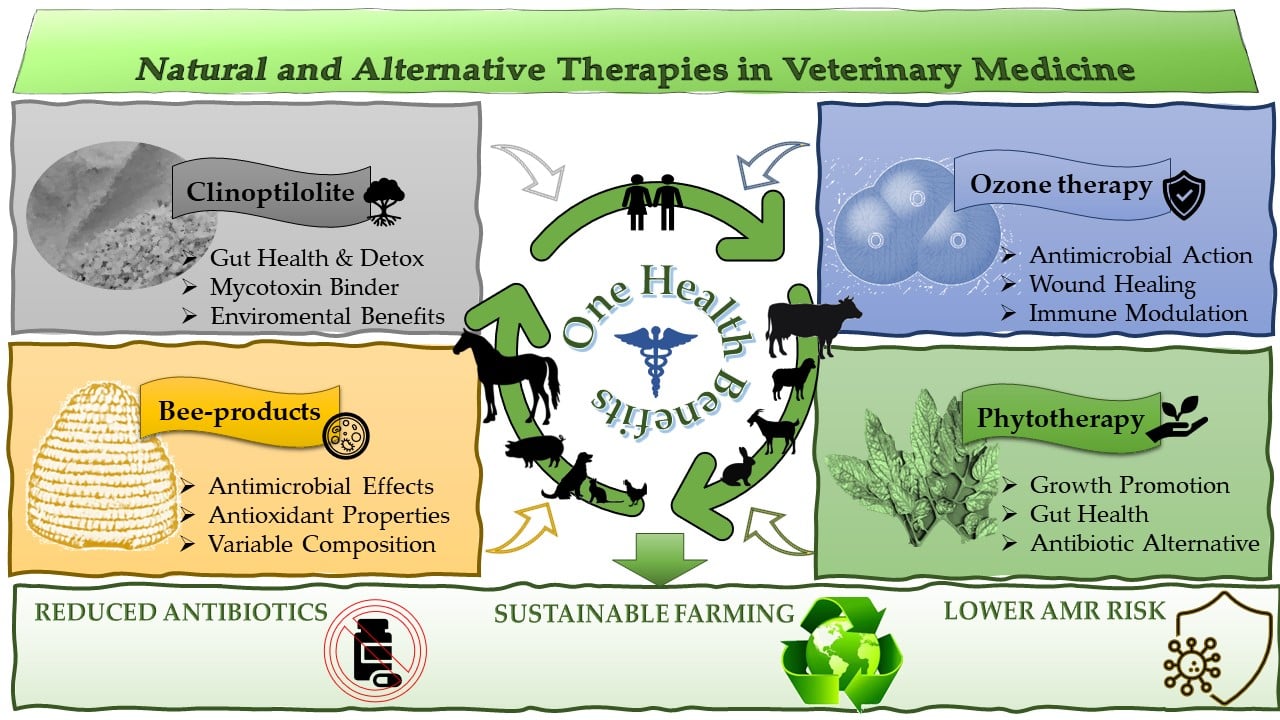
The increasing demand for sustainable and antibiotic-free veterinary practices has stimulated interest in natural products such as clinoptilolite, ozone therapy, bee-derived products, and phytotherapy. This systematic review evaluates evidence from 2010 to 2026 regarding their clinical efficacy and mechanisms of action. A comprehensive literature search was conducted across PubMed, Scopus, Web of Science, CAB Abstracts, Google Scholar, and regional veterinary journals using predefined keywords related to natural alternatives in veterinary medicine. These studies were critically appraised due to frequent methodological limitations, including lack of randomization and control groups. From 1124 identified records, 842 studies were screened after duplicates were removed, 214 full-text articles were assessed for eligibility. A total of 96 studies meeting the predefined inclusion criteria were included in the final analysis. Clinoptilolite consistently improved gastrointestinal health and detoxification in livestock. Ozone therapy demonstrated broad antimicrobial and immunomodulatory effects, though standardized protocols are lacking. Bee-derived products, especially propolis exhibited strong antimicrobial and antioxidant properties, with variable clinical translation. Phytotherapy emerged as a promising alternative to antibiotic growth promoters. Overall, the available evidence suggests that these natural interventions may serve as promising adjuncts in veterinary practice; however, their current application is constrained by heterogeneity, limited randomized controlled trials, and lack of standardized protocols. Consequently, they should be considered supportive rather than definitive alternatives to conventional therapies. Further well-designed, standardized clinical studies are required to confirm efficacy, optimize application, and support evidence-based integration into modern veterinary medicine. Full article
Show Figures

Graphical abstract

38 pages, 2343 KB  
Article
Advanced Statistical Modeling of Xenobiotic Exposure in Maternal–Neonatal Systems: A Censored and Hierarchical Data Approach
by Vadim Kramar, Elena Evstafeva, Olga Zalata, Olga Moskovchuk and Ivan Lipko
Appl. Sci. 2026, 16(10), 4992; https://doi.org/10.3390/app16104992 (registering DOI) - 16 May 2026
Abstract
This study presents an integrated statistical framework for the analysis of biomonitoring data in environmental toxicology, with a focus on xenobiotic exposure in maternal–neonatal systems. Such data are typically characterized by strong right-skewness, left-censoring due to limits of detection (LOD), hierarchical structure across [...] Read more.
This study presents an integrated statistical framework for the analysis of biomonitoring data in environmental toxicology, with a focus on xenobiotic exposure in maternal–neonatal systems. Such data are typically characterized by strong right-skewness, left-censoring due to limits of detection (LOD), hierarchical structure across biological matrices, and dependence between paired observations. To address these challenges, we combine lognormal distribution modeling, likelihood-based treatment of censored data, parametric and non-parametric group comparison, regression analysis of paired data, and hierarchical (multilevel) modeling within a unified analytical pipeline. A Bayesian hierarchical extension is further introduced to enable full probabilistic uncertainty quantification and posterior predictive validation. The Bayesian component is applied to reconstructed individual-level datasets derived from reported summary statistics, allowing consistent integration of censoring and multilevel variability. The results indicate significant differences in xenobiotic burdens between study groups and provide a model-based characterization of maternal–neonatal relationships. Posterior predictive analysis indicates that the proposed framework adequately reproduces key features of the data, including right-skewness and dispersion. Because individual-level data were unavailable, reconstructed datasets were used exclusively for methodological demonstration, and a simulation-based validation was performed to quantify reconstruction uncertainty under varying sample sizes, censoring rates, and distributional dispersion. The proposed approach improves robustness and interpretability compared to conventional methods based on simple substitution or single-level models and provides a reproducible analytical strategy for complex environmental datasets. This framework is applicable to a wide range of problems in environmental toxicology and ecosystem health, where reliable analysis of censored and heterogeneous data is essential for exposure assessment and risk evaluation. Full article
46 pages, 8708 KB  
Review
Mechanistic Structure–Property Relationships in Carbon/Polymer Composites: Connectivity, Junction Resistance, and Durability
by Sachin Kumar Sharma, Reshab Pradhan, Lokesh Kumar Sharma, Yogesh Sharma, Yatendra Pal, Drago Bračun and Damjan Klobčar
Polymers 2026, 18(10), 1220; https://doi.org/10.3390/polym18101220 (registering DOI) - 16 May 2026
Abstract
Carbon/polymer composites are increasingly designed as microstructure-engineered multifunctional materials that combine mechanical reinforcement with electrical/thermal transport, electromagnetic interference (EMI) shielding, and sensing. Performance is governed less by filler fraction than by the coupled control of network topology, junction resistance, and interfacial thermal boundary [...] Read more.
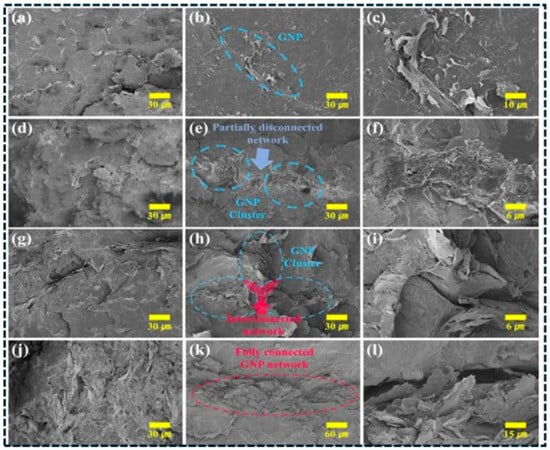
Carbon/polymer composites are increasingly designed as microstructure-engineered multifunctional materials that combine mechanical reinforcement with electrical/thermal transport, electromagnetic interference (EMI) shielding, and sensing. Performance is governed less by filler fraction than by the coupled control of network topology, junction resistance, and interfacial thermal boundary resistance under processing-induced shear and thermal histories. Electrical response follows percolation combined with tunneling/contact-controlled junctions, producing nonlinear σ(φ) behavior and high piezoresistive sensitivity near the percolation threshold. In contrast, thermal transport is commonly limited by Kapitza resistance and filler–filler junction resistance, restricting exploitation of the intrinsic conductivity of CNTs and graphene. Recent advances emphasize hybrid and 3D carbon architectures that densify connectivity, reduce junction losses, and enable programmable anisotropy via scalable routes such as masterbatch extrusion and additive manufacturing. However, translation remains constrained by dispersion-driven variability, transport–toughness trade-offs, and incomplete durability assessment under cycling, humidity, and reprocessing. This review consolidates mechanistic structure–processing–property relationships and provides application-driven design rules for sensors, EMI shielding, and thermal management. Full article
(This article belongs to the Section Polymer Applications)
Show Figures

Figure 1

24 pages, 7157 KB  
Article
CalexNet: Soft Cascade-Aligned Training and Calibration for Lightweight Early-Exit Branches
by Yehudit Aperstein and Alexander Apartsin
Electronics 2026, 15(10), 2149; https://doi.org/10.3390/electronics15102149 (registering DOI) - 16 May 2026
Abstract
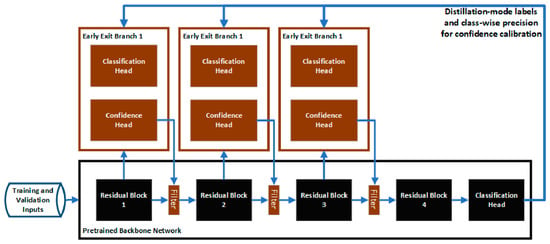
Early-exit cascades over a frozen convolutional backbone enable adaptive inference but suffer from three sources of train–inference mismatch: branches train on samples they will never see at inference; their per-class precision thresholds are calibrated on the wrong distribution; the standard cross-entropy target on [...] Read more.
Early-exit cascades over a frozen convolutional backbone enable adaptive inference but suffer from three sources of train–inference mismatch: branches train on samples they will never see at inference; their per-class precision thresholds are calibrated on the wrong distribution; the standard cross-entropy target on backbone argmax labels discards the backbone’s uncertainty signal. We close all three gaps with CalexNet (cascade-aligned early exits), a training-recipe-only modification: branches train under continuously weighted importance sampling that matches the cascade-survivor distribution; per-class precision thresholds are calibrated on the actual cascade-survivor subset of the validation set; the classification head is trained against the backbone’s full softmax via a temperature-scaled KL objective. Combined with an augmented prototype-pooling branch head, CalexNet is evaluated on ResNet18 and ResNet50 backbones across CIFAR-100 (20-supe-class coarse, the harder primary setting) and CINIC-10 (10-class, the easier cross-validation counterpart). On the accuracy–FLOPs Pareto frontier, CalexNet matches or exceeds three published baselines (PTEEnet, ZTW, BoostNet) and a within-paper “no-alignment, no-KD” reference. The largest gains appear in the practically relevant 30–70% FLOPs-reduction regime and show consistent trends across n=3 training seeds. CalexNet requires no inference-time architectural change and is a drop-in for any frozen-backbone early-exit cascade. Full article
Show Figures

Figure 1

44 pages, 811 KB  
Review
Lipid-Based Drug Delivery Systems as Emerging Tools to Overcome Antifungal Resistance
by Lide Arana, Andrea Guridi, Elena Sevillano, Esther Tamayo, Elena Eraso, Itziar Alkorta and Ianire Mate
Int. J. Mol. Sci. 2026, 27(10), 4487; https://doi.org/10.3390/ijms27104487 (registering DOI) - 16 May 2026
Abstract
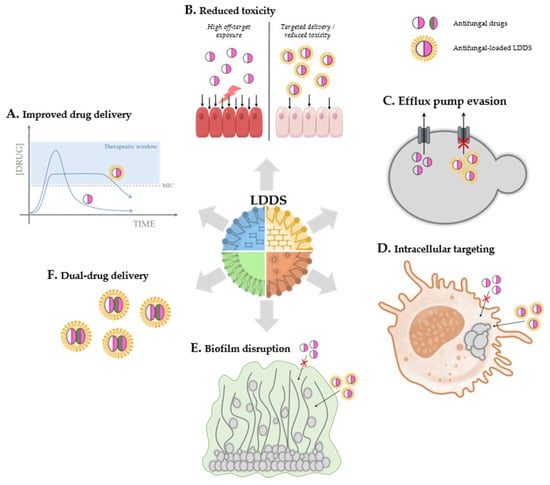
Fungal infections represent an escalating global health challenge due to their increasing incidence, the emergence of multidrug-resistant pathogens, and the limited development of new antifungal agents. Therapeutic efficacy is compromised by mutations in drug targets, overexpression of efflux pumps, alterations in the ergosterol [...] Read more.
Fungal infections represent an escalating global health challenge due to their increasing incidence, the emergence of multidrug-resistant pathogens, and the limited development of new antifungal agents. Therapeutic efficacy is compromised by mutations in drug targets, overexpression of efflux pumps, alterations in the ergosterol biosynthetic pathway, biofilm-associated tolerance, and extensive genomic plasticity. The growing prevalence of antifungal resistance and the limited availability of effective therapeutic options highlight the urgent need to strengthen epidemiological surveillance and accelerate research into innovative therapeutic strategies. In this review, we discuss the potential of lipid-based drug delivery systems (LDDSs) as a versatile strategy to optimize antifungal administration and overcome resistance mechanisms. Liposomes (LPs), solid lipid nanoparticles (SLNs), nanostructured lipid carriers (NLCs), and lipid nanoparticles (LNPs) offer high biocompatibility, efficient encapsulation of hydrophobic compounds, structural stability, and controlled drug release. Their nanoscale properties facilitate penetration into biofilms, promote intracellular uptake, and reduce the impact of efflux-mediated drug extrusion, thereby improving cellular penetration and circumventing resistance pathways. In addition, LDDSs increase bioavailability, reduce toxicity, and promote drug accumulation within poorly accessible tissue compartments. Overall, LDDSs represent a promising approach to expand the therapeutic arsenal against both superficial and invasive fungal infections, particularly those caused by multidrug-resistant pathogens. Full article
(This article belongs to the Special Issue Molecular Advances in Antimicrobial Nanoparticles)
Show Figures

Figure 1

10 pages, 3376 KB  
Brief Report
Fuzzy PID Speed Control System for Sprayer Vehicles Based on Canopy Density
by Yanxin Wang, Nwabueze Emekwuru, Chengqian Jin and Fernando Auat Cheein
Algorithms 2026, 19(5), 400; https://doi.org/10.3390/a19050400 (registering DOI) - 16 May 2026
Abstract
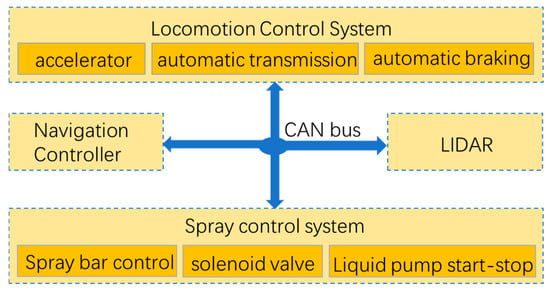
This study proposes an intelligent spraying vehicle speed control system integrating real-time canopy density detection with a fuzzy PID control algorithm. Utilizing LiDAR-acquired 3D point cloud data for canopy density calculation, the system dynamically adjusts PID parameters through fuzzy logic to achieve coordinated [...] Read more.
This study proposes an intelligent spraying vehicle speed control system integrating real-time canopy density detection with a fuzzy PID control algorithm. Utilizing LiDAR-acquired 3D point cloud data for canopy density calculation, the system dynamically adjusts PID parameters through fuzzy logic to achieve coordinated optimization of vehicle speed and spray volume. Based on the designed canopy density prediction model, a MATLAB/Simulink co-simulation framework integrating canopy perception with vehicle dynamics was established. Simulation results based on the MATLAB/Simulink platform demonstrate that the fuzzy PID controller achieves superior performance compared to conventional PID control. While maintaining a tracking accuracy of ±0.15 m/s, the proposed controller reduces speed overshoot by 5.8 percentage points. The developed control system ensures optimal speed tracking under varying canopy conditions, providing an extensible technical framework for intelligent sprayer vehicles. Full article
(This article belongs to the Special Issue Algorithmic Approaches to Control Theory and System Modeling)
Show Figures

Figure 1

20 pages, 5680 KB  
Article
Integrated Transcriptomic and Metabolomic Analyses Reveal Adaptive Mechanisms of Medicago sativa Under Water Stress
by Yangyang Song, Nazi Niu, Yuanrong Wu, Qianqian Huo, Yuanyuan Qu and Linqiao Xi
Plants 2026, 15(10), 1531; https://doi.org/10.3390/plants15101531 (registering DOI) - 16 May 2026
Abstract
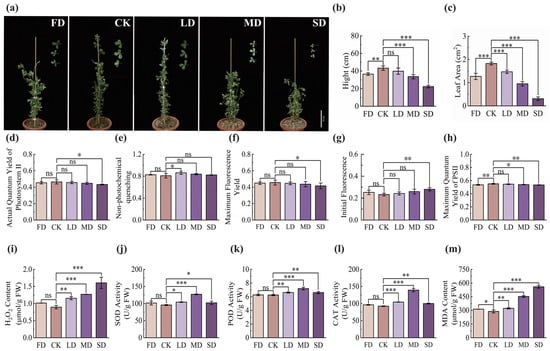
Water stress is a major abiotic constraint limiting the growth and productivity of alfalfa (Medicago sativa L.). To elucidate the adaptive mechanisms and identify key drought-tolerance genes, physiological measurements were integrated with multi-omics analyses of cultivar ‘Tamu 1’ under three water treatments: [...] Read more.
Water stress is a major abiotic constraint limiting the growth and productivity of alfalfa (Medicago sativa L.). To elucidate the adaptive mechanisms and identify key drought-tolerance genes, physiological measurements were integrated with multi-omics analyses of cultivar ‘Tamu 1’ under three water treatments: waterlogging (100% field water capacity), normal irrigation (80% FWC), and drought (light: 60% FWC, moderate: 40% FWC, severe: 20% FWC). Water stress markedly inhibited plant growth, induced oxidative stress, and reduced the photosynthetic capacity. Compared with waterlogging stress (DAMs: n = 71; DEGs: n = 313), drought stress resulted in a substantially greater number of differentially accumulated metabolites (DAMs, n = 1504) and differentially expressed genes (DEGs, n = 8006). Weighted gene co-expression network analysis (WGCNA) identified six key modules and ten hub genes associated with stress responses. Integrated transcriptomic and metabolomic analyses further revealed four major responsive pathways: starch and sucrose metabolism, phenylpropanoid and flavonoid metabolism, glutathione metabolism, and zeatin biosynthesis. Based on integrative criteria, including differential expression (|log2FC| ≥ 1, adjusted p < 0.05), WGCNA modules significantly associated with drought-related traits (R2 > 0.6), as well as functional annotation and protein–protein interaction (PPI) network topology, 28 candidate genes associated with drought tolerance were identified, of which six were further validated by quantitative real-time PCR (qRT-PCR). These findings highlight key metabolic pathways and regulatory modules underlying alfalfa responses to water stress and provide valuable candidate gene resources for improving drought tolerance. Full article
(This article belongs to the Special Issue Forage and Sustainable Agriculture)
Show Figures

Figure 1

16 pages, 4058 KB  
Article
A Study on the Process, Microstructure, and Properties of Laser Additive Manufacturing of Titanium Alloys
by Xuqiang Kang, Bingqi Wang and Anguo Huang
Materials 2026, 19(10), 2104; https://doi.org/10.3390/ma19102104 (registering DOI) - 16 May 2026
Abstract
To eliminate lack-of-fusion (LoF) defects at partition interfaces during laser powder bed fusion of titanium alloys, this study proposes a multi-layer, partitioned-scanning strategy with staggered interfaces. The strategy was optimized through an orthogonal experimental design focused on single-track morphology. Experimental results indicate that [...] Read more.
To eliminate lack-of-fusion (LoF) defects at partition interfaces during laser powder bed fusion of titanium alloys, this study proposes a multi-layer, partitioned-scanning strategy with staggered interfaces. The strategy was optimized through an orthogonal experimental design focused on single-track morphology. Experimental results indicate that this approach effectively suppresses defects in quadrant-partitioned samples, significantly improving the relative density from 93.6% to 97.9%. In addition, the strategy markedly refines the microstructure and enhances microhardness. Mechanical testing confirms that the fabricated components achieve performance comparable to those produced by conventional continuous scanning. Full article
(This article belongs to the Section Metals and Alloys)
28 pages, 6612 KB  
Review
Lactylation in Colorectal Cancer: Regulatory Networks, Functional Mechanisms, and Clinical Translational Potential
by Diao Wei, Min Zhang, Tianyu Lei and Qinyong Hu
Int. J. Mol. Sci. 2026, 27(10), 4480; https://doi.org/10.3390/ijms27104480 (registering DOI) - 16 May 2026
Abstract
Protein lactylation, an emerging post-translational modification (PTM) driven by the metabolite lactate, has surfaced as an important regulatory layer contributing to the crosstalk between metabolic reprogramming and cellular functional plasticity in colorectal cancer (CRC). Within the unique “host–microbiota” symbiotic microenvironment of CRC, the [...] Read more.
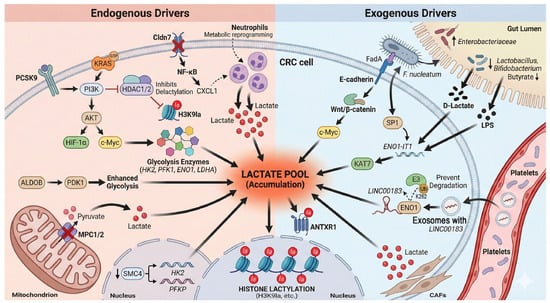
Protein lactylation, an emerging post-translational modification (PTM) driven by the metabolite lactate, has surfaced as an important regulatory layer contributing to the crosstalk between metabolic reprogramming and cellular functional plasticity in colorectal cancer (CRC). Within the unique “host–microbiota” symbiotic microenvironment of CRC, the Warburg effect—fueled jointly by oncogene activation and microbial metabolism—provides abundant substrates for lactylation. This modification is dynamically regulated by a complex enzymatic system comprising “Writers” (e.g., p300/CREB-binding protein [p300/CBP], alanyl-tRNA synthetase 1/2 [AARS1/2]) and “Erasers” (e.g., histone deacetylases [HDACs] and Sirtuins). Through intricate crosstalk with other PTMs, such as acetylation and ubiquitination, lactylation exerts critical regulatory effects on both the histone epigenetic landscape and non-histone protein functions. Functionally, lactylation not only drives malignant proliferation, invasion, and metastasis but also systematically remodels the immunosuppressive “cold” tumor microenvironment. Furthermore, it confers broad-spectrum resistance to chemotherapy, radiotherapy, targeted therapy, and immunotherapy by orchestrating a ferroptosis defense network, enhancing DNA damage repair (DDR), and activating protective autophagy. This review systematically synthesizes the regulatory networks and biological functions of lactylation in CRC, deeply elucidating the core mechanisms underlying therapy resistance. Finally, we discuss the clinical translational potential of lactylation as a novel diagnostic/prognostic biomarker and therapeutic target, aiming to provide new theoretical foundations and strategic directions for overcoming current bottlenecks in CRC clinical treatment. Full article
(This article belongs to the Special Issue Advances in Basic and Translational Research in Colorectal Cancer)
Show Figures

Figure 1

33 pages, 3303 KB  
Article
Calibration of Discrete Element Parameters for Cassava Seed Stems Using the Tavares Model and GA-BP-GA Method
by Lintao Chen, Zeyu Chen, Xiangwei Mou, Ying Lan, Yucan Huang, Xu Ma and Xiangwu Deng
Agriculture 2026, 16(10), 1101; https://doi.org/10.3390/agriculture16101101 (registering DOI) - 16 May 2026
Abstract
Accurate discrete element method (DEM) simulations are essential for elucidating the precision seeding mechanisms and collision damage characteristics of cassava seed stem (CSS); however, such simulations are often limited by a lack of precise contact parameters. In this study, “Guire No. 7” CSS [...] Read more.
Accurate discrete element method (DEM) simulations are essential for elucidating the precision seeding mechanisms and collision damage characteristics of cassava seed stem (CSS); however, such simulations are often limited by a lack of precise contact parameters. In this study, “Guire No. 7” CSS was selected as the research object to calibrate discrete element (DE) parameters by integrating physical experiments with DEM simulations. A stem model was constructed in EDEM software (Altair EDEM 2022) using three-dimensional scanning technology combined with SolidWorks 2024 modeling functions to investigate the influence of the model’s mesh face count on simulation accuracy. Physical experiments measured the average repose angle (RA) of the stems (30.28° ± 1.09°), along with parameters including the restitution coefficient for stem-stem and stem-steel plate collisions, and the coefficient of static friction between the stem and steel plate. The Plackett-Burman Design experiment was employed to screen parameters affecting the RA, and the steepest ascent experiment was conducted to determine their optimal value ranges. Using the RA as the response value, a Central Composite Design experiment combined with machine learning regression models was applied to optimize the influencing parameters and compare model performance. The results indicated that the GA-BP algorithm exhibited superior predictive capability compared to Support Vector Regression (SVR) and the BP neural network. Through optimization using a genetic algorithm (GA), the calibrated parameters were obtained: a stem-steel plate static friction coefficient (SFC) of 0.488, a stem-stem SFC of 0.489, and a stem-stem rolling friction coefficient of 0.131. The resulting simulated RA was 30.73°, yielding a relative error of 1.49% compared to the physically measured value. The GA-BP-GA method demonstrated better optimization performance than the central composite design experiment, thereby validating the accuracy of the calibrated contact parameters between stems. Furthermore, parameters for the Tavares model were calibrated through physical experiments on CSS, using collision damage force and collision damage energy (CDE) as validation indicators. The results showed that the relative errors for both collision damage force and CDE were less than 3%, which is within the acceptable error range, thereby confirming the validity of the calibrated DE parameters for the cassava seed stem. Full article
(This article belongs to the Section Agricultural Technology)

Open Access Journals

Browse by Indexing Browse by Subject Selected Journals
Back to TopTop