
Research ArticleBone biologyCell biology
Open Access |  10.1172/jci.insight.191112
Nf2/FGFR1/AKT axis directs cranial neural crest–derived skull morphogenesis via collagen synthesis and trafficking
Yuping Huang,1 Junguang Liao,1 Panpan Shen,1 Yiliang He,1 Fuju Sun,1 Qi Zhang,1 Changlin Zheng,1 Xingen Zhang,2 Haibo Li,3 and Guiqian Chen1
1Department of Biopharmaceutics, Zhejiang Provincial Engineering Research Center of New Technologies and Applications for Targeted Therapy of Major Diseases, College of Life Science and Medicine, Zhejiang Sci-Tech University, Hangzhou, China.
2Department of Orthopedics, Jiaxing Key Laboratory for Minimally Invasive Surgery in Orthopedics & Skeletal Regenerative Medicine, Zhejiang Rongjun Hospital, Jiaxin, China.
3The Central Laboratory of Birth Defects Prevention and Control, Ningbo Women and Children’s Hospital, Ningbo Key Laboratory for the Prevention and Treatment of Embryogenic Diseases, The Affiliated Women and Children’s Hospital of Ningbo University, Ningbo, China.
Address correspondence to: Guiqian Chen, Department of Biopharmaceutics, Zhejiang Provincial Engineering Research Center of New Technologies and Applications for Targeted Therapy of Major Diseases, College of Life Science and Medicine, Zhejiang Sci-Tech University, No. 2 Street, Xiasha, Hangzhou 310018, China. Phone: 86.571.8684.3199; Email: [email protected]. Or to: Haibo Li, The Central Laboratory of Birth Defects Prevention and Control Ningbo Key Laboratory for the Prevention and Treatment of Embryogenic Diseases, The Affiliated Women and Children’s Hospital of Ningbo University, No. 339 Liuding Street, Ningbo 315000, China. Phone: 86.574.8388.2401; Email: [email protected].
Find articles by Huang, Y. in: PubMed | Google Scholar
1Department of Biopharmaceutics, Zhejiang Provincial Engineering Research Center of New Technologies and Applications for Targeted Therapy of Major Diseases, College of Life Science and Medicine, Zhejiang Sci-Tech University, Hangzhou, China.
2Department of Orthopedics, Jiaxing Key Laboratory for Minimally Invasive Surgery in Orthopedics & Skeletal Regenerative Medicine, Zhejiang Rongjun Hospital, Jiaxin, China.
3The Central Laboratory of Birth Defects Prevention and Control, Ningbo Women and Children’s Hospital, Ningbo Key Laboratory for the Prevention and Treatment of Embryogenic Diseases, The Affiliated Women and Children’s Hospital of Ningbo University, Ningbo, China.
Address correspondence to: Guiqian Chen, Department of Biopharmaceutics, Zhejiang Provincial Engineering Research Center of New Technologies and Applications for Targeted Therapy of Major Diseases, College of Life Science and Medicine, Zhejiang Sci-Tech University, No. 2 Street, Xiasha, Hangzhou 310018, China. Phone: 86.571.8684.3199; Email: [email protected]. Or to: Haibo Li, The Central Laboratory of Birth Defects Prevention and Control Ningbo Key Laboratory for the Prevention and Treatment of Embryogenic Diseases, The Affiliated Women and Children’s Hospital of Ningbo University, No. 339 Liuding Street, Ningbo 315000, China. Phone: 86.574.8388.2401; Email: [email protected].
Find articles by Liao, J. in: PubMed | Google Scholar
1Department of Biopharmaceutics, Zhejiang Provincial Engineering Research Center of New Technologies and Applications for Targeted Therapy of Major Diseases, College of Life Science and Medicine, Zhejiang Sci-Tech University, Hangzhou, China.
2Department of Orthopedics, Jiaxing Key Laboratory for Minimally Invasive Surgery in Orthopedics & Skeletal Regenerative Medicine, Zhejiang Rongjun Hospital, Jiaxin, China.
3The Central Laboratory of Birth Defects Prevention and Control, Ningbo Women and Children’s Hospital, Ningbo Key Laboratory for the Prevention and Treatment of Embryogenic Diseases, The Affiliated Women and Children’s Hospital of Ningbo University, Ningbo, China.
Address correspondence to: Guiqian Chen, Department of Biopharmaceutics, Zhejiang Provincial Engineering Research Center of New Technologies and Applications for Targeted Therapy of Major Diseases, College of Life Science and Medicine, Zhejiang Sci-Tech University, No. 2 Street, Xiasha, Hangzhou 310018, China. Phone: 86.571.8684.3199; Email: [email protected]. Or to: Haibo Li, The Central Laboratory of Birth Defects Prevention and Control Ningbo Key Laboratory for the Prevention and Treatment of Embryogenic Diseases, The Affiliated Women and Children’s Hospital of Ningbo University, No. 339 Liuding Street, Ningbo 315000, China. Phone: 86.574.8388.2401; Email: [email protected].
Find articles by Shen, P. in: PubMed | Google Scholar
1Department of Biopharmaceutics, Zhejiang Provincial Engineering Research Center of New Technologies and Applications for Targeted Therapy of Major Diseases, College of Life Science and Medicine, Zhejiang Sci-Tech University, Hangzhou, China.
2Department of Orthopedics, Jiaxing Key Laboratory for Minimally Invasive Surgery in Orthopedics & Skeletal Regenerative Medicine, Zhejiang Rongjun Hospital, Jiaxin, China.
3The Central Laboratory of Birth Defects Prevention and Control, Ningbo Women and Children’s Hospital, Ningbo Key Laboratory for the Prevention and Treatment of Embryogenic Diseases, The Affiliated Women and Children’s Hospital of Ningbo University, Ningbo, China.
Address correspondence to: Guiqian Chen, Department of Biopharmaceutics, Zhejiang Provincial Engineering Research Center of New Technologies and Applications for Targeted Therapy of Major Diseases, College of Life Science and Medicine, Zhejiang Sci-Tech University, No. 2 Street, Xiasha, Hangzhou 310018, China. Phone: 86.571.8684.3199; Email: [email protected]. Or to: Haibo Li, The Central Laboratory of Birth Defects Prevention and Control Ningbo Key Laboratory for the Prevention and Treatment of Embryogenic Diseases, The Affiliated Women and Children’s Hospital of Ningbo University, No. 339 Liuding Street, Ningbo 315000, China. Phone: 86.574.8388.2401; Email: [email protected].
Find articles by He, Y. in: PubMed | Google Scholar
1Department of Biopharmaceutics, Zhejiang Provincial Engineering Research Center of New Technologies and Applications for Targeted Therapy of Major Diseases, College of Life Science and Medicine, Zhejiang Sci-Tech University, Hangzhou, China.
2Department of Orthopedics, Jiaxing Key Laboratory for Minimally Invasive Surgery in Orthopedics & Skeletal Regenerative Medicine, Zhejiang Rongjun Hospital, Jiaxin, China.
3The Central Laboratory of Birth Defects Prevention and Control, Ningbo Women and Children’s Hospital, Ningbo Key Laboratory for the Prevention and Treatment of Embryogenic Diseases, The Affiliated Women and Children’s Hospital of Ningbo University, Ningbo, China.
Address correspondence to: Guiqian Chen, Department of Biopharmaceutics, Zhejiang Provincial Engineering Research Center of New Technologies and Applications for Targeted Therapy of Major Diseases, College of Life Science and Medicine, Zhejiang Sci-Tech University, No. 2 Street, Xiasha, Hangzhou 310018, China. Phone: 86.571.8684.3199; Email: [email protected]. Or to: Haibo Li, The Central Laboratory of Birth Defects Prevention and Control Ningbo Key Laboratory for the Prevention and Treatment of Embryogenic Diseases, The Affiliated Women and Children’s Hospital of Ningbo University, No. 339 Liuding Street, Ningbo 315000, China. Phone: 86.574.8388.2401; Email: [email protected].
Find articles by Sun, F. in: PubMed | Google Scholar
1Department of Biopharmaceutics, Zhejiang Provincial Engineering Research Center of New Technologies and Applications for Targeted Therapy of Major Diseases, College of Life Science and Medicine, Zhejiang Sci-Tech University, Hangzhou, China.
2Department of Orthopedics, Jiaxing Key Laboratory for Minimally Invasive Surgery in Orthopedics & Skeletal Regenerative Medicine, Zhejiang Rongjun Hospital, Jiaxin, China.
3The Central Laboratory of Birth Defects Prevention and Control, Ningbo Women and Children’s Hospital, Ningbo Key Laboratory for the Prevention and Treatment of Embryogenic Diseases, The Affiliated Women and Children’s Hospital of Ningbo University, Ningbo, China.
Address correspondence to: Guiqian Chen, Department of Biopharmaceutics, Zhejiang Provincial Engineering Research Center of New Technologies and Applications for Targeted Therapy of Major Diseases, College of Life Science and Medicine, Zhejiang Sci-Tech University, No. 2 Street, Xiasha, Hangzhou 310018, China. Phone: 86.571.8684.3199; Email: [email protected]. Or to: Haibo Li, The Central Laboratory of Birth Defects Prevention and Control Ningbo Key Laboratory for the Prevention and Treatment of Embryogenic Diseases, The Affiliated Women and Children’s Hospital of Ningbo University, No. 339 Liuding Street, Ningbo 315000, China. Phone: 86.574.8388.2401; Email: [email protected].
Find articles by Zhang, Q. in: PubMed | Google Scholar
1Department of Biopharmaceutics, Zhejiang Provincial Engineering Research Center of New Technologies and Applications for Targeted Therapy of Major Diseases, College of Life Science and Medicine, Zhejiang Sci-Tech University, Hangzhou, China.
2Department of Orthopedics, Jiaxing Key Laboratory for Minimally Invasive Surgery in Orthopedics & Skeletal Regenerative Medicine, Zhejiang Rongjun Hospital, Jiaxin, China.
3The Central Laboratory of Birth Defects Prevention and Control, Ningbo Women and Children’s Hospital, Ningbo Key Laboratory for the Prevention and Treatment of Embryogenic Diseases, The Affiliated Women and Children’s Hospital of Ningbo University, Ningbo, China.
Address correspondence to: Guiqian Chen, Department of Biopharmaceutics, Zhejiang Provincial Engineering Research Center of New Technologies and Applications for Targeted Therapy of Major Diseases, College of Life Science and Medicine, Zhejiang Sci-Tech University, No. 2 Street, Xiasha, Hangzhou 310018, China. Phone: 86.571.8684.3199; Email: [email protected]. Or to: Haibo Li, The Central Laboratory of Birth Defects Prevention and Control Ningbo Key Laboratory for the Prevention and Treatment of Embryogenic Diseases, The Affiliated Women and Children’s Hospital of Ningbo University, No. 339 Liuding Street, Ningbo 315000, China. Phone: 86.574.8388.2401; Email: [email protected].
Find articles by Zheng, C. in: PubMed | Google Scholar
1Department of Biopharmaceutics, Zhejiang Provincial Engineering Research Center of New Technologies and Applications for Targeted Therapy of Major Diseases, College of Life Science and Medicine, Zhejiang Sci-Tech University, Hangzhou, China.
2Department of Orthopedics, Jiaxing Key Laboratory for Minimally Invasive Surgery in Orthopedics & Skeletal Regenerative Medicine, Zhejiang Rongjun Hospital, Jiaxin, China.
3The Central Laboratory of Birth Defects Prevention and Control, Ningbo Women and Children’s Hospital, Ningbo Key Laboratory for the Prevention and Treatment of Embryogenic Diseases, The Affiliated Women and Children’s Hospital of Ningbo University, Ningbo, China.
Address correspondence to: Guiqian Chen, Department of Biopharmaceutics, Zhejiang Provincial Engineering Research Center of New Technologies and Applications for Targeted Therapy of Major Diseases, College of Life Science and Medicine, Zhejiang Sci-Tech University, No. 2 Street, Xiasha, Hangzhou 310018, China. Phone: 86.571.8684.3199; Email: [email protected]. Or to: Haibo Li, The Central Laboratory of Birth Defects Prevention and Control Ningbo Key Laboratory for the Prevention and Treatment of Embryogenic Diseases, The Affiliated Women and Children’s Hospital of Ningbo University, No. 339 Liuding Street, Ningbo 315000, China. Phone: 86.574.8388.2401; Email: [email protected].
Find articles by Zhang, X. in: PubMed | Google Scholar
1Department of Biopharmaceutics, Zhejiang Provincial Engineering Research Center of New Technologies and Applications for Targeted Therapy of Major Diseases, College of Life Science and Medicine, Zhejiang Sci-Tech University, Hangzhou, China.
2Department of Orthopedics, Jiaxing Key Laboratory for Minimally Invasive Surgery in Orthopedics & Skeletal Regenerative Medicine, Zhejiang Rongjun Hospital, Jiaxin, China.
3The Central Laboratory of Birth Defects Prevention and Control, Ningbo Women and Children’s Hospital, Ningbo Key Laboratory for the Prevention and Treatment of Embryogenic Diseases, The Affiliated Women and Children’s Hospital of Ningbo University, Ningbo, China.
Address correspondence to: Guiqian Chen, Department of Biopharmaceutics, Zhejiang Provincial Engineering Research Center of New Technologies and Applications for Targeted Therapy of Major Diseases, College of Life Science and Medicine, Zhejiang Sci-Tech University, No. 2 Street, Xiasha, Hangzhou 310018, China. Phone: 86.571.8684.3199; Email: [email protected]. Or to: Haibo Li, The Central Laboratory of Birth Defects Prevention and Control Ningbo Key Laboratory for the Prevention and Treatment of Embryogenic Diseases, The Affiliated Women and Children’s Hospital of Ningbo University, No. 339 Liuding Street, Ningbo 315000, China. Phone: 86.574.8388.2401; Email: [email protected].
Find articles by Li, H. in: PubMed | Google Scholar
1Department of Biopharmaceutics, Zhejiang Provincial Engineering Research Center of New Technologies and Applications for Targeted Therapy of Major Diseases, College of Life Science and Medicine, Zhejiang Sci-Tech University, Hangzhou, China.
2Department of Orthopedics, Jiaxing Key Laboratory for Minimally Invasive Surgery in Orthopedics & Skeletal Regenerative Medicine, Zhejiang Rongjun Hospital, Jiaxin, China.
3The Central Laboratory of Birth Defects Prevention and Control, Ningbo Women and Children’s Hospital, Ningbo Key Laboratory for the Prevention and Treatment of Embryogenic Diseases, The Affiliated Women and Children’s Hospital of Ningbo University, Ningbo, China.
Address correspondence to: Guiqian Chen, Department of Biopharmaceutics, Zhejiang Provincial Engineering Research Center of New Technologies and Applications for Targeted Therapy of Major Diseases, College of Life Science and Medicine, Zhejiang Sci-Tech University, No. 2 Street, Xiasha, Hangzhou 310018, China. Phone: 86.571.8684.3199; Email: [email protected]. Or to: Haibo Li, The Central Laboratory of Birth Defects Prevention and Control Ningbo Key Laboratory for the Prevention and Treatment of Embryogenic Diseases, The Affiliated Women and Children’s Hospital of Ningbo University, No. 339 Liuding Street, Ningbo 315000, China. Phone: 86.574.8388.2401; Email: [email protected].
Find articles by Chen, G. in: PubMed | Google Scholar
Published September 23, 2025 - More info
JCI Insight. 2025;10(18):e191112. https://doi.org/10.1172/jci.insight.191112.
© 2025 Huang et al. This work is licensed under the Creative Commons Attribution 4.0 International License. To view a copy of this license, visit http://creativecommons.org/licenses/by/4.0/.
Received: February 5, 2025; Accepted: July 29, 2025

-
Results
Nf2 ablation in CNCs results in severe abnormalities of craniofacial bones. To explore whether Nf2 plays a role in CNC-derived craniofacial bone development, we specifically knocked out Nf2 (48) in CNCs using Wnt1-Cre (5, 49). Nf2-cKO Wnt-Cre mice (Nf2-cKO) died after birth. Nf2-cKO mice displayed abnormalities in the developing forebrain and midbrain regions at E8.5 (Supplemental Figure 1A, arrow; supplemental material available online with this article; https://doi.org/10.1172/jci.insight.191112DS1). At E13.5 and E15.5, Nf2-mutant mice exhibited severe skull defects (Supplemental Figure 1A, arrow). Skeleton staining revealed that Nf2-deficient mice had smaller skull size (E17.5–P1) (Figure 1A), and the frontal and parietal bones were severely impaired, with massive arrest of skull vault mineralization compared with the controls (Figure 1A, arrow, dotted line). Wnt1-Cre is specially labeling neural crest–derived cells, such as neural crest–derived frontal bone and meninges, but not mesoderm-derived parietal bones (5, 6). The interaction of the meninges with the parietal bone has been reported to be critical for normal skull development, such as Tgfbr2 as a potential paracrine factor between parietal and frontal bones (20, 50). Here, in our study, we also found that mesoderm-derived parietal bones were also severely flawed in mice, suggesting a paracrine effect of Nf2 signals in CNC-derived meninges at work in developing mesoderm-derived parietal bone. Our data demonstrated that Nf2 signals are critically required for organizing the development of neural crest–derived frontal bones and mesoderm-derived parietal bones.
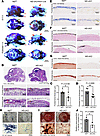 Figure 1
Neural crest–specific Nf2 deletion impairs craniofacial bone development. (A) Whole-mount skeletal staining (Alcian blue and Alizarin red) reveals severe craniofacial defects in Nf2-mutant mice at E17.5 and newborn stages, with hypoplastic frontal (fb), parietal (pb), interparietal (ib), and occipital (oc) bones. Nasal bones (na), mandible (ma), and maxilla (mx) are indicated. Scale bars: 2 mm. (B–D) H&E staining shows reduced frontal and parietal bone thickness in Nf2 mutants at E16.5, which is quantified in C and D. (E–G) Histochemical analysis demonstrated impaired CNC-derived osteogenesis in Nf2-mutant mice. (E) Diminished ALP activity at E18.5. Scale bars: 100 μm. (F) Declined mineralization (von Kossa) at E18.5. (G) Decreased calcified matrix (alizarin red S staining) at E18.5. (H–J) Primary CNC cultures recapitulate in vivo defects. (H) ALP staining (D7) shows impaired differentiation. Scale bars: 400 μm. (I) Alizarin red S staining (D14) confirmed deficient mineralization. Scale bars: 400 μm. (J) Quantification of calcified nodules. Data were expressed as means ± SD, and each dot represents an individual biological replicate. P values were calculated by unpaired Student’s t test with 2-tailed analysis without adjustments. *P < 0.05, **P < 0.01.
Epithelial-mesenchymal interactions are also critical for craniofacial development (51, 52). To explore the potential function of Nf2 in this process, we deleted Nf2 in an epithelium-specific model using K14-Cre (53). Alizarin red S staining showed that epithelium-specific knockout of Nf2 did not cause abnormalities in the craniofacial bones, such as frontal bone and parietal bones (Supplemental Figure 1B), indicating that Nf2 plays an essential role in ecto-mesenchymal cells but not in epithelial cells to direct skull bone development.
At the histological level, H&E staining presented defective skull vaults at E16.5 in Nf2 mutants (Figure 1B, arrow), including anomalous frontal and parietal bones. The frontal bone and parietal bone (Figure 1, B–D) exhibited remarkably reduced thickness. Alkaline phosphatase (ALP) staining was utilized to evaluate the activities in CNC-derived osteoprogenitors at E12.5. We discovered that Nf2 mutants displayed greatly declined ALP activities in CNC-derived osteoblasts at E18.5 (Figure 1E). von Kossa staining and alizarin red S staining was used to visualize the mineralization, and we found that Nf2-mutant mice displayed severely flawed ossification at frontal bones (Figure 1, F and G) and parietal bones (Figure 1, F and G).
To further verify the osteogenic activity in vitro, we collected the first branchial arch at E10.5, constructed a primary neural crest cell extraction and culture system (54), and then inoculated them to induce their differentiation into osteoblasts. At the day 7 (D7) and D14 differentiation stages, ALP staining (Figure 1H) and alizarin red S staining (Figure 1I) were used, and we found that Nf2 deletion resulted in diminished ALP activities and mineralization in CNC-derived osteoblasts. The relative area of calcified nodules was significantly declined in Nf2-mutant CNC osteoblasts (Figure 1J), thus illustrating a disrupted osteogenesis in Nf2-deficient CNCs. Collectively, we substantiated Nf2’s essential, cell-intrinsic requirement for normal CNC-derived osteogenesis and skull morphogenesis.
Nf2 governs CNC-derived osteoprogenitor proliferation, survival, and differentiation. During cranial development, CNCs migrate before the neural tube is closed, where these migrated cells begin to differentiate into mesenchymal cells and then produce craniofacial structures. Embryonic stage E12.5 is critical for establishing the condensation of CNC-derived mesenchyme cells to form frontal primordia (55). Runx2 is an early marker to distinguish osteogenic progenitor cells and required for CNC-derived osteogenic lineage development (56). The efficacy of Nf2 knockout was verified in Nf2-mutant mice at E12.5 (Supplemental Figure 2B). Then, we discovered that the number of Runx2+ osteoprogenitors was significantly diminished in Nf2-mutant mice at E12.5 (Figure 2, A and B). EdU incorporation assay was performed to evaluate the cell proliferation. We found that the ratio of EdU+/Runx2+ was significantly decreased in Nf2-deficient mice compared with the control at E12.5 (Figure 2, A and C). No difference in cell proliferation was found in the nonosteoblast area in Nf2 mutants compared to the control (Figure 2, A and D), indicating that Nf2 deficiency causes defective CNC-derived osteoprogenitor proliferation. In addition, TUNEL staining was used to evaluate cell apoptosis, and we observed increased apoptotic cells in Runx2+ osteoprogenitors in Nf2-knockout mice at E12.5 (Figure 2E, arrow), and the ratio of TUNEL+/Runx2+ was significantly greater in Nf2 mutants than the control (Figure 2F), implying that unbalanced cell proliferation and apoptosis cause the defective skull development in Nf2 mutants.
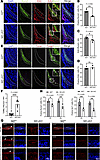 Figure 2
Nf2 deletion disrupts CNC-derived osteoprogenitor proliferation and differentiation. (A) Costaining of Runx2 (osteoprogenitor marker) and EdU (proliferation) in E12.5 coronal sections. Dotted lines demarcate osteogenic zones. Nf2 mutants show reduced Runx2+EdU+ cells. Scale bars: 100 μm. (B–D) Quantification reveals fewer Runx2+ cells (B), lower Runx2+EdU+ proliferation (C), and unchanged EdU+ cells in nonosteogenic regions (D) in Nf2 mutants. (E and F) Apoptosis analysis shows TUNEL+Runx2+ cells (arrow) increase in Nf2 mutants at E12.5, and more apoptotic osteoprogenitors (F) were quantified in Nf2 mutants. Scale bars: 100 μm. (G) Immunofluorescence staining of Runx2 and Osterix at E18.5 shows impaired terminal differentiation. Reduced immunosignals of Runx2 and Osterix were found in frontal bone (fb) and parietal bone (pb), and we found near-absent markers at the frontal-parietal junction. Scale bars: 100 μm. (H) Quantification of Runx2 and Sp7 expression level in Nf2 mutants. Data were expressed as means ± SD, and each dot represents an individual biological replicate. P values were calculated by unpaired Student’s t test with 2-tailed analysis without adjustments (B–D and F) or 2-way ANOVA multiple-comparison test (H). *P < 0.05, **P < 0.01, ***P < 0.001.
To initiate a normal osteogenesis, Runx2 and Osterix/Sp7, 2 fundamental transcriptional factors, are definitely required for bone ossification (57–59). We performed immunofluorescence staining on E18.5 sagittal skull tissues for Runx2 and Osterix. The results showed that the immunosignals of Runx2+ and Osterix+ were significantly diminished in frontal bones in Nf2-mutant mice compared with the controls (Figure 2, G, arrow, and H), while the immunosignals of Runx2+ and Osterix+ were hardly detectable in parietal bones of Nf2-cKO mice (Figure 2, G, arrow, and H), indicating that Nf2’s dual regulatory roles as a cell-autonomous requirement for CNC-derived osteogenesis and a paracrine modulator of mesodermal bone formation. Collectively, our findings demonstrated Nf2 as a nodal point in a transcriptional network governing craniofacial morphogenesis, with particular dominance in the neural crest lineage.
Nf2 mediates the synthesis and trafficking of type I collagen in CNC-derived osteoblasts. In CNC-derived osteoblasts, the activities of Runx2 and type I collagen (Col1) were substantially attenuated in Nf2 deficient mice (Figure 3A). The relative gene expressions of osteoblast-specific marker genes (ALP, RUNX2, Sp7, Col1) were significantly declined on D7 (Figure 3B). The immunohistochemical staining showed that the synthesis of type I collagen was significantly reduced in Nf2-mutant skull tissues (Figure 3C and Supplemental Figure 2E). Additionally, the immunosignals of type I collagen were noticeably diminished in Runx2+ osteoprogenitors in Nf2 mutants at E12.5 (Figure 3H). Type I collagen provides mechanical support and participates in bone mineralization (60, 61). Impaired synthesis of type I collagen causes various bone diseases, including osteogenesis imperfecta (62). To further visualize the integrity of collagen fibers, Picrosirius red staining and transmission electron microscopy (TEM) were used, and we discovered that Nf2-cKO mice had discontinuous type I collagen fibrils (Figure 3D, arrow, and Supplemental Figure 2F); the collagen fibers in the Nf2 mutants were looser than in the control (Figure 3E); and the interfibrillar spacing was increased (Figure 3F) and the fibril diameter was wider in Nf2 mutants (Figure 3G), revealing Nf2’s unprecedented role in coordinating both collagen production and extracellular matrix maturation, whose failure phenocopies osteogenesis imperfecta–like pathogenesis through disrupted fibrillogenesis and mineralization competence.
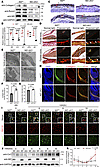 Figure 3
Nf2 regulates type I collagen biosynthesis and secretion in CNC-derived osteoblasts. (A and B) Molecular profiling reveals osteogenic defects: Western blot analysis (A) shows reduced osteogenic markers in Nf2-mutant mice at D7, and quantitative reverse transcription PCR (qRT-PCR) (B) confirms severe downregulation of ALP, RUNX2, Sp7, and Col1) in Nf2 deficient CNC-derived osteoblasts. (C–H) Collagen matrix abnormalities. (C) IHC shows less type I collagen in E16.5 Nf2-mutant coronal sections. Scale bars: 100 μm. (D) Picrosirius red staining reveals disorganized collagen fibers (arrow) in Nf2-mutant mice at E16.5. Scale bars: 100 μm. (E) TEM demonstrates defective fibril ultrastructure at E18.5, and quantification shows wider collagen fiber diameter (G). Scale bars: 200 nm. (F) Increased interfibrillar spacing in Nf2 mutants. (H) Costaining confirms reduced collagen in Runx2+ osteoprogenitors at E12.5. Scale bars: 200 μm. (I and J) Secretory pathway impairment. (I) AA-stimulated (50 μg/mL) Nf2-mutant CNC-derived osteoblasts retain pro–collagen I in Golgi (GM130+, arrow). Scale bars: 100 μm. (J and K) Western blot quantified more intracellular collagen retention in Nf2 mutants after AA stimulation for the indicated time course. Data were expressed as means ± SD, and each dot represents an individual biological replicate. P values were calculated by unpaired Student’s t test with 2-tailed analysis without adjustments (F and G) and 2-way ANOVA multiple-comparison test (B and K). *P < 0.05, **P < 0.01, ****P < 0.0001.
In rough endoplasmic reticulum (rER), the pro-collagen molecules undergo multiple posttranslational modifications; e.g., the hydroxylation of amino acid and lysine residues is catalyzed by prolyl 3-hydroxylase (P3H), prolyl 4-hydroxylase (P4H), and lysyl hydroxylase (LH). All 3 enzymes require ascorbic acid (AA) as a cofactor (63, 64). Western blot analysis revealed no significant differences in ER stress markers (GRP78/BiP and ATF4) (65) between Nf2-mutant and control osteoblasts (Supplemental Figure 2C), indicating that ER stress is not notably activated under these conditions. In control CNC-derived osteoblasts, Nf2 partially colocalized with the Golgi marker Golgi matrix protein 130 (GM130) by immunofluorescence (Supplemental Figure 2D), suggesting its potential involvement in secretory protein trafficking. To study the secretion and trafficking of collagen in CNC-derived osteoblasts, we stimulated primary CNC-derived osteoblasts with AA and detected intracellular type I pro-collagen levels (Figure 3I). Following the AA stimulation for 6 hours, most CNC-derived osteoblasts showed successful transport of type I pro-collagen to the Golgi apparatus in controls, which was colabeled using GM130 antibody (Figure 3I, arrow, and Supplemental Figure 2G). After the AA stimulation for 8 hours, many CNC-derived osteoblasts actively secreted collagen from the Golgi apparatus externally in controls, as less GM130 and pro-collagen colabeling was found, indicating a dynamic trafficking for synthesized type I collagen. On the contrary, most Nf2-mutant CNC-derived osteoblasts showed colabeling of GM130 and pro-collagen after AA stimulation, suggesting that Nf2-mutant osteoblasts showed insufficient collagen transport from the Golgi apparatus (Figure 3I, arrow, and Supplemental Figure 2G).
To validate the intracellular type I collagen synthesis, we analyzed intracellular collagen protein and found that the intracellular type I collagen in CNC-derived osteoblasts was higher in the cytoplasm than that in controls after AA treatment for 6 hours, and this trend was significantly higher after AA treatment for 10 hours in Nf2-mutant CNC-derived osteoblasts (Figure 3, J and K), suggesting that Nf2-mutant osteoblasts showed longer retained synthesized type I collagen. Intracellular collagen of control CNC-derived osteoblasts was extracellularly secreted at regular frequency (Figure 3, J and K), which was momentous to maintain a usual bone matrix activity for osteogenesis. Our data establish Nf2 as a regulator of collagen trafficking fidelity, whose dysfunction leads to pathological ECM accumulation mimicking osteogenesis imperfecta–type secretory defects.
Nf2 plays a crucial role in modulating FGFR1/Akt signaling in CNC-derived osteoblasts. Nf2 has been shown to interact with diverse membrane receptors, such as VEGFR (66) and EGFR (67). PDGFRα/β (68, 69) and FGFR1-4 (70–72) have been documented to be indispensable for CNC development. To explore the potential mechanism of Nf2 in CNC-derived osteoblasts, we conducted co-immunoprecipitation (co-IP) experiments using numerous transient expression plasmids for PDGFRα/β and FGFR1-4 to evaluate the potential interaction with Nf2. We discovered that Nf2 exhibited no interaction with PDGFRα/β and FGFR2-4 (Supplemental Figure 3D). Interestingly, upon the successful transfection of Nf2-Flag and FGFR1-HA plasmids into HEK293T cells (Figure 4, A and B), we uncovered a specific interaction between FGFR1-HA and Nf2-Flag (Figure 4D). Subsequently, we collected primary CNC-derived osteoblasts, performed endogenous co-IP, and validated that FGFR1 and Nf2 form a functional complex (Figure 4C).
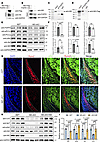 Figure 4
Nf2 scaffolds FGFR1/Akt signaling to regulate CNC-derived osteoblast function. (A–D) Nf2-FGFR1 interaction mapping. (A and B) Co-immunoprecipitation (co-IP) in HEK293T cells confirms specific Nf2-FGFR1 binding (HA/FLAG tags) (D). (C) Endogenous co-IP validates Nf2-FGFR1 complex in primary CNC-derived osteoblasts. (E and F) Downstream signaling defects in Nf2-mutant CNC-derived osteoblasts. Western blot shows unchanged FGFR1 but reduced p-Akt and p-PLCγ in Nf2-mutant primary CNC-derived osteoblasts (E). Quantification confirms selective pathway impairment (normalized to GAPDH) (F). (G) Costaining of Runx2 and p-Akt in E12.5 coronal sections shows reduced p-Akt+/Runx2+ osteoprogenitors in Nf2 mutants (dotted lines demarcate osteogenic zone). Scale bars: 100 μm. (H and I) Western blot shows the levels of p-Akt, Osterix/Sp7, and collagen type I were sufficiently rescued after the lentivirus-mediated Nf2 overexpression in Nf2-mutant osteoblasts (H). (I) Quantification of expression level of p-Akt, Sp7, and collagen type I (normalized to GAPDH). Data were expressed as means ± SD, and each dot represents an individual biological replicate. P values were calculated by unpaired Student’s t test with 2-tailed analysis without adjustments (F) and 2-way ANOVA multiple-comparison test (I). *P < 0.05, **P < 0.01, ***P < 0.001, ****P < 0.0001.
FGFR signaling is remarkably influential for CNC development, and FGFR binds to ligands and undergoes receptor dimerization, leading to the activation of central downstream pathways, for instance PI3K/AKT and PLCγ (73). We found that the activity of FGFR1 remained unchanged in Nf2-deficient CNC-derived osteoblasts (Figure 4, E and F). This was further supported by immunofluorescence staining (Supplemental Figure 2A). Its downstream signaling was selectively impaired, as the phosphorylated PLCγ (p-PLCγ) was significantly diminished in Nf2-mutant CNC-derived osteoblasts (Figure 4, E and F). Akt acts as the main output of PI3K signaling (74), and the activity of p-Akt was significantly decreased in Nf2-mutant CNC-derived osteoblasts (Figure 4, E and F), suggesting Nf2 specifically regulates signal transduction rather than receptor activation. Spatial analysis revealed that this defect originated in CNC-derived osteoprogenitors, and the immunosignals of p-Akt were decreased in CNC-derived Runx2+ osteoprogenitors in Nf2-mutant mice at E12.5 (Figure 4G). Additionally, Nf2 overexpression mediated by lentivirus in Nf2-mutant osteoblasts rescued p-Akt, collagen type I, and Osterix/Sp7 levels (Figure 4, H and I), suggesting Nf2 works as an upstream modulator of Akt activity during CNC-derived osteogenesis. These results establish Nf2 as a molecular switch that licenses FGFR1 signaling specifically through the PI3K/Akt axis during CNC osteogenesis.
Nf2 couples with Akt to regulate osteogenic differentiation and collagen biosynthesis in CNC-derived osteoblasts. Nf2 has been reported to interact with Akt in cancers (75). To further explore the relationship between Akt and Nf2 in osteoblasts, we generated exogenous plasmids Nf2-Flag and Akt-HA (Figure 5, A and B). A co-IP experiment was performed and found that Nf2 and Akt displayed exogenous interactions (Figure 5D). Furthermore, in primary CNC-derived osteoblasts, we substantiated the endogenous interaction between Nf2 and Akt (Figure 5C), while revealing no direct FGFR1-Akt binding (Supplemental Figure 3, A and B). co-IP assays showed that Nf2 interacts with both FGFR1 and Akt individually, but no interaction was detected between FGFR1 and Akt in the presence of Nf2, excluding the formation of a stable ternary complex (Supplemental Figure 3C). Subsequently, we used Akt inhibitors (MK2206) (76, 77) to treat the primary CNC-derived osteoblasts for 24 hours. We found that pharmacological inhibition of Akt markedly reduced p-Akt level (Figure 5E and Supplemental Figure 2H) and Osterix expression in CNC-derived osteoblasts (Figure 5E and Supplemental Figure 2H), exhibiting Akt’s critical role in maintaining the osteogenic program in Nf2 mutants.
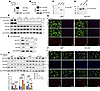 Figure 5
Nf2-Akt interaction governs osteogenic function and collagen production. (A–D) Nf2-Akt complex formation. (A and B) Reciprocal co-IP in HEK293T cells demonstrates direct Nf2-Flag/Akt-HA binding (anti-FLAG/HA) (D). (C) Endogenous Nf2-Akt interaction is confirmed in primary CNC-derived osteoblasts. (E–G) Akt dependence of osteogenic function. (E) Dose-dependent Akt inhibition (MK2206, 24 h) reduces Osterix activity in Nf2-mutant primary CNC-derived osteoblasts. (F) Western blot shows less collagen I after Akt inhibition. (G) Immunofluorescence reveals near-complete loss of pro–collagen I in Golgi (GM130+) upon Akt inhibition treatment, as emphasized by arrows. Scale bars: 100 μm. (H and I) Western blot analysis for measuring the amount of intracellular type I collagen after Akt activator stimulation for the indicated time course (SC79, 12 hours) (H). Quantification of intracellular type I collagen and p-Akt (normalized to GAPDH) (I). (J) Immunofluorescence staining reveals the cellular localization of pro–collagen I in Golgi (GM130+) treated with dose-dependent Akt activator for the indicated time. Scale bars: 100 μm. Data were expressed as means ± SD, and each dot represents an individual biological replicate. P values were calculated by 2-way ANOVA multiple-comparison test (I). *P < 0.05, **P < 0.01, ***P < 0.001, ****P < 0.0001.
To further authenticate the effect of Akt activity on type I collagen synthesis, Akt inhibitor (MK2206) at the concentration of 0.5 μM was applied to treat primary CNC-derived osteoblasts for 24 hours. Our results showed that the activity of type I collagen was substantially declined when the activity of p-Akt was effectively inhibited using Akt inhibitor (Figure 5F). Furthermore, the immunofluorescence staining substantiated that when Akt inhibitor was applied, the synthesis of pro–collagen type I nearly disappeared in primary CNC-derived osteoblasts compared with controls not treated with inhibitor (Figure 5G). To clarify whether Akt activation can rescue collagen secretion defects in Nf2-deficient osteoblasts, we treated primary CNC-derived osteoblasts with Akt activator (SC79) at 8 μg/mL for 12 hours. Western blot analysis showed increased level of intracellular type I collagen (Figure 5, H and I), and immunofluorescence revealed enhanced type I pro-collagen localization to the Golgi compartments (Figure 5J), suggesting that Akt activation is sufficient to enhance collagen secretion. However, Akt antagonist or agonist administration in vivo failed to rescue the Nf2-mutant phenotype, probably due to the blood-brain barrier. Collectively, our data underscored that Nf2-mediated FGFR1/Akt signaling is indispensable for the biosynthesis of type I collagen in CNC-derived osteoblasts.
Nf2 requires Akt-mediated phosphorylation for osteogenic function but not FGFR1 binding. Nf2 protein adopts a tripartite architecture comprising an N-terminal (NTD) FERM (F for 4.1 protein, E for ezrin, R for radixin, and M for moesin) domain, a central helix (α-helical) domain, and a C-terminal domain (CTD), with intramolecular FERM-CTD associations dictating its closed/inactive versus open/active conformations (78). Phosphorylation at 4 conserved residues (Ser10, Thr230, Ser315, Ser518) serves as a molecular switch controlling this conformational equilibrium, with distinct kinases selectively modifying these sites, e.g., PKA (Ser10, Ser518) (34, 35), AKT (Thr230, Ser315) (79), and PAK (Ser518) (80, 81), revealing Nf2 as a phospho-integration hub that translates diverse extracellular cues into coordinated functional outputs.
To advance the understanding on the physiological function between Akt and Nf2 in CNC-derived osteoblasts, single-site mutations on Nf2-Ser10, Nf2-Thr230, Nf2-Ser315, and Nf2-Ser518 were constructed, respectively, namely S10A, T230A, S315A, and S518A. Additionally, we constructed constitutive phosphorylation plasmids at Nf2-S10A and Nf2-T230A, namely S10D and T230D. In addition, GFP acts as a negative control, and lentivirus-mediated Nf2 site mutation–overexpressing plasmids were used. Functional dissection of Nf2 phosphorylation sites through lentivirus-mediated mutagenesis in Nf2-mutant primary CNC-derived osteoblasts revealed that Ser10 and Thr230 are critical for osteogenic activity: (a) Nonphosphorylatable mutants (S10A/T230A) failed to rescue Runx2 expressions (Figure 6, A and B) or ALP activity in Nf2-mutant CNC-derived osteoblasts compared with CNC-derived mutants and controls (Figure 6, C and D), while S315A/S518A showed near-normal function; (b) phospho-mimetic mutants (S10D/T230D) sufficiently restored Runx2 levels in Nf2-mutant osteoblasts (Figure 6, E and F), demonstrating that Ser10/Thr230 phosphorylations are essential for Nf2’s osteogenic function.
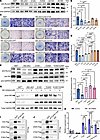 Figure 6
Phospho-regulation of Nf2 at Ser10/Thr230 controls osteogenic capacity through Akt coupling. (A–D) Phospho-ablative Nf2 mutants impair osteogenesis. (A and B) Constructing Nf2 single-site mutation plasmids (S10A, T230A, S315A, S518A). Nf2 (T230A) and Nf2(S10A) reduce Runx2 activity in Nf2-mutant CNC-derived osteoblasts compared with the Nf2-mutant controls, while S315A/S518A show minimal effects. (C and D) ALP activity is selectively diminished in Nf2-T230A and S10A mutants. Scale bars: 400 μm. (E and F) Phospho-mimetic rescue: Constructing Nf2 single-site continuous phosphorylation plasmids (S10D, T230D, S10D/T230D). Nf2 (T230D) and Nf2(S10D) sufficiently restore Runx2 in Nf2-mutant primary osteoblasts compared with the control (F). (G and H) Akt dependence assay. (G) Akt inhibitor–treated primary osteoblasts (24 hours) showed reduced Nf2 phosphorylation following lentivirus-mediated Nf2 (T230D) and Nf2(S10D) transfection, and untreated cells were used as controls, confirming Akt mediates Ser10/Thr230 modification. (H) Quantification of relative levels of Nf2 phosphorylation (normalized to GAPDH). (I and J) Site-specific binding assay. (I) Co-IP assays were performed in HEK293T cells transfected with site-mutant plasmids. T230A disrupts Nf2-Akt binding, while S10A maintains interaction. (J) Co-IP assays were performed in HEK293T cells transfected with S10A-Flag, T230A-Flag, S315A-Flag, S518A-Flag, and FGFR1-HA plasmids. S315A/S518A abolishes Nf2-FGFR1 coupling, with T230A/S10A unaffected. Data were expressed as means ± SD, and each dot represents an individual biological replicate. P values were calculated by 1-way ANOVA multiple-comparison test (B, D, and F) or grouped 2-way ANOVA multiple-comparison test (H). *P < 0.05, **P < 0.01, ***P < 0.001, ****P < 0.0001.
Akt has been reported to directly bind and phosphorylate Thr230 and Ser315 residues within Nf2, thus eliminating the NTD/CTD interaction of Nf2 (79). The phosphorylation of Akt can enhance the interaction between the “open” conformation of Nf2 and phosphatidylinositol (75). To delineate Akt’s role in Nf2 phosphorylation, we transfected plasmids of S10D, T230D, or double S10D/230D into Nf2-mutant primary CNC-derived osteoblasts and used Akt inhibitor to treat the transfected osteoblasts for 24 hours. The phospho-tag gel was used to evaluate the state of Nf2 phosphorylation, and we found that Akt inhibition noticeably reduced Nf2 phosphorylation under the conditions with constitutively expressed S10D and T230D sites in Nf2 (Figure 6, G and H), suggesting that Akt can exert sufficient kinase action to activate Nf2 phosphorylation at Ser10 and Thr230 sites in osteoblasts.
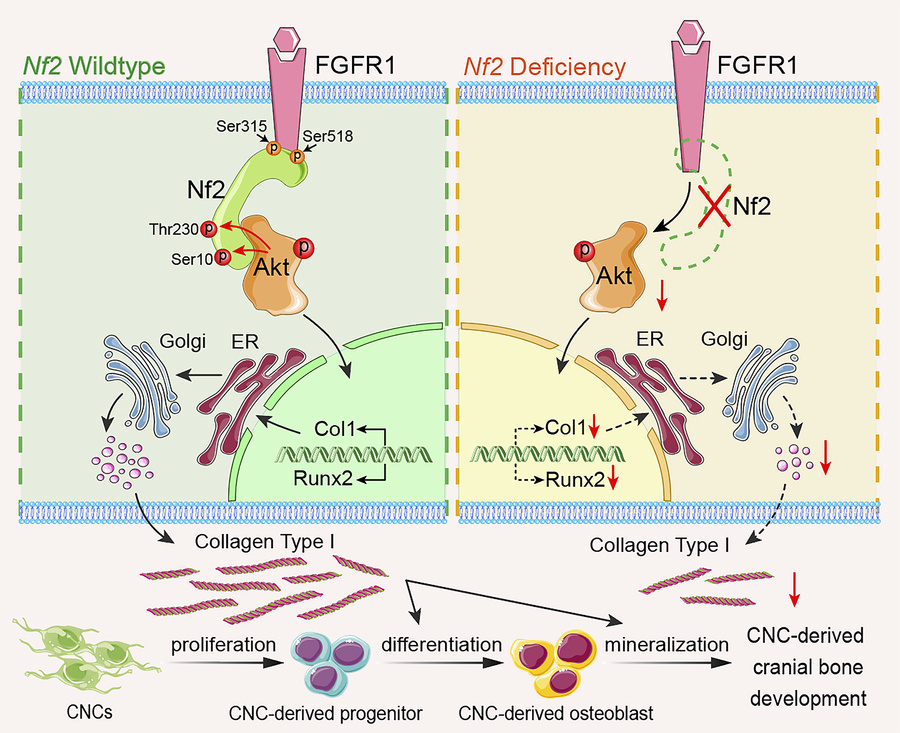
To explore the relevance among Nf2 phosphorylation, FGFR1, and Akt, we performed co-IP experiments and revealed that mutation on Ser10 of Nf2 does not cause the disassociation with Akt, but Thr230 does, suggesting that the conformation of Nf2 protein on phosphorylation sites may act differently at physiological state (Figure 6I). Site mutation on Ser315 in Nf2 also disconnected the interaction with Akt (Figure 6I), suggesting site Ser315 of Nf2 may function independently of or along with site Thr230 of Nf2 to interact with Akt. Additionally, mutations of Nf2-Ser315 or Nf2-Ser518 caused its uncoupling with FGFR1, but this was not true for mutations on Ser10 and Thr230 of Nf2 (Figure 6J), implying that sites of Ser315 and Ser518 in CTD of Nf2 are responsible for interacting with FGFR1 but not the sites of Ser10 and Thr230 in NTD of Nf2. Strikingly, phospho-mimetic mutants (S10D/T230D) maintained Akt (Supplemental Figure 3E) or FGFR1 (Supplemental Figure 3F) binding in the physiological state in CNC-derived osteoblasts. Our data underscore that the endogenous biological state of Nf2 phosphorylation is critically required to optimize its interactions with FGFR1 and Akt to facilitate intracellular modulation on collagen synthesis and trafficking (Figure 7) and thus to coordinate an established and standard CNC-derived osteogenic competence and cranial bone development.
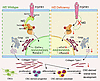 Figure 7
Molecular mechanism of Nf2-mediated FGFR1/AKT signaling in CNC-derived osteoblasts. Nf2’s domain-specific phosphorylation creates distinct functional modules: C-terminal S315/S518 mediate FGFR1 binding, while N-terminal T230 phosphorylation by AKT serves as the essential docking interface. This spatial segregation enables Nf2 to simultaneously coordinate FGFR1 signaling and Akt-dependent collagen regulation, with Nf2 deficiency causing highly reduced AKT activation and impaired collagen trafficking, while phospho-mimetic T230D rescues mineralization defects, revealing a targetable phospho-switch for craniofacial development. In short, Nf2 plays a significant role in optimizing the coupling with FGFR1 and AKT to mediate the synthesis and trafficking of type I collagen for a normal CNC-derived osteogenesis and cranial bone development.


