
Research ArticleClinical trialsImmunologyOncology
Open Access |  10.1172/jci.insight.177373
Identification and regulation of circulating tumor-TCR-matched cytotoxic CD4+ lymphocytes by KLRG1 in bladder cancer
Serena S. Kwek,1 Hai Yang,2 Tony Li,1 Arielle Ilano,1 Eric D. Chow,3 Li Zhang,1,2,4,5 Hewitt Chang,1 Diamond Luong,1 Averey Lea,1 Matthew Clark,1 Alec Starzinski,1 Yimin Shi,1 Elizabeth McCarthy,6 Sima Porten,5,7 Maxwell V. Meng,5,7 Chun Jimmie Ye,6,8,9,10 Lawrence Fong,1,5,8,11 and David Y. Oh1,5,8
1Division of Hematology/Oncology, Department of Medicine,
2Helen Diller Family Comprehensive Cancer Center Biostatistics and Population Research Core,
3Center for Advanced Technology,
4Department of Epidemiology and Biostatistics,
5Helen Diller Family Comprehensive Cancer Center,
6Division of Rheumatology,
7Department of Urology, Department of Medicine, Department of Epidemiology and Biostatistics, and Institute for Human Genetics,
8Parker Institute for Cancer Immunotherapy, and
9Bakar Computational Health Sciences Institute, UCSF, San Francisco, California, USA.
10Chan Zuckerberg Biohub, San Francisco, California, USA.
11Fred Hutchinson Cancer Center, Seattle, Washington, USA.
Address correspondence to: David Oh, University of California, San Francisco, 513 Parnassus Avenue, HSE301, Box 0519, San Francisco, California 94143, USA. Phone: 415.514.9301; Email: [email protected]. Or to: Lawrence Fong, Fred Hutchinson Cancer Center, 1100 Fairview Avenue North, Mailstop D5-116, Seattle, Washington 98109, USA. Phone: 206.667.5398; Email: [email protected].
Find articles by Kwek, S. in: PubMed | Google Scholar
1Division of Hematology/Oncology, Department of Medicine,
2Helen Diller Family Comprehensive Cancer Center Biostatistics and Population Research Core,
3Center for Advanced Technology,
4Department of Epidemiology and Biostatistics,
5Helen Diller Family Comprehensive Cancer Center,
6Division of Rheumatology,
7Department of Urology, Department of Medicine, Department of Epidemiology and Biostatistics, and Institute for Human Genetics,
8Parker Institute for Cancer Immunotherapy, and
9Bakar Computational Health Sciences Institute, UCSF, San Francisco, California, USA.
10Chan Zuckerberg Biohub, San Francisco, California, USA.
11Fred Hutchinson Cancer Center, Seattle, Washington, USA.
Address correspondence to: David Oh, University of California, San Francisco, 513 Parnassus Avenue, HSE301, Box 0519, San Francisco, California 94143, USA. Phone: 415.514.9301; Email: [email protected]. Or to: Lawrence Fong, Fred Hutchinson Cancer Center, 1100 Fairview Avenue North, Mailstop D5-116, Seattle, Washington 98109, USA. Phone: 206.667.5398; Email: [email protected].
Find articles by Yang, H. in: PubMed | Google Scholar
1Division of Hematology/Oncology, Department of Medicine,
2Helen Diller Family Comprehensive Cancer Center Biostatistics and Population Research Core,
3Center for Advanced Technology,
4Department of Epidemiology and Biostatistics,
5Helen Diller Family Comprehensive Cancer Center,
6Division of Rheumatology,
7Department of Urology, Department of Medicine, Department of Epidemiology and Biostatistics, and Institute for Human Genetics,
8Parker Institute for Cancer Immunotherapy, and
9Bakar Computational Health Sciences Institute, UCSF, San Francisco, California, USA.
10Chan Zuckerberg Biohub, San Francisco, California, USA.
11Fred Hutchinson Cancer Center, Seattle, Washington, USA.
Address correspondence to: David Oh, University of California, San Francisco, 513 Parnassus Avenue, HSE301, Box 0519, San Francisco, California 94143, USA. Phone: 415.514.9301; Email: [email protected]. Or to: Lawrence Fong, Fred Hutchinson Cancer Center, 1100 Fairview Avenue North, Mailstop D5-116, Seattle, Washington 98109, USA. Phone: 206.667.5398; Email: [email protected].
Find articles by Li, T. in: PubMed | Google Scholar
1Division of Hematology/Oncology, Department of Medicine,
2Helen Diller Family Comprehensive Cancer Center Biostatistics and Population Research Core,
3Center for Advanced Technology,
4Department of Epidemiology and Biostatistics,
5Helen Diller Family Comprehensive Cancer Center,
6Division of Rheumatology,
7Department of Urology, Department of Medicine, Department of Epidemiology and Biostatistics, and Institute for Human Genetics,
8Parker Institute for Cancer Immunotherapy, and
9Bakar Computational Health Sciences Institute, UCSF, San Francisco, California, USA.
10Chan Zuckerberg Biohub, San Francisco, California, USA.
11Fred Hutchinson Cancer Center, Seattle, Washington, USA.
Address correspondence to: David Oh, University of California, San Francisco, 513 Parnassus Avenue, HSE301, Box 0519, San Francisco, California 94143, USA. Phone: 415.514.9301; Email: [email protected]. Or to: Lawrence Fong, Fred Hutchinson Cancer Center, 1100 Fairview Avenue North, Mailstop D5-116, Seattle, Washington 98109, USA. Phone: 206.667.5398; Email: [email protected].
Find articles by Ilano, A. in: PubMed | Google Scholar
1Division of Hematology/Oncology, Department of Medicine,
2Helen Diller Family Comprehensive Cancer Center Biostatistics and Population Research Core,
3Center for Advanced Technology,
4Department of Epidemiology and Biostatistics,
5Helen Diller Family Comprehensive Cancer Center,
6Division of Rheumatology,
7Department of Urology, Department of Medicine, Department of Epidemiology and Biostatistics, and Institute for Human Genetics,
8Parker Institute for Cancer Immunotherapy, and
9Bakar Computational Health Sciences Institute, UCSF, San Francisco, California, USA.
10Chan Zuckerberg Biohub, San Francisco, California, USA.
11Fred Hutchinson Cancer Center, Seattle, Washington, USA.
Address correspondence to: David Oh, University of California, San Francisco, 513 Parnassus Avenue, HSE301, Box 0519, San Francisco, California 94143, USA. Phone: 415.514.9301; Email: [email protected]. Or to: Lawrence Fong, Fred Hutchinson Cancer Center, 1100 Fairview Avenue North, Mailstop D5-116, Seattle, Washington 98109, USA. Phone: 206.667.5398; Email: [email protected].
Find articles by Chow, E. in: PubMed | Google Scholar
1Division of Hematology/Oncology, Department of Medicine,
2Helen Diller Family Comprehensive Cancer Center Biostatistics and Population Research Core,
3Center for Advanced Technology,
4Department of Epidemiology and Biostatistics,
5Helen Diller Family Comprehensive Cancer Center,
6Division of Rheumatology,
7Department of Urology, Department of Medicine, Department of Epidemiology and Biostatistics, and Institute for Human Genetics,
8Parker Institute for Cancer Immunotherapy, and
9Bakar Computational Health Sciences Institute, UCSF, San Francisco, California, USA.
10Chan Zuckerberg Biohub, San Francisco, California, USA.
11Fred Hutchinson Cancer Center, Seattle, Washington, USA.
Address correspondence to: David Oh, University of California, San Francisco, 513 Parnassus Avenue, HSE301, Box 0519, San Francisco, California 94143, USA. Phone: 415.514.9301; Email: [email protected]. Or to: Lawrence Fong, Fred Hutchinson Cancer Center, 1100 Fairview Avenue North, Mailstop D5-116, Seattle, Washington 98109, USA. Phone: 206.667.5398; Email: [email protected].
Find articles by Zhang, L. in: PubMed | Google Scholar
1Division of Hematology/Oncology, Department of Medicine,
2Helen Diller Family Comprehensive Cancer Center Biostatistics and Population Research Core,
3Center for Advanced Technology,
4Department of Epidemiology and Biostatistics,
5Helen Diller Family Comprehensive Cancer Center,
6Division of Rheumatology,
7Department of Urology, Department of Medicine, Department of Epidemiology and Biostatistics, and Institute for Human Genetics,
8Parker Institute for Cancer Immunotherapy, and
9Bakar Computational Health Sciences Institute, UCSF, San Francisco, California, USA.
10Chan Zuckerberg Biohub, San Francisco, California, USA.
11Fred Hutchinson Cancer Center, Seattle, Washington, USA.
Address correspondence to: David Oh, University of California, San Francisco, 513 Parnassus Avenue, HSE301, Box 0519, San Francisco, California 94143, USA. Phone: 415.514.9301; Email: [email protected]. Or to: Lawrence Fong, Fred Hutchinson Cancer Center, 1100 Fairview Avenue North, Mailstop D5-116, Seattle, Washington 98109, USA. Phone: 206.667.5398; Email: [email protected].
Find articles by Chang, H. in: PubMed | Google Scholar
1Division of Hematology/Oncology, Department of Medicine,
2Helen Diller Family Comprehensive Cancer Center Biostatistics and Population Research Core,
3Center for Advanced Technology,
4Department of Epidemiology and Biostatistics,
5Helen Diller Family Comprehensive Cancer Center,
6Division of Rheumatology,
7Department of Urology, Department of Medicine, Department of Epidemiology and Biostatistics, and Institute for Human Genetics,
8Parker Institute for Cancer Immunotherapy, and
9Bakar Computational Health Sciences Institute, UCSF, San Francisco, California, USA.
10Chan Zuckerberg Biohub, San Francisco, California, USA.
11Fred Hutchinson Cancer Center, Seattle, Washington, USA.
Address correspondence to: David Oh, University of California, San Francisco, 513 Parnassus Avenue, HSE301, Box 0519, San Francisco, California 94143, USA. Phone: 415.514.9301; Email: [email protected]. Or to: Lawrence Fong, Fred Hutchinson Cancer Center, 1100 Fairview Avenue North, Mailstop D5-116, Seattle, Washington 98109, USA. Phone: 206.667.5398; Email: [email protected].
Find articles by Luong, D. in: PubMed | Google Scholar
1Division of Hematology/Oncology, Department of Medicine,
2Helen Diller Family Comprehensive Cancer Center Biostatistics and Population Research Core,
3Center for Advanced Technology,
4Department of Epidemiology and Biostatistics,
5Helen Diller Family Comprehensive Cancer Center,
6Division of Rheumatology,
7Department of Urology, Department of Medicine, Department of Epidemiology and Biostatistics, and Institute for Human Genetics,
8Parker Institute for Cancer Immunotherapy, and
9Bakar Computational Health Sciences Institute, UCSF, San Francisco, California, USA.
10Chan Zuckerberg Biohub, San Francisco, California, USA.
11Fred Hutchinson Cancer Center, Seattle, Washington, USA.
Address correspondence to: David Oh, University of California, San Francisco, 513 Parnassus Avenue, HSE301, Box 0519, San Francisco, California 94143, USA. Phone: 415.514.9301; Email: [email protected]. Or to: Lawrence Fong, Fred Hutchinson Cancer Center, 1100 Fairview Avenue North, Mailstop D5-116, Seattle, Washington 98109, USA. Phone: 206.667.5398; Email: [email protected].
Find articles by Lea, A. in: PubMed | Google Scholar
1Division of Hematology/Oncology, Department of Medicine,
2Helen Diller Family Comprehensive Cancer Center Biostatistics and Population Research Core,
3Center for Advanced Technology,
4Department of Epidemiology and Biostatistics,
5Helen Diller Family Comprehensive Cancer Center,
6Division of Rheumatology,
7Department of Urology, Department of Medicine, Department of Epidemiology and Biostatistics, and Institute for Human Genetics,
8Parker Institute for Cancer Immunotherapy, and
9Bakar Computational Health Sciences Institute, UCSF, San Francisco, California, USA.
10Chan Zuckerberg Biohub, San Francisco, California, USA.
11Fred Hutchinson Cancer Center, Seattle, Washington, USA.
Address correspondence to: David Oh, University of California, San Francisco, 513 Parnassus Avenue, HSE301, Box 0519, San Francisco, California 94143, USA. Phone: 415.514.9301; Email: [email protected]. Or to: Lawrence Fong, Fred Hutchinson Cancer Center, 1100 Fairview Avenue North, Mailstop D5-116, Seattle, Washington 98109, USA. Phone: 206.667.5398; Email: [email protected].
Find articles by Clark, M. in: PubMed | Google Scholar
1Division of Hematology/Oncology, Department of Medicine,
2Helen Diller Family Comprehensive Cancer Center Biostatistics and Population Research Core,
3Center for Advanced Technology,
4Department of Epidemiology and Biostatistics,
5Helen Diller Family Comprehensive Cancer Center,
6Division of Rheumatology,
7Department of Urology, Department of Medicine, Department of Epidemiology and Biostatistics, and Institute for Human Genetics,
8Parker Institute for Cancer Immunotherapy, and
9Bakar Computational Health Sciences Institute, UCSF, San Francisco, California, USA.
10Chan Zuckerberg Biohub, San Francisco, California, USA.
11Fred Hutchinson Cancer Center, Seattle, Washington, USA.
Address correspondence to: David Oh, University of California, San Francisco, 513 Parnassus Avenue, HSE301, Box 0519, San Francisco, California 94143, USA. Phone: 415.514.9301; Email: [email protected]. Or to: Lawrence Fong, Fred Hutchinson Cancer Center, 1100 Fairview Avenue North, Mailstop D5-116, Seattle, Washington 98109, USA. Phone: 206.667.5398; Email: [email protected].
Find articles by Starzinski, A. in: PubMed | Google Scholar
1Division of Hematology/Oncology, Department of Medicine,
2Helen Diller Family Comprehensive Cancer Center Biostatistics and Population Research Core,
3Center for Advanced Technology,
4Department of Epidemiology and Biostatistics,
5Helen Diller Family Comprehensive Cancer Center,
6Division of Rheumatology,
7Department of Urology, Department of Medicine, Department of Epidemiology and Biostatistics, and Institute for Human Genetics,
8Parker Institute for Cancer Immunotherapy, and
9Bakar Computational Health Sciences Institute, UCSF, San Francisco, California, USA.
10Chan Zuckerberg Biohub, San Francisco, California, USA.
11Fred Hutchinson Cancer Center, Seattle, Washington, USA.
Address correspondence to: David Oh, University of California, San Francisco, 513 Parnassus Avenue, HSE301, Box 0519, San Francisco, California 94143, USA. Phone: 415.514.9301; Email: [email protected]. Or to: Lawrence Fong, Fred Hutchinson Cancer Center, 1100 Fairview Avenue North, Mailstop D5-116, Seattle, Washington 98109, USA. Phone: 206.667.5398; Email: [email protected].
Find articles by Shi, Y. in: PubMed | Google Scholar
1Division of Hematology/Oncology, Department of Medicine,
2Helen Diller Family Comprehensive Cancer Center Biostatistics and Population Research Core,
3Center for Advanced Technology,
4Department of Epidemiology and Biostatistics,
5Helen Diller Family Comprehensive Cancer Center,
6Division of Rheumatology,
7Department of Urology, Department of Medicine, Department of Epidemiology and Biostatistics, and Institute for Human Genetics,
8Parker Institute for Cancer Immunotherapy, and
9Bakar Computational Health Sciences Institute, UCSF, San Francisco, California, USA.
10Chan Zuckerberg Biohub, San Francisco, California, USA.
11Fred Hutchinson Cancer Center, Seattle, Washington, USA.
Address correspondence to: David Oh, University of California, San Francisco, 513 Parnassus Avenue, HSE301, Box 0519, San Francisco, California 94143, USA. Phone: 415.514.9301; Email: [email protected]. Or to: Lawrence Fong, Fred Hutchinson Cancer Center, 1100 Fairview Avenue North, Mailstop D5-116, Seattle, Washington 98109, USA. Phone: 206.667.5398; Email: [email protected].
Find articles by McCarthy, E. in: PubMed | Google Scholar
1Division of Hematology/Oncology, Department of Medicine,
2Helen Diller Family Comprehensive Cancer Center Biostatistics and Population Research Core,
3Center for Advanced Technology,
4Department of Epidemiology and Biostatistics,
5Helen Diller Family Comprehensive Cancer Center,
6Division of Rheumatology,
7Department of Urology, Department of Medicine, Department of Epidemiology and Biostatistics, and Institute for Human Genetics,
8Parker Institute for Cancer Immunotherapy, and
9Bakar Computational Health Sciences Institute, UCSF, San Francisco, California, USA.
10Chan Zuckerberg Biohub, San Francisco, California, USA.
11Fred Hutchinson Cancer Center, Seattle, Washington, USA.
Address correspondence to: David Oh, University of California, San Francisco, 513 Parnassus Avenue, HSE301, Box 0519, San Francisco, California 94143, USA. Phone: 415.514.9301; Email: [email protected]. Or to: Lawrence Fong, Fred Hutchinson Cancer Center, 1100 Fairview Avenue North, Mailstop D5-116, Seattle, Washington 98109, USA. Phone: 206.667.5398; Email: [email protected].
Find articles by Porten, S. in: PubMed | Google Scholar
1Division of Hematology/Oncology, Department of Medicine,
2Helen Diller Family Comprehensive Cancer Center Biostatistics and Population Research Core,
3Center for Advanced Technology,
4Department of Epidemiology and Biostatistics,
5Helen Diller Family Comprehensive Cancer Center,
6Division of Rheumatology,
7Department of Urology, Department of Medicine, Department of Epidemiology and Biostatistics, and Institute for Human Genetics,
8Parker Institute for Cancer Immunotherapy, and
9Bakar Computational Health Sciences Institute, UCSF, San Francisco, California, USA.
10Chan Zuckerberg Biohub, San Francisco, California, USA.
11Fred Hutchinson Cancer Center, Seattle, Washington, USA.
Address correspondence to: David Oh, University of California, San Francisco, 513 Parnassus Avenue, HSE301, Box 0519, San Francisco, California 94143, USA. Phone: 415.514.9301; Email: [email protected]. Or to: Lawrence Fong, Fred Hutchinson Cancer Center, 1100 Fairview Avenue North, Mailstop D5-116, Seattle, Washington 98109, USA. Phone: 206.667.5398; Email: [email protected].
Find articles by Meng, M. in: PubMed | Google Scholar
1Division of Hematology/Oncology, Department of Medicine,
2Helen Diller Family Comprehensive Cancer Center Biostatistics and Population Research Core,
3Center for Advanced Technology,
4Department of Epidemiology and Biostatistics,
5Helen Diller Family Comprehensive Cancer Center,
6Division of Rheumatology,
7Department of Urology, Department of Medicine, Department of Epidemiology and Biostatistics, and Institute for Human Genetics,
8Parker Institute for Cancer Immunotherapy, and
9Bakar Computational Health Sciences Institute, UCSF, San Francisco, California, USA.
10Chan Zuckerberg Biohub, San Francisco, California, USA.
11Fred Hutchinson Cancer Center, Seattle, Washington, USA.
Address correspondence to: David Oh, University of California, San Francisco, 513 Parnassus Avenue, HSE301, Box 0519, San Francisco, California 94143, USA. Phone: 415.514.9301; Email: [email protected]. Or to: Lawrence Fong, Fred Hutchinson Cancer Center, 1100 Fairview Avenue North, Mailstop D5-116, Seattle, Washington 98109, USA. Phone: 206.667.5398; Email: [email protected].
Find articles by Ye, C. in: PubMed | Google Scholar
1Division of Hematology/Oncology, Department of Medicine,
2Helen Diller Family Comprehensive Cancer Center Biostatistics and Population Research Core,
3Center for Advanced Technology,
4Department of Epidemiology and Biostatistics,
5Helen Diller Family Comprehensive Cancer Center,
6Division of Rheumatology,
7Department of Urology, Department of Medicine, Department of Epidemiology and Biostatistics, and Institute for Human Genetics,
8Parker Institute for Cancer Immunotherapy, and
9Bakar Computational Health Sciences Institute, UCSF, San Francisco, California, USA.
10Chan Zuckerberg Biohub, San Francisco, California, USA.
11Fred Hutchinson Cancer Center, Seattle, Washington, USA.
Address correspondence to: David Oh, University of California, San Francisco, 513 Parnassus Avenue, HSE301, Box 0519, San Francisco, California 94143, USA. Phone: 415.514.9301; Email: [email protected]. Or to: Lawrence Fong, Fred Hutchinson Cancer Center, 1100 Fairview Avenue North, Mailstop D5-116, Seattle, Washington 98109, USA. Phone: 206.667.5398; Email: [email protected].
Find articles by Fong, L. in: PubMed | Google Scholar
1Division of Hematology/Oncology, Department of Medicine,
2Helen Diller Family Comprehensive Cancer Center Biostatistics and Population Research Core,
3Center for Advanced Technology,
4Department of Epidemiology and Biostatistics,
5Helen Diller Family Comprehensive Cancer Center,
6Division of Rheumatology,
7Department of Urology, Department of Medicine, Department of Epidemiology and Biostatistics, and Institute for Human Genetics,
8Parker Institute for Cancer Immunotherapy, and
9Bakar Computational Health Sciences Institute, UCSF, San Francisco, California, USA.
10Chan Zuckerberg Biohub, San Francisco, California, USA.
11Fred Hutchinson Cancer Center, Seattle, Washington, USA.
Address correspondence to: David Oh, University of California, San Francisco, 513 Parnassus Avenue, HSE301, Box 0519, San Francisco, California 94143, USA. Phone: 415.514.9301; Email: [email protected]. Or to: Lawrence Fong, Fred Hutchinson Cancer Center, 1100 Fairview Avenue North, Mailstop D5-116, Seattle, Washington 98109, USA. Phone: 206.667.5398; Email: [email protected].
Find articles by Oh, D. in: PubMed | Google Scholar
Published April 29, 2025 - More info
JCI Insight. 2025;10(11):e177373. https://doi.org/10.1172/jci.insight.177373.
© 2025 Kwek et al. This work is licensed under the Creative Commons Attribution 4.0 International License. To view a copy of this license, visit http://creativecommons.org/licenses/by/4.0/.
Received: November 9, 2023; Accepted: April 22, 2025

-
Results
CD4+ and CD8+ T cells in PBMCs and tumors contain conserved cytotoxic phenotypes. To determine whether T cell populations in blood reflected those within tumors of patients with muscle-invasive bladder cancer, CD4+ and CD8+ T cells were flow sorted from PBMCs from patients from whom tumor and NAT sequencing was previously obtained (7) (Figure 1A and Supplemental Dataset 1; supplemental material available online with this article; https://doi.org/10.1172/jci.insight.177373DS1). This included 3 patients treated with neoadjuvant anti–PD-L1 (atezolizumab) before cystectomy on a clinical trial (ClinicalTrials.gov NCT02451423), who had matched PBMC samples both before and after immunotherapy, along with their postimmunotherapy tumor data (Supplemental Dataset 1). We obtained scRNA-seq data from 124,467 PBMCs by 10× Genomics (12), and this dataset was combined with 32,587 single cells from tumors and NAT (7) before unbiased clustering with batch correction (13–15). There were 73,869 CD4+ T cells and 50,598 CD8+ T cells from PBMCs and 18,530 CD4+ T cells and 9,149 CD8+ T cells from tumors that passed filter.
 Figure 1
Combined blood and tumor TCR repertoire network analysis. (A) Blood and tumor samples were obtained from standard-of-care (SOC) and anti–PD-L1–treated patients with bladder cancer (on trial NCT02451423) for scRNA-seq/scTCR-seq, using matching TCRs on single cells as a barcode for matched antigenic specificity between compartments. (B) UMAP plot of 157,054 single cells clustered together, where each phenotypic population is identified with a distinct color and density plots showing distribution of cells for the subset of samples sorted for CD8+ or CD4+ T cells, or obtained from normal adjacent tissue (NAT), tumor, and blood. n = 7 tumors, 6 NAT, and 7 matched PBMC samples (before and after treatment for immunotherapy-treated patients). (C) Dot plot showing fractions of cells and mean expression of selected genes (bottom labels) in each cell cluster (side labels). (D) Feature plots showing expression of transcripts GZMB, GZMK, or KI67 (red) in the cells from samples sorted for CD4+ cells (gray) from blood or tumor superimposed on the UMAP plot. CD4+ cells expressing cytotoxic transcripts are known to express CD4 protein based on sorting, but are coclustered with a predominance of CD8+ T cells due to their cytotoxic gene expression. (E) Phenotypic analysis of all CD4+ T cells using gene signatures for Th1, Th2, and Trm (pairwise comparison statistics in Supplemental Dataset 5). (F) Percentage of TCRs that are unique, expanded (cluster size >1), and expanded and blood-tumor matched for CD4+ and CD8+ T cells from blood and tumor. (G) Network TCR plots of a representative patient. Each dot represents 1 cell, and the dots within in each cluster in red have identical paired TCRαβ.
Separately, we used the TCR from each single cell with RNA data to identify cells that were matched between blood and tumor, and their functional phenotype (Figure 1A). Using our published strategy to amplify TCR CDR3 sequences from 10× cDNA (7), paired TCR α and β (TCRαβ) sequences were obtained from 33,667 CD4+ T cells and 23,301 CD8+ T cells from PBMCs (45.6% and 46.1%, respectively, of all PBMC T cells with RNA data). These were combined with paired TCRs from 9,341 CD4+ and 4,935 CD8+ intratumoral T cells (50.4% and 53.9%, respectively, of all tumor T cells with RNA data) from the same patients (7).
Eleven T cell populations were identified. Differentially expressed (DE) genes were obtained for each population versus all other populations (Supplemental Dataset 2) and for individual CD4+ and CD8+ populations (Supplemental Dataset 3). Populations were annotated based on manual inspection of genes with the greatest differential expression (from largest cluster to smallest) as: Naive, GZMB+, mitochondria-rich (Mito), central memory (CM), GZMK+, C-X-C motif chemokine ligand 13+ (CXCL13+), regulatory T (Tregs), proliferative (Prolif), mucosal-associated invariant T (MAIT), early activated metabolic (EA), and IFN-pathway (IFN) cells. Uniform manifold approximation and projection (UMAP) (13) plots for these clusters are shown in Figure 1B. scRNA-seq from sorted CD4+ and CD8+ T cells from PBMCs, NAT, and tumors were combined for unbiased clustering in order to determine subsets that are similar or distinct against a common reference framework. Annotated cytotoxic CD4+ T cells still robustly grouped together when CD4+ and CD8+ T cells were initially clustered as separate populations (Supplemental Figure 1).
Four of 11 T cell populations were cytotoxic, as they overexpressed granzymes and cytotoxicity-associated genes such as NKG7 and granulysin (GNLY) (Figure 1C). While these cytotoxic populations (described in detail below) comprised the majority of CD8+ T cells (mean ± SEM: 78.9% ± 2.4% and 59.5% ± 6.0% of intratumoral and circulating cells), they also constituted a meaningful fraction of CD4+ T cells as well (11.4% ± 0.7% and 10.2% ± 2.5% of intratumoral and circulating CD4+ cells). GZMB and GZMK overexpression was detected in distinct populations of CD4+ cells from blood as well as tumors of these patients (Figure 1D). In addition, both GZMB+ and GZMK+ CD4+ cells comprised a significant proportion of the MKI67+ proliferative population (Figure 1, C and D). Note that CD4+ T cells expressing cytotoxic transcripts (Figure 1D) were known to express CD4 protein based on our sort strategy, but co-clustered with CD8+ T cells due to their cytotoxic expression program (Figure 1B). MAIT cells had elevated expression of solute carrier family 4 member 10 (SLC4A10), killer cell lectin-like receptor B1 (KLRB1), and ZFP36 ring finger protein like 2 (ZFP36L2) (14), along with cytotoxic granzymes (GZMA, GZMK, and GZMM) (15). We previously observed proliferative cells expressing both markers of cytotoxicity (GZMB and GZMK) and proliferation (MKI67) in the tumor microenvironment (7). Similarly, our group and others have observed a cytotoxic population expressing several granzymes (GZMA, GZMB, GZMH, and GZMM), GNLY, and PRF1 (perforin) but no GZMK (denoted as GZMB+), and a separate cytotoxic population that expressed GZMK that might express GZMB and PRF1, but not GNLY (denoted as GZMK+) (12, 16).
The remaining 7 T cell populations were noncytotoxic. CXCL13+ cells are potentially related to T follicular helper cells (Tfh), as they coexpressed PD-1 (PDCD1), inducible T cell costimulator (ICOS), and C-X-C motif chemokine receptor 5 (CXCR5) in CD4+ T cells (17). EA cells expressed cytochrome c (CYCS), hydroxyacyl-CoA dehydrogenase trifunctional multienzyme complex subunit α (HADHA), hypoxia-inducible factor 1 subunit α (HIF1A), and voltage-dependent anion-selective channel protein 1 (VDAC1). These markers were also recently observed in CD8+ T cells in response to Listeria monocytogenes infection in vivo, and in chimeric antigen receptor (CAR) T cells in patients with lymphoma (18). IFN pathway cells expressed IFN response genes such as IFN-induced protein with tetratricopeptide repeats 1 and 3 (IFIT1 and IFIT3), MX dynamin-like GTPase 1 (MX1), and IFN regulatory factor 7 (IRF7) (19). Although IFN response genes are upregulated in response to viral infection (20) and may indicate immune priming in the cancer context, the function of this population in antitumor immunity has not been demonstrated. The Mito population marked by a significant proportion of mitochondrial genes (despite filtering out high mitochondrial gene expression >10%) was not characterized further as this may reflect cellular stress from tissue processing (21).
To further elucidate the function of each T cell population, we applied gene signatures (Supplemental Dataset 4) for Th1 (22), Th2 (22), and T tissue-resident memory (Trm) (23) (Figure 1E), in pairwise population comparisons (Supplemental Dataset 5). GZMB+, GZMK+, IFN, and MAIT populations displayed significantly higher Th1 scores versus other CD4+ populations. For CD8+ T cells, GZMB+, GZMK+, IFN, and EA populations exhibited higher Th1 scores. Conversely, cytotoxic CD4+ and CD8+ populations with Th1 characteristics (GZMB+, GZMK+, IFN) displayed significantly less Th2 phenotype versus other populations, while Naive, CM, and Treg populations had significantly higher Th2 scores. Finally, GZMK+, MAIT, Prolif, and CXCL13+ CD4+ T cell populations had significantly higher Trm signatures than other CD4+ populations, suggesting propensity toward a tissue-resident phenotype, while GZMB+ cells did not.
Circulating tumor-TCR-matching CD4+ T cells are predominantly cytotoxic. Looking at the TCR repertoire of these cells, the percentage of total cells with a TCR that is unique, expanded (expressed by >1 cell), or expanded and matched between blood and tumor, is shown in Figure 1F for each phenotypic population. Additional information was obtained using TCR network analysis to cluster cells with the same TCR (24) (Figure 1G). Overall, 1,174 CD4+ T cells from PBMCs matched TCR clonotypes with 259 CD4+ T cells from tumors and 4,244 CD8+ T cells from PBMCs matched TCR clonotypes with 929 CD8+ T cells from tumors.
Cytotoxic CD4+ phenotypes (i.e., GZMB+, GZMK+, Prolif which is largely cytotoxic, and MAIT) comprised the vast majority of CD4+ cells in blood that matched a TCR with tumor (Figure 2A). Specifically, the cytotoxic GZMB+ CD4+ cells (in blood), and GZMB+ and GZMK+ CD4+ cells (in tumor) were significantly enriched among CD4+ cells expressing a matched TCR, compared with total CD4+ cells where these cytotoxic phenotypes were not at all enriched (individual patient data Supplemental Figure 2, aggregate data Figure 2A, statistics Supplemental Dataset 6). In tumors, while blood-TCR-matched CD4+ cells also showed high frequencies of CXCL13+ and Tregs, this is because they were also prevalent among total CD4+ cells, indicating their basal contribution to the immune tumor microenvironment. Overall, GZMB+ cells comprised the majority (~50%) of circulating CD4+ cells with tumor-matched TCRs, and GZMB+ and GZMK+ cells together represented more than 40% of intratumoral CD4+ cells with blood-matched TCRs despite these cells constituting the minority of total CD4+ cells (Figure 2A). In contrast, GZMB+ and GZMK+ among CD8+ cells were highly abundant in blood regardless of TCR matching status (Figure 2A and Supplemental Dataset 6), reflecting that most CD8+ T cells are cytotoxic.
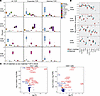 Figure 2
CD4+ and CD8+ T cells in PBMCs and tumor with matching TCRs are predominantly cytotoxic. (A) Box-and-whisker plots showing percentages of cells in each phenotypic population. Proportion of each cell phenotype within all TCRs, expanded TCRs, and blood- and tumor-matched TCRs in CD4+ and CD8+ T cells from blood and tumor. Statistical results of pairwise comparison for each population with the other populations are shown in Supplemental Dataset 6. n = 6 paired tumors and PBMCs. (B) Box-and-whisker plots with whiskers (median and interquartile ranges) showing number of TCR clusters containing each cell phenotype within matched and nonmatched TCRs in the blood. *FDR < 0.05. Linear mixed-model statistics are shown in Supplemental Dataset 7. n = 6 paired tumors and PBMCs. (C) Volcano plots showing DE genes of cells with matched TCRs versus cells with nonmatched TCRs from CD4+ and CD8+ T cells in the blood. Top genes by FDR are shown. Red highlights positive coefficient and blue negative coefficient. DE statistics in Supplemental Dataset 8.
Quantitation using TCR network analysis (Figure 1G) further corroborated that cytotoxic CD4+ (GZMB+ and GZMK+) T cells were significantly overrepresented in clusters of tumor-blood matched TCRs over nonmatched TCRs in blood and tumor (Figure 2B and Supplemental Dataset 7). Significant enrichment in tumor-blood matched TCR clusters was also seen in cytotoxic CD8+ (GZMK+, GZMB+, and MAIT) T cells (Figure 2B). Taken together, these analyses of matched TCRαβ sequences, which are directly clonally related, indicate that cytotoxic CD4+ tumor-infiltrating lymphocytes (TILs) from tumors communicate with the circulation. Circulating cytotoxic CD4+ are the majority of the CD4+ cells in blood that shared specificity with tumors. Hence, the identification and isolation of cytotoxic CD4+ T cells in blood provides a direct window into the specificity of intratumoral CD4+ T cells.
We further examined the function of circulating cells with tumor-matching TCRs, using DE analysis to compare circulating cells with tumor-matching versus nonmatched TCRs (Figure 2C and Supplemental Dataset 8). Genes that were overexpressed (P < 0.01) in CD4+ cells in blood were cytotoxic genes GZMA, GZMH, GZMB, GNLY, PRF, and GZMK; the chemokines C-C motif chemokine ligand 4 and 5 (CCL4 and CCL5); and KLRG1, which is associated with effector T cell phenotypes and also has regulatory capacity for immune cells. Furthermore, KLRG1 may mark circulating cytotoxic CD4+ T cells with tumor-matched TCRs to allow their isolation, which we validate below. Other enriched genes in blood- and tumor-TCR-matched populations included antigen presentation (β-2-microglobulin [B2M] and human leukocyte antigens [HLAs] for both MHC class I and class II). Conversely, TCR-matched circulating CD4+ T cell populations downregulated lymphotoxin β (LTB) and genes associated with the naive phenotype such as C-C motif chemokine receptor 7 (CCR7), L-selectin (SELL), and IL-7 receptor (IL7R), supporting an effector phenotype of these cells. Similar DE genes were observed for tumor-TCR-matched, circulating CD8+ T cells.
Circulating tumor-TCR-matched cytotoxic CD4+ T cells proliferate after PD-1 blockade. TCR network analysis also revealed that cells with a matching TCR clonotype in a cluster that share identical antigen specificity could have different phenotypes (Figure 3A). Since the TCRs within each cluster have exact amino acid matches of paired, genomically rearranged TCRαβ CDR3 sequences, these cells likely did not arise from convergent evolution of different T cell clones, and instead likely originated from a single parent cell. These plots provide examples of related developmental subsets of CD4+ T cells that are linked by coexpression of the same TCRαβ. Also, exact TCR matching of clones in blood and tumor indicates their circulation between compartments. In order to infer fate trajectories of these different phenotypes that were clonally linked by a common TCR barcode, pseudotime analysis by Monocle was carried out specifically on cells with tumor-blood-matched TCRs from GZMB+, GZMK+, CXCL13+, Tregs, Prolif, and MAIT populations (Figure 3B).
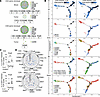 Figure 3
Phenotypic heterogeneity and plasticity of individual TCR clusters. (A) A representative CD4+ T cell network cluster with matching TCR clonotype from blood and tumor, and a separate CD8+ T cell network cluster with a different matching TCR clonotype. Each dot is 1 cell and the color represents a different cellular phenotype. Tables show the number of cells with the indicated phenotype in the cluster. (B) Pseudotime trajectories of GZMB+, GZMK+, CXCL13+, Tregs, Prolif, and MAIT cells with blood- and tumor-matched TCRs in CD4+ and CD8+ T cells from 2 untreated standard-of-care (SOC) patients and 3 patients treated with anti–PD-L1 (atezolizumab, Atezo) on trial. Black circles are branch nodes. Major branches A, B, and C are labeled. (C) Plots showing percentage of Prolif cell phenotype in each TCR cluster from blood- and tumor-TCR-matched clusters in blood before and after anti–PD-L1 treatment. The number (n) of clusters is listed below the plots. *P < 0.05 by nonparametric Mann-Whitney U test. (D) Radar plots of mean percentage of selected cell phenotype in each TCR cluster in matched TCR clusters of pretreatment PBMCs (white circles), post-Atezo-treatment PBMCs (blue circles), and post-Atezo-treatment tumors (red circles) for CD4+ and CD8+ T cells.
To assess baseline developmental trajectories in bladder cancer, and how these are affected by immunotherapy, we performed pseudotime analysis on blood and tumors from the 2 standard-of-care patients with bladder cancer who did not receive any preoperative systemic therapy (Untreated A and B), together with the 3 trial patients treated with atezolizumab (Anti-PD-L1 B–D, who had blood both pre- and posttreatment, and posttreatment tumor; Supplemental Dataset 1), and examined results from these groups separately. The proportion of each cell phenotype in the 3 major pseudotime branches (A, B, and C) was quantitated per sample before and after immunotherapy (Supplemental Dataset 9). Given the limited sample size, this analysis identifies descriptive trends influenced by immunotherapy. Branches A and B contained mostly cells from blood, and branch C contained predominantly cells from tumors (Figure 3B). In blood, before PD-1 blockade, tumor-TCR-matched CD4+ cells were predominantly GZMB+ in pre-atezolizumab blood (average 35%–37% of branches A and B), with a minority of GZMK+ (2.8%–5.2% of branches A and B). After PD-1 blockade, cytotoxic proliferation increased in paired post-atezolizumab blood compared with pre-atezolizumab blood (6.5% vs. 0.8% in branch A, 0.7% vs. 0% in branch B; Figure 3B, left column). Peripheral mobilization of cytotoxic CD4+ T cells by PD-1 blockade is also suggested by the new appearance of GZMB+ cells in post-atezolizumab blood (4.2%, with 0% pre-atezolizumab) in the same branch C that contains most of the intratumoral T cells, suggesting a T cell phenotype transitioning to the tumor. In the tumor, PD-1 blockade led to more GZMB+ and CXCL13+ CD4+ cells, and fewer Tregs, in post-atezolizumab tumors versus untreated standard-of-care tumors (22% vs. 0%, 40% vs. 21%, 12% vs. 50% in branch C; Figure 3B, left column), supporting intratumoral mobilization of cytotoxic CD4+ effectors. Intratumoral GZMK+ cells were abundant but unchanged by immunotherapy treatment for CD4+ (24% in post-atezolizumab tumors vs. 25% in untreated standard-of-care tumors, branch C) and CD8+ (76% vs. 73%). While CD8+ cells from the same samples showed similar proliferation in post-atezolizumab blood versus pre-atezolizumab blood (24% vs. 1.6%; Figure 3B, right column, branch A), the composition of intratumoral CD8+ cell types remained mostly similar comparing post-atezolizumab versus untreated standard-of-care tumors (Figure 3B, right column, branch C). This indicates that any immunotherapy-induced differences seen in cytotoxic CD4+ T cell proportions were specific to these cells, and were not due to sampling variability.
We could also quantitatively assess the functional subtypes within each tumor-matching TCR cluster before and after anti–PD-L1 treatment. The composition of TCR clusters in blood shifted with PD-1 blockade to a higher proportion of proliferating cytotoxic cells, suggesting that these cells may act as progenitors in blood, whose early mobilization with immunotherapy may give rise to other cytotoxic phenotypes (Figure 3C). A similar trend was observed for circulating CD8+ T cells, although it was not significant. Within tumor, blood-matched TCR phenotypes were predominantly not proliferating, but were instead consistently cytotoxic (GZMB+ and GZMK+ for CD4+, also GZMK+ and MAIT for CD8+), and also included noncytotoxic CXCL13+ CD4+ and Tregs as observed above (Figure 3D).
Proliferative cytotoxic CD4+ T cells upregulate PD-1 and Tim-3, and downregulate KLRG1, as a consequence of their activation. Looking more closely at these circulating cytotoxic and proliferating cytotoxic CD4+ phenotypes, we noticed that blood GZMB+ and GZMK+ CD4+ T cells expressed high levels of KLRG1 by scRNA-seq (Figure 4A, data extracted from Supplemental Dataset 3, and also previously noted in Figure 2C), as well as moderate levels of PDCD1 and LAG3 (Figure 4A). Their proliferating CD4+ counterparts upregulated ENTPD1 (CD39) and ITGAE (CD103) (Figure 4A), like proliferating CD8+ T cells (Supplemental Figure 4A), and hence this mobilized population is enriched for putative tumor antigen specificity (25–27). This motivated further study of the proliferating cytotoxic CD4+ population and its regulation, as notably, these proliferating cells actually downregulated KLRG1 expression while further upregulating PDCD1, LAG3, and HAVCR2 (Tim-3) (Figure 4A for CD4+, Supplemental Figure 4A for CD8+). While upregulation of these immune checkpoints might be regulatory, it could result from exhaustion or activation.
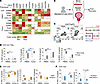 Figure 4
Expression of proliferative and inhibitory markers on cytotoxic versus noncytotoxic cell types in PBMCs and bladder tumors. (A) Normalized log(fold change) from scRNA-seq analysis for selected phenotypes and genes. (B) Flow cytometry was carried out on 8 PBMC samples and 6 tumors from standard-of-care (SOC) patients with bladder cancer. (C) Representative flow cytometry plots showing CD4+FoxP3– T cells expressing GZMB and GZMK, and total cytotoxic subtypes (Cyto) and noncytotoxic subtypes (Non-cyto) subtypes are gated as shown. (D) Box-and-whisker plots showing percentage Ki67+, PD-1+, Tim-3+, and KLRG1+ of Cyto and Non-Cyto from CD4+FoxP3– T cells. (E) Box-and-whisker plots showing percentage PD-1+, Tim-3+, and KLRG1+ of Ki67+ and Ki67–cytotoxic cells. (F) Box-and-whisker plots showing percentage PD-1+ and Tim-3+ of KLRG1+ and KLRG1– cytotoxic cells. Comparison of paired cell subsets within PBMCs or tumors was performed using Friedman’s test with Dunn’s multiple-comparison test. Comparison of nonpaired cell subsets between PBMCs and tumors was performed using Kruskal-Wallis test with Dunn’s multiple-comparison test. *P < 0.05; **P < 0.01; ***P < 0.001. Asterisks in black, red, or blue indicate significant differences between subsets within PBMCs, within tumors, and between PBMCs and tumors, respectively. Corresponding plots for CD8+ cells are shown in Supplemental Figure 4.
To validate and investigate the relationship between these surface immune checkpoints at baseline in untreated standard-of-care patients with cancer, we performed flow cytometry on blood from 8 patients with localized bladder cancer, 3 of whom had matched tumors and 3 additional nonmatched tumors (Figure 4B). These patients were completely distinct from those used for scRNA-seq, allowing us to validate the surface phenotype of cytotoxic CD4+ T cells. For initial analysis, while we gated cytotoxic populations separately based on distinct expression of GZMB and/or GZMK, we pooled all granzyme+ cells as a larger cytotoxic population and compared them to their granzyme– noncytotoxic counterparts (Figure 4C, gating strategy in Supplemental Figure 3). In the periphery, the cytotoxic CD4+ fraction demonstrated significantly more Ki67 protein expression, as well as the checkpoints PD-1, Tim-3, and KLRG1, compared with noncytotoxic cells (Figure 4D). The high frequency of KLRG1 expression is noteworthy, as it was found in approximately 80% of cytotoxic CD4+ T cells, identifying this as a surface marker allowing isolation of this population and its enriched repertoire of tumor-shared clones. These patterns of proliferation and checkpoint expression are consistent with scRNA-seq and indicate that circulating cytotoxic CD4+ T cells are uniquely enriched for proliferative capacity and immune checkpoint expression compared with their noncytotoxic counterparts. This is in contrast to tumor, where a much higher proportion of both cytotoxic and noncytotoxic CD4+ T cells globally expressed PD-1 and Tim-3 (which may be related to exhaustion), but lower levels of KLRG1, suggesting distinct mechanisms of regulation from blood. These observations were similarly found for CD8+ T cells (Supplemental Figure 4, B–D).
Closer examination reveals divergent relationships between proliferation and expression of either conventional immune checkpoints or KLRG1 in cytotoxic CD4+ T cells. Specifically, when we divide cytotoxic CD4+ T cells into proliferating and nonproliferating groups, in blood the proliferating Ki67+ cytotoxic CD4+ T cells trended toward higher PD-1, and had significantly higher Tim-3 expression (Figure 4E). Conversely, proliferating cytotoxic CD4+ T cells significantly downregulated KLRG1 (Figure 4E), indicating a distinct pattern of expression in mobilized cells and suggesting that KLRG1’s regulatory role for cytotoxic CD4+ T cells is distinct from PD-1 and Tim-3. In particular, the fact that the vast majority of total circulating cytotoxic CD4+ T cells expressed KLRG1 (Figure 4D) indicates that their basal nonactivated state is linked to high KLRG1, while their activation and proliferation are accompanied by concomitant downregulation of KLRG1 and upregulation of Tim-3 (Figure 4F). These distinct patterns of regulation by KLRG1 compared with immune checkpoints were also seen in cytotoxic CD8+ T cells (Supplemental Figure 4, E and F).
Circulating GZMB+ CD4+ T cells are naive-like or effectors, while GZMK+ CD4+ T cells adopt a memory phenotype. Although the proliferative tumor-matching cytotoxic CD4+ T cells in blood are of interest for their putative tumor recognition, how they map onto specific GZMB- or GZMK-expressing subsets, and more generally the ontological relationship between distinct granzyme-expressing populations, has not been explored. We first examined this in the distinct standard-of-care patients with bladder cancer not treated with immunotherapy as above, to understand basal relationships. In addition to separating cytotoxic subtypes by expression of GZMB alone (GB+GK–), GZMK alone (GB–GK+), or GZMB and GZMK together (GB+GK+), we also subdivided total cytotoxic cells into Naive, CM, Effector Memory (EM), and Effector (E) defined by CCR7 and CD45RA protein expression (Figure 5A). Of note, as GZMB and GZMK are effector molecules, their expression in cells classified as “Naive” indicates these are actually “Naive-like.” Total cytotoxic CD4+ T cells were predominantly EM and E in phenotype in both blood and tumor (Figure 5B). Although KLRG1 was also largely expressed by EM and E cytotoxic CD4+ T cells, consistent with its typical expression pattern (28), KLRG1+ cytotoxic CD4+ T cells did not demonstrate a difference in effector or memory frequency compared to KLRG1– cells (Figure 5C). Looking at developmental status by granzymes, a key difference was that GZMB-expressing cells (GB+GK+ or GB+GK–) contained more “Naive-like” and E phenotypes, while the solely GZMK-expressing cells (GB–GK+) were almost entirely EM, with a significantly higher EM proportion compared with noncytotoxic cells. These differences were observed only in blood and not in tumor (Figure 5D). This distinction in GZMB- versus GZMK-associated phenotypes was substantiated by significantly higher perforin protein expression in GZMB-expressing subsets, and higher KLRG1 expression at least in the GB+GK+ subset in blood, consistent with an effector phenotype (Figure 5E). These findings support a dichotomy in development of cytotoxic CD4+ subsets in blood occurring in the untreated steady state: GZMB-expressing cells are the more cytolytically active effector cells and have higher expression of the regulatory receptor KLRG1, which may check their activity in blood. As a consequence, these GZMB+ cells were not proliferating in the periphery without treatment. On the other hand, cytotoxic CD4+ cells that solely expressed GZMK did not coexpress perforin and were less cytolytic, and may represent a memory phenotype that may be less regulated by KLRG1. Similar patterns of perforin expression were seen also for cytotoxic CD8+ T cells in untreated patients, except their GZMB-only expressing cells were less regulated by KLRG1 in tumor (Supplemental Figure 4, G and H).
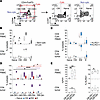 Figure 5
Developmental stages of different cytotoxic cell types in PBMCs and bladder tumors. (A) Flow cytometry was carried out on 8 PBMC samples and 6 tumors from standard-of-care patients with bladder cancer. Representative flow cytometry plots showing CD4+FoxP3– T cells expressing GZMB and GZMK, and Cyto and Non-Cyto cells were further gated into Naive, CM, EM, and E based on expression of CCR7 and CD45RA. All graphs in this figure are box-and-whisker plots for CD4+ T cells from PBMCs and tumors showing (B) proportion of developmental subsets in Cyto and Non-cyto cells; (C) proportion of developmental subsets in KLRG1– and KLRG1+ cytotoxic cells; (D) proportion of developmental subsets in each cytotoxic subtype (red, purple, and black lines indicate significant pairwise comparison of proportion of E, EM, or Naive subsets, respectively, between cytotoxic subtypes); and (E) percentage perforin+ (Prf1+) and KLRG1+ of each cytotoxic subtype. Comparison of paired cell subsets was performed using Friedman’s test with Dunn’s multiple-comparison test. *P < 0.05; **P < 0.01; ****P < 0.0001. Corresponding plots for CD8+ cells are shown in Supplemental Figure 4.
PD-1 blockade induced proliferation of GZMB-expressing circulating cytotoxic CD4+ T cells. To examine immunotherapy-induced changes in proliferative cytotoxic CD4+ T cells, and how this relates to regulatory KLRG1 expression, we first examined them in our prior network single-cell analysis from the 3 trial patients with paired tumor and longitudinal blood (both before and after immunotherapy). As KLRG1 downregulation accompanied increased proliferation in the steady state in standard-of-care patients with bladder cancer (Figure 4E), we looked at how PD-1 blockade affected coregulation of KLRG1 and proliferative capacity in clonally related cells. Within each matched TCR cluster (i.e., single cells with the same TCRαβ), we quantitated the proportion of cells containing KLRG1 and MKI67 transcripts before and after anti–PD-L1 treatment, within a population where we could track clonal relationships between progenitor and progeny cells. Per TCR cluster, the proportion of nonproliferative cells that were KLRG1+ but MKI67– significantly decreased with immunotherapy treatment (across multiple granzyme-expressing subtypes), while proliferative cells that were either KLRG1– MKI67+ or KLRG1+ MKI67+ increased after treatment (Figure 6, A and B). The proportion of cells that were negative for KLRG1 and MKI67 transcripts was also higher after treatment for GZMB+ and Prolif cells. This could be due to downregulation of KLRG1 without proliferation, or a proliferative phenotype where we cannot detect MKI67. Hence, PD-1 blockade enhanced concomitant KLRG1 downregulation and enhanced proliferation from GZMB- and GZMK-expressing cytotoxic CD4+ and CD8+ T cells.
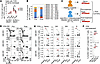 Figure 6
Anti–PD-L1 treatment increased Ki67 and decreased KLRG1 expression on cytotoxic T cells in the blood. (A) Percentage of cells expressing either Mki67 or Klrg1 transcript in each TCR cluster from pre- and post-atezolizumab patient PBMCs. Each line represents a different TCR cluster. Friedman’s test with Dunn’s multiple-comparison test was carried out pre- and post-treatment timepoints for CD4+ (red) and CD8+ (black) TCR clusters (TCR clusters = 13). (B) Stacked bar plot showing mean percentage of cells expressing Mki67 and/or Klrg1 (KL) transcripts before and after anti–PD-L1 treatment, as shown per TCR cluster (TCR clusters = 13). (C) Flow cytometry was carried out on PBMCs from 8 healthy individuals and 14 pre- and post-atezolizumab-treated patients with bladder cancer. (D) Representative flow cytometry of pre- and posttreatment CD4+ EM cytotoxic T cells showing Ki67 and KLRG1 expression. (E) Percentage KLRG1–Ki67+ among total CD4+ T cells in cytotoxic subtypes with Naive-like, CM, EM, and E phenotypes. (F) Comparisons of pretreatment percentage of KLRG1–Ki67+ among total CD4+ T cells between cytotoxic subsets. Mann-Whitney U test was used to compare healthy and pretreatment samples; Wilcoxon’s matched-pairs signed-rank t test was used to compare pre- and posttreatment samples. *P < 0.05; **P < 0.01; ***P < 0.001. Corresponding plots for CD8+ cells are in Supplemental Figure 6.
We next performed flow cytometry on paired pre- and posttreatment PBMCs from 14 patients with localized bladder cancer treated with neoadjuvant anti–PD-L1 before cystectomy on trial NCT02451423 to validate cytotoxic CD4+ T cells and their developmental and functional transitions with immunotherapy at the protein level. While 4 of these trial patients had overlapping tumor, and 4 patients had overlapping blood, with our scRNA-seq dataset, the other 10 trial patients were completely distinct from the scRNA-seq (Figure 6C, gating strategy in Supplemental Figure 5). As our prior analysis for standard-of-care patients, we similarly divided cytotoxic subtypes into developmental stages by CCR7 and CD45RA. PD-1 blockade increased the frequency of proliferative, KLRG1–Ki67+CD4+ T cells in blood that expressed GZMB (i.e., GB+GK+ and GB+GK–subsets) out of total CD4+ T cells. This was seen across Naive-like, CM, and EM populations (Figure 6, D and E). In contrast, solely GZMK-expressing CD4+ T cells that lacked GZMB were more proliferative before treatment compared with healthy controls (Figure 6D), particularly in Naive and E populations (Figure 6E), but this was not significantly increased by PD-1 blockade (Figure 6, D and E). The baseline proliferative capacity of GZMK+CD4+ T cells was also significantly higher than other, GZMB-expressing subtypes (Figure 6F). Together, these results suggest that across developmental stages, GZMB-expressing cytotoxic CD4+ T cells do not proliferate at baseline but are newly mobilized by PD-1 blockade. In contrast, basal proliferation of GZMK+CD4+ T cells in the periphery before treatment in patients with cancer suggests chronic activation stemming from the presence of tumor. As GZMB+ and GZMK+ states were directly interrelated by their expression of matching TCRs for common antigens, GZMB+CD4+ T cells may represent newly activated cells, which later give rise to the chronically activated GZMK+ population. Their CD8+ counterparts showed similar mobilization after PD-1 blockade of KLRG1–Ki67+ proliferating GZMB-expressing cells across CM, EM, and E status (Supplemental Figure 6, A–C); however, a key difference from cytotoxic CD4+ is the behavior of GZMK+CD8+ T cells, which do not demonstrate baseline proliferation over healthy controls or the GZMB-expressing CD8+ subsets.
Cytotoxicity of circulating KLRG1+CD4+ T cells is restricted by E-cadherin. E-cadherin is a known ligand of KLRG1 that gates KLRG1’s inhibitory activity across T cell subtypes (29). However, although we found enrichment of KLRG1 on circulating tumor-TCR-matching cytotoxic CD4+ T cells, the functional relevance of this ligand-receptor interaction for tumor recognition and killing in this subset has not been studied. We hypothesized that the activity of cytotoxic CD4+ T cells is gated by engagement of KLRG1 by E-cadherin on tumor cells via direct interaction. This is based on several findings. In both untreated and immunotherapy-treated patients with bladder cancer, proliferation of circulating cytotoxic CD4+ T cells was accompanied by downregulation of KLRG1. Furthermore, although we demonstrated that PD-1 blockade alone can cause proliferation in a limited subset of GZMB-expressing cytotoxic CD4+ T cells, there were still significant posttreatment levels of nonproliferative GB+GK+ and GB+GK– cells that expressed KLRG1 in validation trial patients largely distinct from our scRNA-seq data (Figure 7A). This is also the case for cytotoxic CD8+ T cells (Supplemental Figure 7A). This latter observation suggests that adding KLRG1 blockade to PD-1 blockade can further mobilize additional tumor-TCR-matching cytotoxic CD4+ T cells in the periphery to kill.
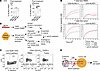 Figure 7
Expression and function of KLRG1 in cytotoxic CD4+ T cells. (A) Box-and-whisker plot showing percentage of KLRG1+Ki67– T cells among 14 post-atezolizumab-treatment EM and E cytotoxic subsets in PBMCs. Friedman’s test with Dunn’s multiple-comparison test was carried out. *P < 0.05; **P < 0.01; ****P < 0.0001. (B) Strategy for sorting and autologous tumor killing assay. (C) Flow cytometry of E-cadherin staining of live CD45–CD3– cells in a portion of tumors used in the killing assay, and KLRG1+ and KLRG1– gates of CD4+(CD127loCD25+)– cells from PBMCs and tumors sorted for T cell expansion. (D) Apoptotic tumor cell death plotted as the relative change in annexin V+ cell count from time zero, with background T cell death subtracted at each time point. Results for tumor 1 are shown (results for tumors 2 and 3 in Supplemental Figure 7). (E) Model of inhibition of cytotoxic T cells by binding of KLRG1 on T cells to E-cadherin on tumor cells. Inhibition of cytotoxic cells by KLRG1 is alleviated by blocking with an anti–E-cadherin antibody.
To test this, we expanded KLRG1+ and KLRG1– T cells from PBMCs and tumors of the same patient, coincubated with autologous tumor cells, and measured tumor cell killing (Figure 7B). Primary tumors in these experiments expressed E-cadherin protein, and the circulating and intratumoral non-Treg CD4+ cells expressed KLRG1 (Figure 7C). It is not possible to sort prospectively for granzyme-expressing cells prior to live-cell killing, as granzyme staining is intracellular and would require cell permeabilization. However, flow cytometry on the culture-expanded patient CD4+ T cells used in our killing assay found nearly 100% of the KLRG1+CD4+ T cells expressing GZMB and/or GZMK (Supplemental Figure 7B). For the first tumor, neither KLRG1– nor KLRG1+ CD4+ T cells from PBMCs increased tumor cell death when coincubated without treatment. However, adding anti–E-cadherin increased tumor cell death, which was specifically seen with KLRG1+ cells but not KLRG1–cells (Figure 7D, top). KLRG1 played a similar role for cytotoxic CD4+ T cells from tumors. While KLRG1–CD4+ T cells have some spontaneous killing activity due to the presence of tumor-specific T cells that are not inhibited by KLRG1, E-cadherin blockade did not enhance their killing. Blocking E-cadherin did instead enhance tumoricidal activity of KLRG1+ intratumoral CD4+ T cells (Figure 7D, bottom). Similar findings were obtained in 2 additional tumors. In a separate patient, we confirmed enhancement of tumor killing by circulating and intratumoral CD4+ T cells by E-cadherin blockade that is specific for KLRG1, and also MHC class II in agreement with our prior findings (7), and was not impacted by isotype control antibodies (Supplemental Figure 7C). We also confirmed that the observed death from CD4+ T cell coculture was from tumors (using directly labeled tumor target cells) and not T cells, and that E-cadherin blockade can also enhance CD8+ T cell tumor killing in a KLRG1-dependent manner despite some spontaneous killing activity (Supplemental Figure 7D). Thus, functional studies across 3 unique patients, distinct from scRNA-seq or flow cytometry cohorts, validate that KLRG1–E-cadherin interactions can inhibit MHC class II–dependent autologous tumor killing by cytotoxic CD4+ T cells (Figure 7E), in a mechanism that is distinct from and complements PD-1 blockade. Additionally, we have also obtained single-cell TCRαβ sequences from expanded KLRG1+ and KLRG1– CD4+ T cells from PBMCs, and matched total CD4+ T cells from tumor, of 2 patients. This showed that KLRG1+ sorted cells have a higher proportion of tumor-matching TCRs compared with KLRG1– sorted cells (Supplemental Dataset 10).


